Last updated November 21, 2026
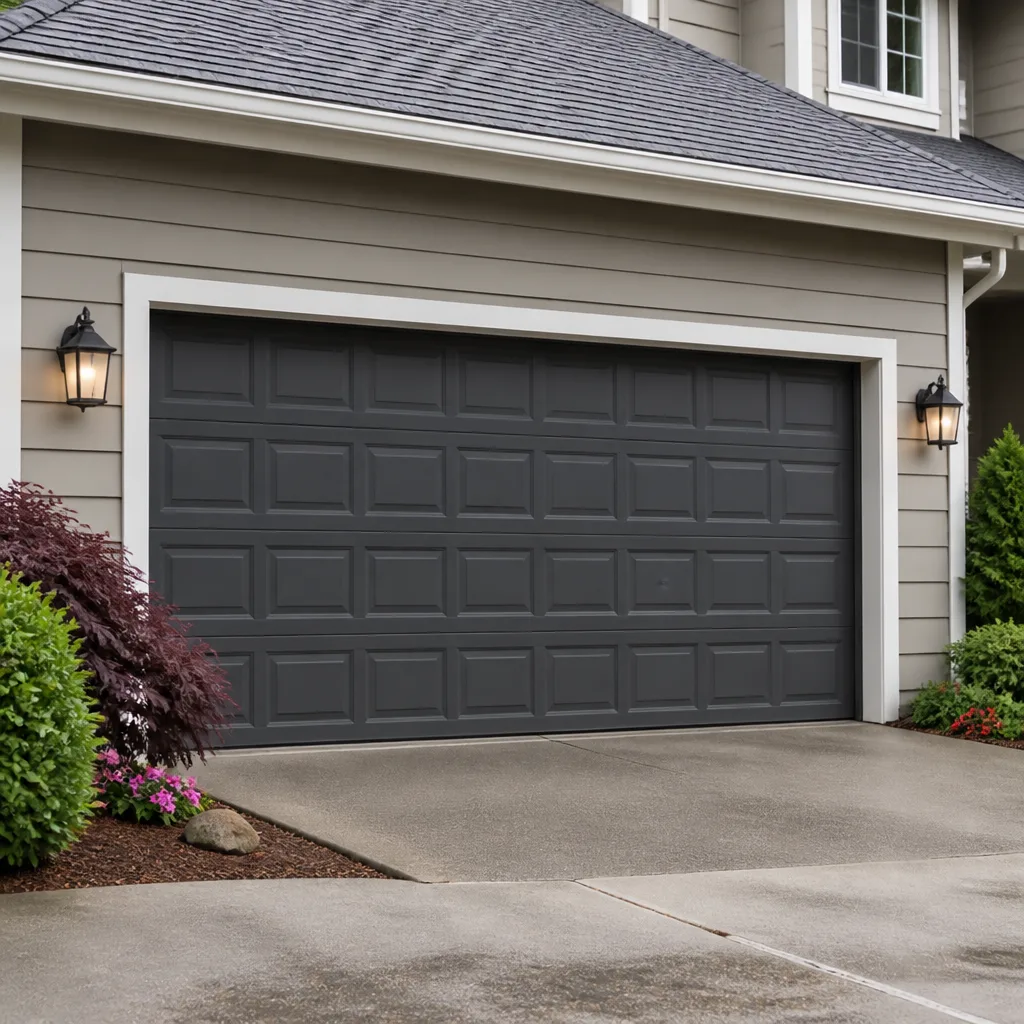 Raised-panel steel
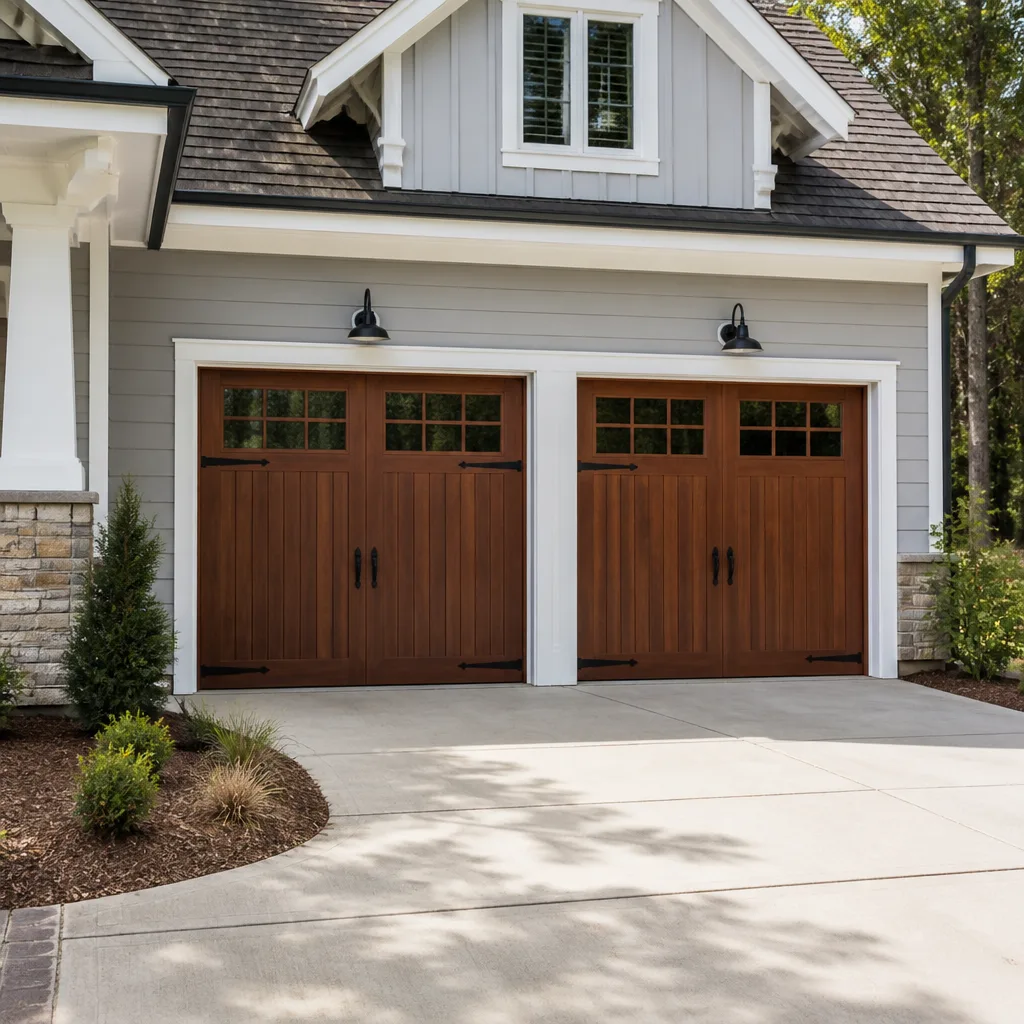 Carriage house
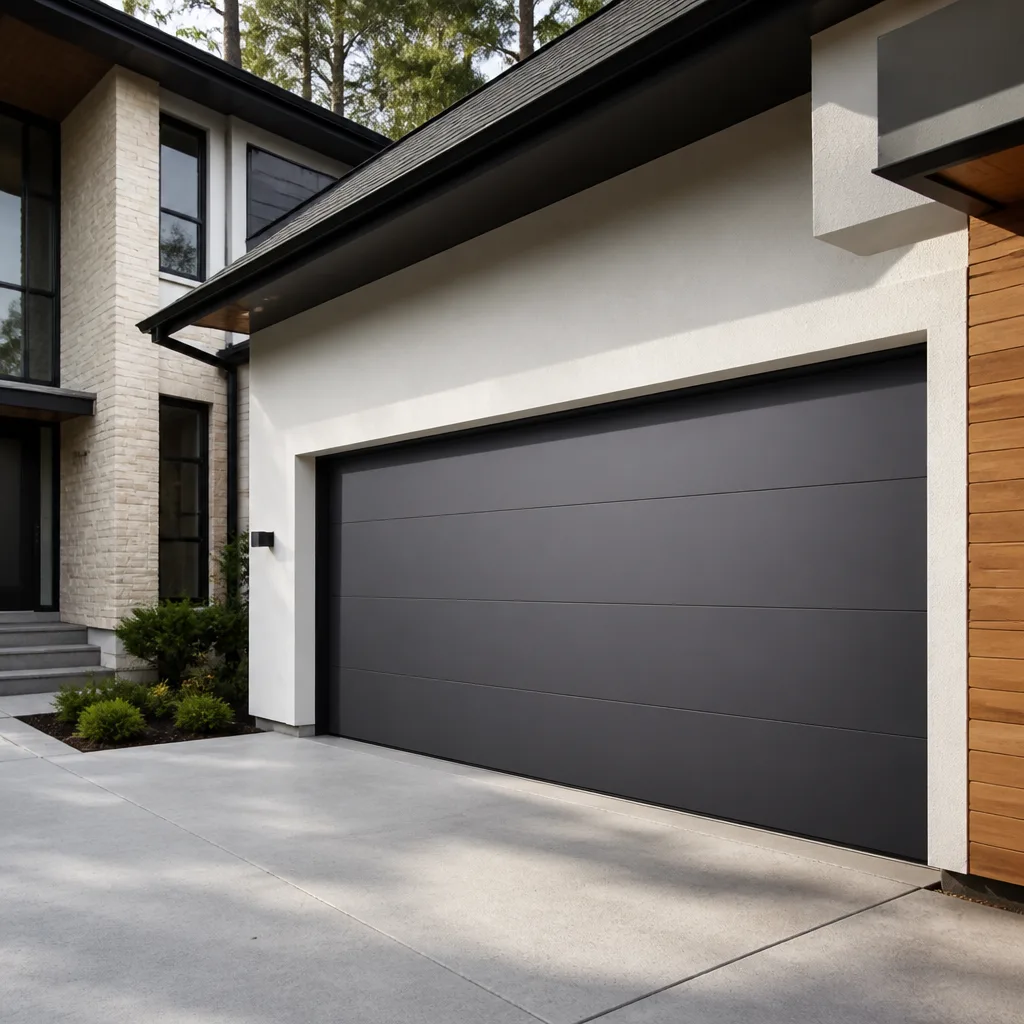 Modern flush
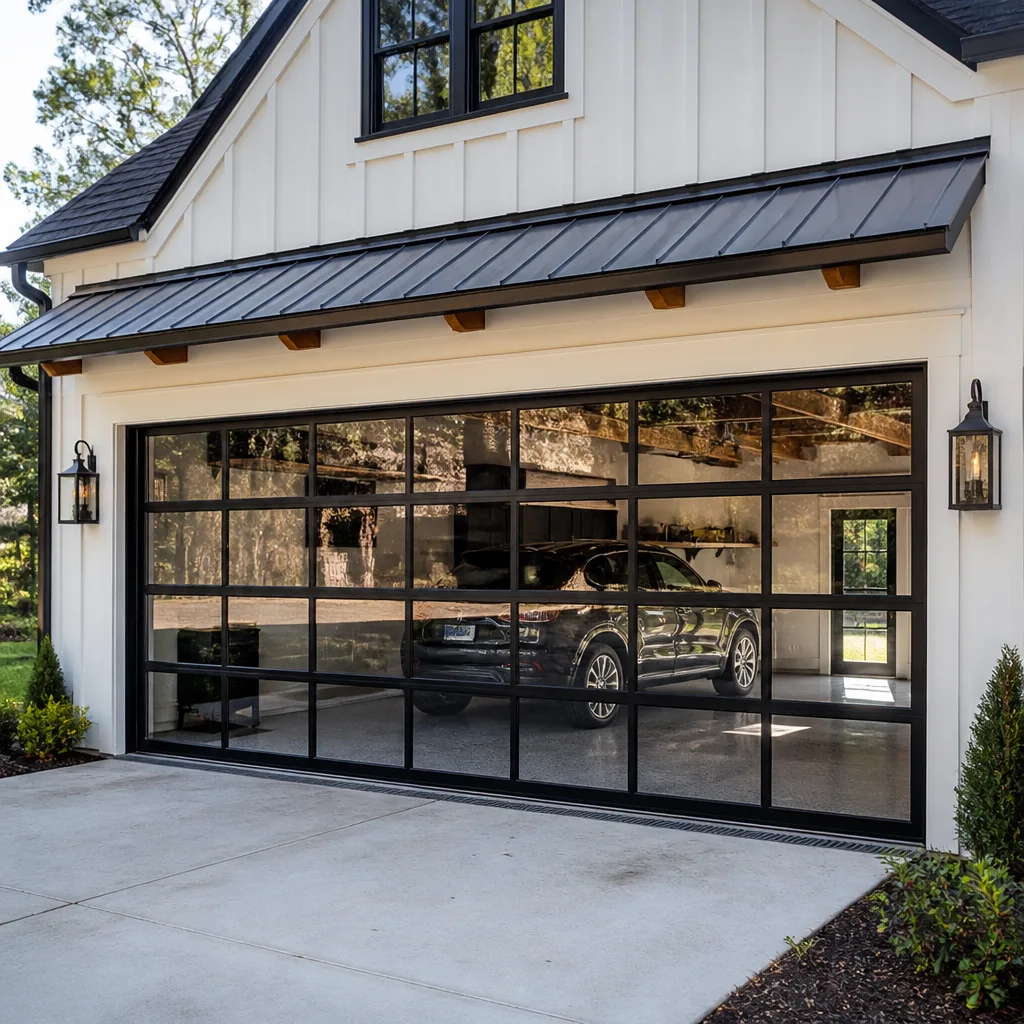 Full-view glass
 LiftMaster openers
 Chamberlain openers
Full 25-point door and opener safety check with every visit - springs, cables, rollers, tracks, and your LiftMaster or Chamberlain opener included
You get a price before we start. It does not change when the pro arrives.
Get your free estimateGarage Door Permits, Codes & Inspections in Spring, TX: What You Need to Know
Here’s the assumption that trips up a lot of homeowners in Spring: garage door work is maintenance, and maintenance never needs a permit. That holds true for a snapped torsion spring, a dead opener, or a bent roller. It stops holding the moment you replace the whole door, cut into a header, or touch the fire-rated wall between an attached garage and the rooms you sleep in. Pull the wrong job without a permit and the paperwork trail can follow the house, not the pro who did the work. This guide draws the line clearly: when Spring, TX garage door work stays maintenance, when it becomes permitted construction, how HOAs layer on top, and what an inspector actually looks at. You’ll finish knowing exactly which questions to ask before anyone picks up a tool.
Quick Answer
In Spring, TX, replacing a broken spring, swapping an opener, or changing rollers and panels on the same door is routine maintenance and doesn’t require a permit. A full door replacement, a structural header alteration, or any change to the fire-rated wall separating an attached garage from living space crosses into permitted construction, and the requirements come from Harris County, the surrounding municipal authority, and often your subdivision’s deed restrictions as well. Homeowners should confirm the rules with the city or county building department and their HOA before work starts, because the responsibility for an unpermitted job lands on the property owner.
Styles & brands we work with
- Raised-panel steel
- Carriage house
- Modern flush
- Full-view glass
- LiftMaster openers
- Chamberlain openers
Table of Contents
- Where Maintenance Ends and Permitted Construction Begins in Spring
- The Harris County Precinct 4 and City of Spring Threshold
- TWIA and Wind-Load Requirements for Garage Doors in Spring
- Fire-Rated Walls and the Attached Garage Code
- HOA Deed Restrictions: Gleannloch Farms, Harmony, Breckenridge Forest
- What a Permit Inspection Actually Checks
- How Spring’s Climate and Housing Shape the Permit Question
- Common Mistakes to Avoid
Where Maintenance Ends and Permitted Construction Begins in Spring
Most garage door work in Spring is repair, and repair doesn’t involve the building department. Replacing a torsion or extension spring, changing a cable, adjusting an opener’s travel limits, swapping safety sensors, or replacing a single damaged section on the same track footprint all fall on the maintenance side. Nobody expects you to file paperwork for a Genie opener that lost its programming.
The line moves when you change the building, not just the hardware. The clearest test is whether the work touches structure, the door opening’s dimensions, or a rated assembly. Here’s the practical split we walk homeowners through:
- Maintenance: spring replacement, cables, rollers, hinges, opener repair or opener replacement, sensor work, panel or section replacement on the existing door.
- Permitted construction: replacing the entire door and its track system, widening or heightening the opening, altering or replacing the header above the door, changing how the door anchors to the structure, and any modification to the fire-rated wall between an attached garage and the house.
A like-for-like full door swap sits in a gray zone that depends on your jurisdiction. Some authorities treat a same-size replacement as a minor permit, others as a straight swap. That’s exactly the call to make with your building department before you sign an installation contract, not after. When in doubt, ask. A short phone call beats a surprise during a home sale inspection.
The Harris County Precinct 4 and City of Spring Threshold
Spring isn’t one permitting authority. It’s a patchwork of unincorporated Harris County, areas within reach of Houston’s extraterritorial jurisdiction, and subdivisions whose rules come from a mix of county codes and deed restrictions. Harris County Precinct 4 covers a wide swath of the Spring area, and what applies to your address depends on exactly where that address sits. This is why a neighbor two streets over may have a different answer than you do.
The threshold most homeowners run into looks like this:
- Repair with no dimensional or structural change: no permit. This is the majority of jobs.
- Full door replacement, same opening: possibly a permit, and you should confirm with the authority having jurisdiction for your specific address.
- Any change to the header, opening size, or structural anchoring: permit required, often with a drawn scope.
- Any change to a fire-rated separation: permit required, and the assembly has to be restored or improved to its rating.
We don’t issue permits and neither does any reputable door contractor. What a specialist does is describe the work precisely enough that your permit application matches reality. If a contractor can’t put the scope into writing that a plan reviewer can read, that’s a warning sign. Ask for the written scope first, then take it to the building department. That’s the order that saves you the back-and-forth.
TWIA and Wind-Load Requirements for Garage Doors in Spring
Garage doors are the largest opening on most homes, and in a wind event they’re the most vulnerable. That’s why some Spring addresses carry wind-related requirements that go beyond the general building code. The Texas Windstorm Insurance Association (TWIA) sets the standards for its coverage in designated areas, and whether a particular Spring zip code falls under TWIA’s wind-borne debris region is a question for your insurance agent and the building department. It’s not something to assume either way.
If your property does fall under those requirements, the garage door you install has to be rated and labeled for the design pressure at that location. A door that isn’t rated to spec can affect a claim later, and the paperwork you want is the manufacturer’s rating label and the installation documentation showing the door, tracks, and anchoring were installed to that rated configuration. This is where brand familiarity earns its keep. A Clopay or Amarr door spec’d for a wind-rated application comes with the documentation you’d need if anyone asks.
Verify three things before installation:
- The door’s design pressure rating matches what the authority having jurisdiction requires for your address.
- The installer documents the anchoring and hardware as installed, not just the door model.
- You keep a copy of the rating label and installation paperwork with your home records.
An unrated door installed in a rated zone is a claim problem waiting to happen, and the homeowner carries that exposure, not the installer who’s already gone.
Fire-Rated Walls and the Attached Garage Code
The wall between an attached garage and the living space is a fire separation, and it’s treated seriously for good reason. The International Residential Code, as adopted in this part of Texas, requires that separation to resist fire long enough for people to get out. In practical terms, that means the wall, the door into the house, and the garage door itself all play a role in how the assembly performs.
Here’s where door work gets interesting. If you replace a garage door or modify the wall between the garage and the house, and any part of that rated assembly gets disturbed, it has to be put back correctly. An inspector will look at whether the separation is intact, whether the drywall (or whatever the rated assembly uses) is continuous, and whether penetrations were sealed. This is a common surprise for homeowners, who assumed the garage door was just exterior hardware. It’s part of a system.
The rule of thumb: touch nothing on that separation without a permit and a plan for restoring the rating. If you’re replacing the person-door between the garage and the house in addition to the garage door, that’s two separate rated components and both need to be handled. Ask us about this before the work starts and we’ll flag it; we handle the door, and we can point you toward what your inspector will care about. The door is what we do, and the fire separation is part of the door’s story.
HOA Deed Restrictions: Gleannloch Farms, Harmony, Breckenridge Forest
A building permit doesn’t override your deed restrictions, and they run on parallel tracks. Spring’s major subdivisions have architectural review committees, and the committee’s rules often go further than county code. Gleannloch Farms, Harmony, and Breckenridge Forest each have their own architectural review processes, and most require approval before a new door goes in, whatever the county says.
The usual HOA ask includes:
- Door style and color: often a specific palette or a matching requirement with the existing door, and sometimes an approval for the exact model.
- Window and panel configuration: some communities restrict or approve certain designs.
- Submission timing: the committee meets on its own schedule, and you can’t assume approval lands in a day.
- Post-installation confirmation: some HOA processes include a final visual check.
Sequence matters here. Get the HOA architectural approval first, in writing, then the permit if one is required, then order the door. A door you can’t install is an expensive delay. A Clopay or Amarr door that meets both the insurance rating and the HOA’s style rules is the goal, and that conversation with the HOA is worth having before you fall in love with a specific model. Ask your HOA for its current architectural guideline document rather than relying on what a neighbor remembers.
What a Permit Inspection Actually Checks
A garage door permit inspection isn’t a quick look at whether the door opens and closes. It’s a check on the assembly as a system: the door, the opener, the hardware, and how it all anchors to the structure. This is where an expert-read inspection differs from a look-over.
- Anchoring and header hardware: the torsion system’s anchoring to the structural beam, the track brackets, and the jamb attachment all get checked against how they’re rated.
- Opener UL rating: the opener should carry a UL listing appropriate to its application, and the inspector will look at whether it’s been installed to its listed configuration.
- Safety features: safety reversal (the opener’s ability to reverse when it meets an object) and the photo eye system get tested. A Genie or Chamberlain opener’s setup has to be verified, not assumed.
- Fire separation intactness: if the wall between the garage and living space was part of the scope, the separation is checked.
- Door rating documentation: the design pressure rating label from a Clopay or Amarr door and the installation paperwork.
- Structural integrity: the door opens and closes through its full travel without binding, and the balance is correct.
The home inspector during a sale will often check the two safety features first (reversal and photo eyes) because those are the failures that produce safety concerns. Getting a permit inspection done to these standards means the door is safer at the end of the process than it was at the start. That’s not the same as a simple swap, and a good inspector catches what a quick install misses.
How Spring’s Climate and Housing Shape the Permit Question
Spring’s climate is mild and the winters don’t put much stress on the building envelope, so the garage door’s enemies here tend to be heat and moisture rather than deep cold. What that means for permits is subtle: the door spec you choose has to fit the climate and the wind exposure, and the anchoring has to withstand the seasonal storms that do sweep through. It’s not a snow-load problem here. It’s a wind and water problem.
Housing stock in Spring is a mix of newer subdivisions and older homes, and that mix complicates the permit question. A door replacement on an older home may reveal a header that doesn’t quite match the original opening, which turns a simple swap into a structural question. Newer builds often have rated assemblies that are documented, which makes the paperwork easier. Either way, the inspector wants the scope and the actual conditions to match. This is the practical reason we ask a lot of questions before installation: what’s actually behind the trim matters more than what the old door looked like.
We handle garage door installation in this climate daily, and the climate-specific piece is usually the door rating and anchoring, not the door style. Getting the rating right for your address is what lets the paper trail support a claim later. The style choices happen after that.
How Does a Permit Inspection Fit With a Repair or Replacement?
A common confusion: a permit inspection is not the same as a service call. If you need a repair (a snapped spring, an opener that stopped reversing), you don’t call the building department. You call us, and our experienced technicians handle it. Our technicians have up to 10 years of experience, and spring work is the core of what we do. Spring Garage Door Repair Pros is the team you call when the mechanism fails, and we know the brands: LiftMaster, Chamberlain, Genie, Clopay, Amarr, Wayne Dalton, Craftsman, and Raynor.
When the job is a replacement or a structural change, the permit and inspection process runs alongside the installation. The door installation itself is a scheduled, measured job: the opening is measured, the door is ordered, then it’s installed, and the inspection happens on the authority’s timeline afterward. That’s a different workflow than a same-day repair, and it’s important to plan for it.
For the repair-and-inspection overlap, the one piece of advice we give every Spring homeowner: keep the paperwork. Permit, inspection records, door rating label, installation documentation. When you sell, a buyer’s inspector will ask for it and a records packet makes that easy. For repair specifics, our garage door repair page covers what a typical repair involves. And if it’s the opener that’s failed, garage door opener repair lays out the diagnostic path.
See the difference
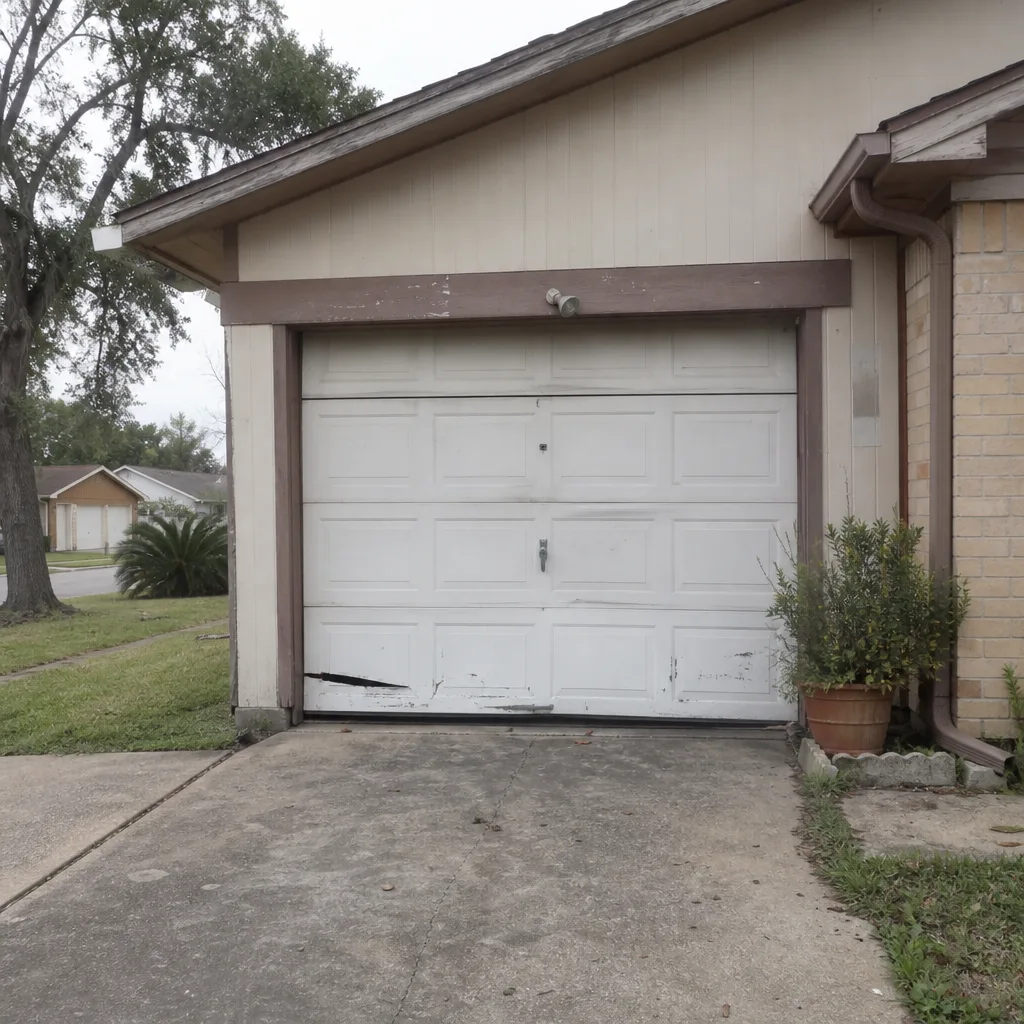 Before
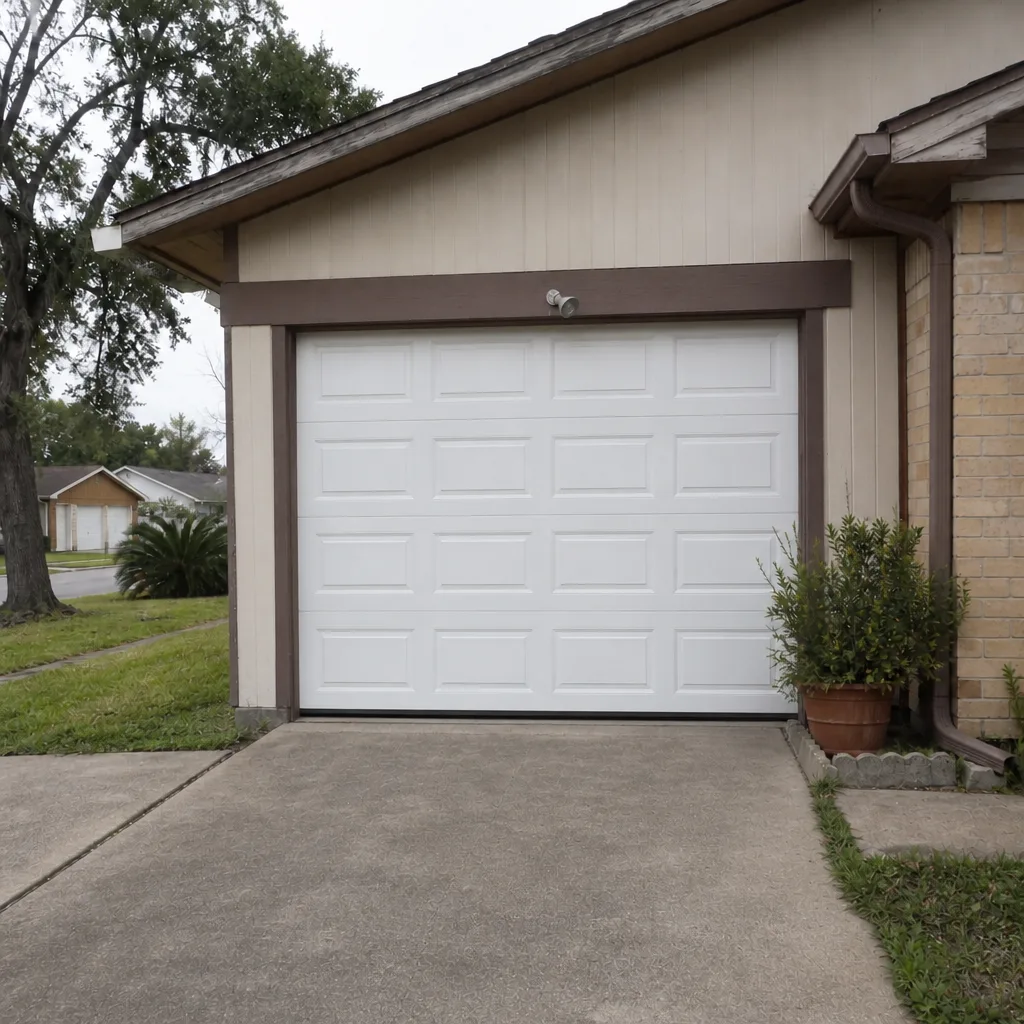 After
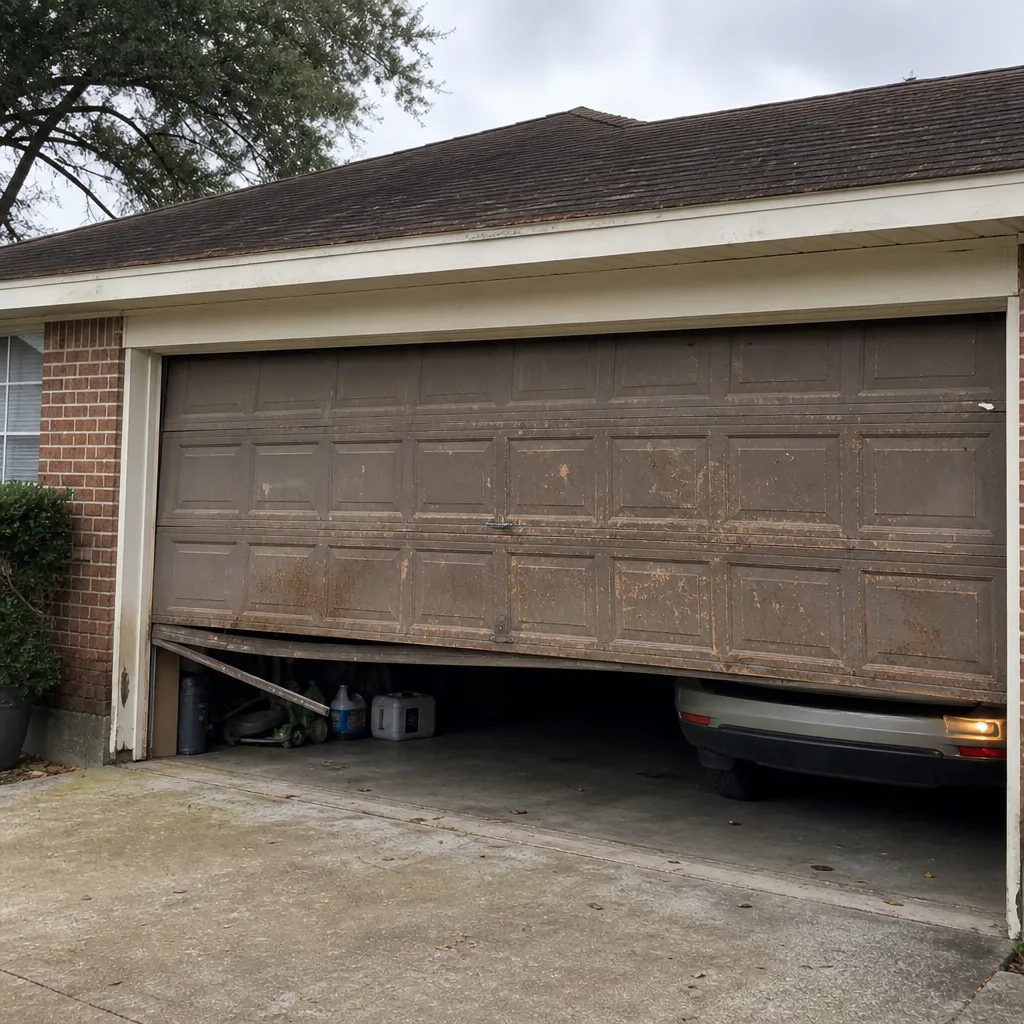 Before
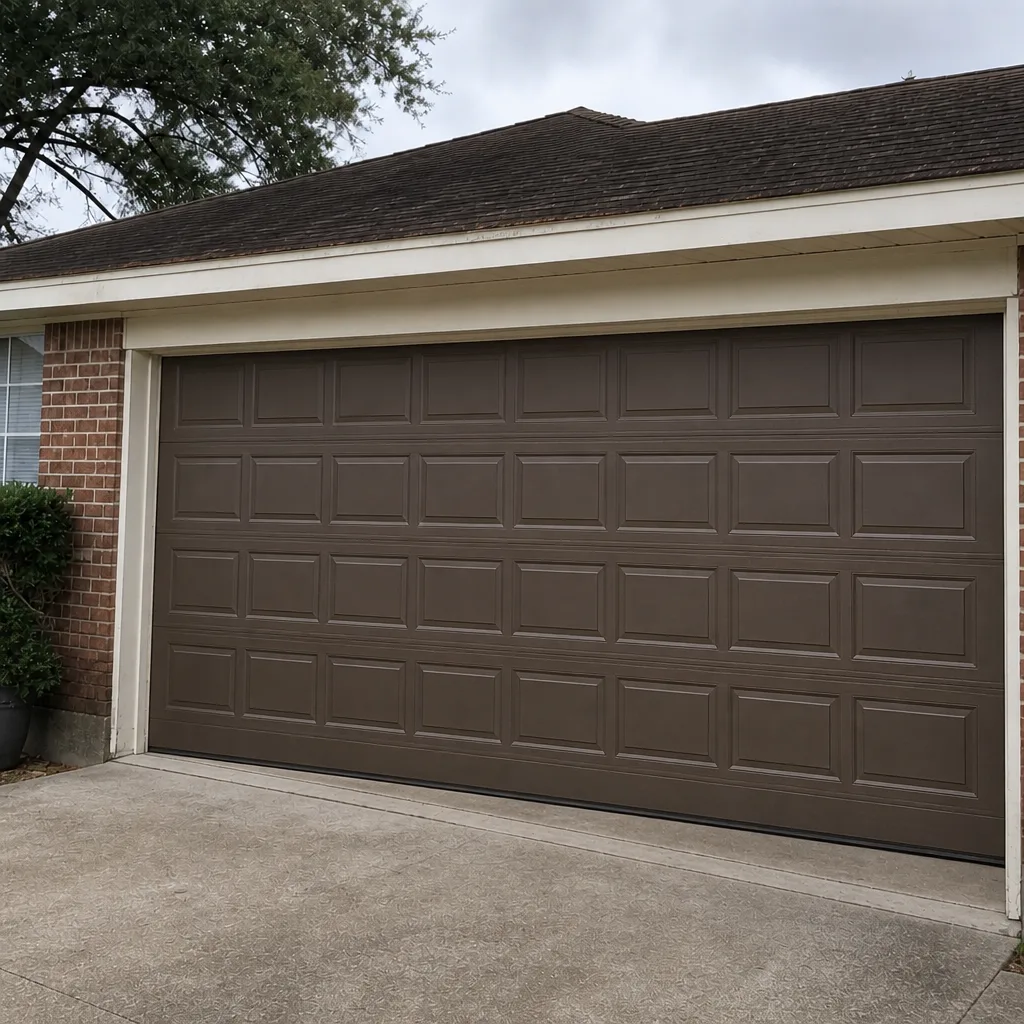 After
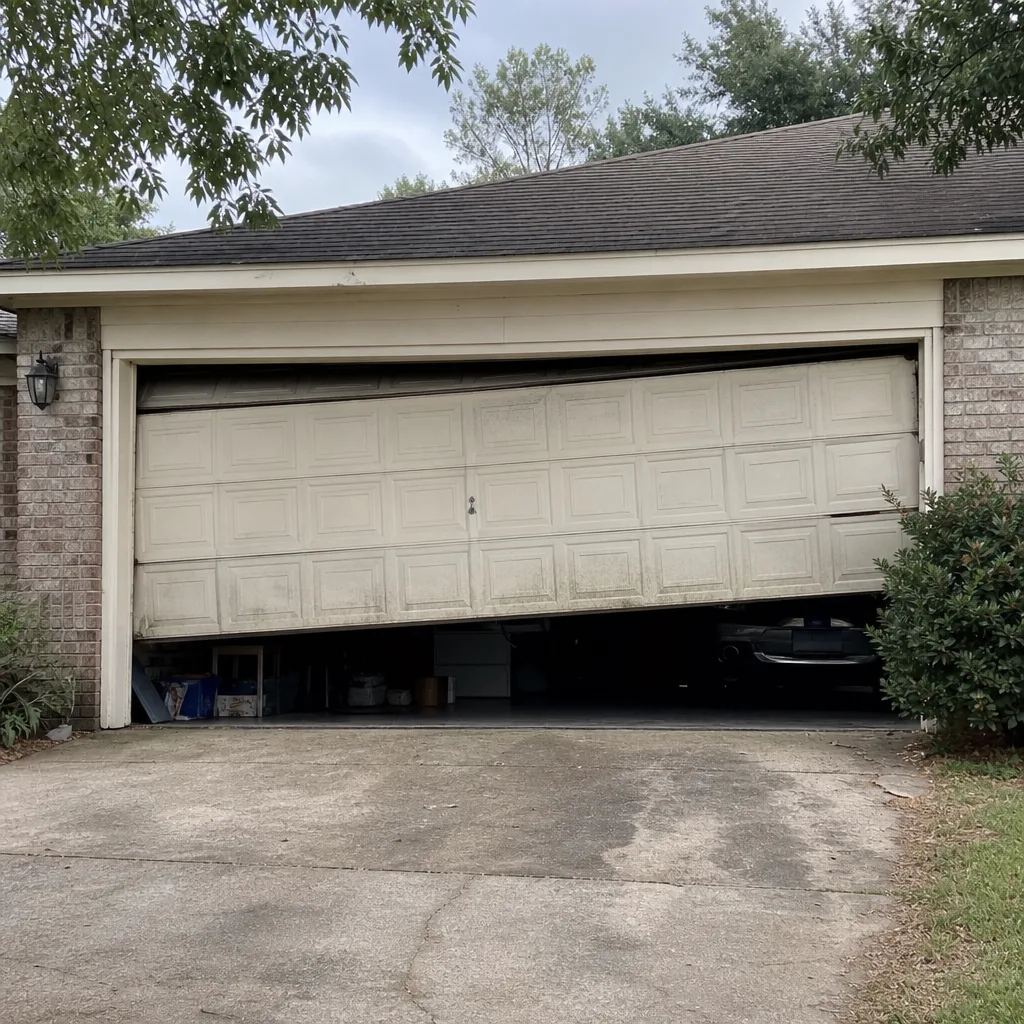 Before
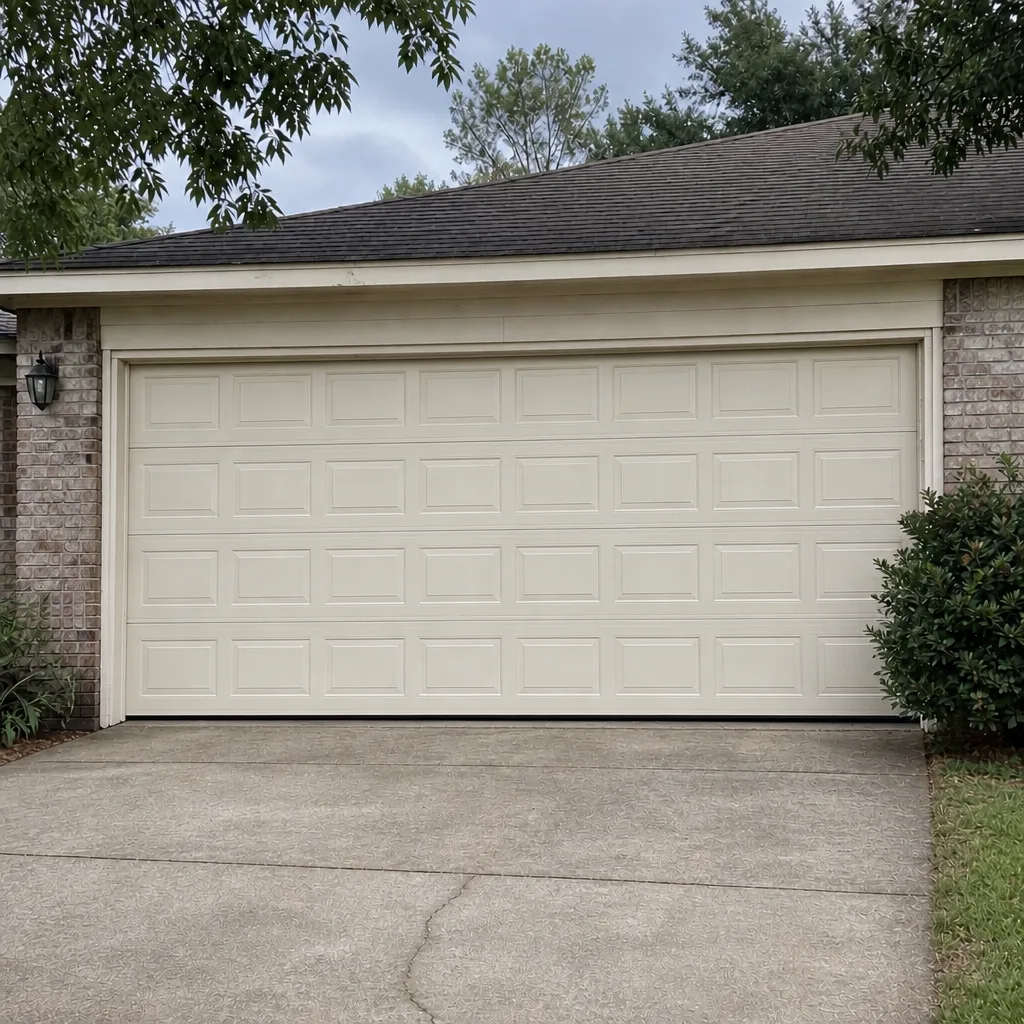 After
Common Mistakes to Avoid
- Skipping the permit on a full replacement because a neighbor didn’t need one. Spring’s jurisdictions vary by address, so copy a neighbor’s answer at your own risk. Confirm the rule for your address with the building department before the door is ordered.
- Letting an HOA approval slip past. In Gleannloch Farms, Harmony, and Breckenridge Forest, installing a door without architectural review can mean removing it. Get the approval in writing first.
- Disturbing the fire-rated wall with no plan to restore it. Any change to that separation needs a permit and a clear plan to restore the rating, not just a cosmetic patch.
- Assuming the insurance requirement doesn’t apply. If your Spring address falls under TWIA wind requirements, an unrated door can complicate a claim. Verify with your agent and the building department.
- Keeping no paperwork. The permit, inspection, rating label, and installation records are what a buyer’s inspector will want later. A folder of records is cheap insurance.
- Assuming a permit inspection equals a service call. Repair and permitting are separate processes on separate timelines. Don’t wait on a permit for a door that won’t close at all.
- Hiring a contractor who can’t produce a written scope. If the scope can’t be written in terms a plan reviewer can follow, the permit will stall. The written scope comes first.
When to Call a Professional
Call us when the mechanism fails, when the job crosses into permitted work, or when you’re not sure which side of the line you’re on. Spring failures, a cable that’s cut loose, a door that binds, an opener that no longer reverses when you test it: these are repairs our technicians handle, and the spring work is what we specialize in. Same-day service is available for repairs, with fast dispatch from 7am to 7pm, and estimates are free. For a full replacement or a structural change, we’ll give you a written scope you can take to your building department and your HOA, plus a free measure and a written price for the installation. Spring Garage Door Repair Pros offers free estimates in Spring. Call (855) 337-1360. The price is quoted and agreed before any work starts, so you know the number before we start.
Frequently Asked Questions
It depends on your address and the scope, and it’s not safe to assume. Replacing a single panel, spring, or opener is maintenance and doesn’t require a permit. A full door replacement, a header alteration, or a change to the fire-rated wall frequently does require a permit, so confirm with the building department for your specific address. If you’re unsure, call (855) 337-1360 and we’ll help you read the scope before you file.
No. Spring replacement is maintenance and doesn’t require a permit, no matter what the door brand. Torsion and extension spring work is the core of what we do, and our technicians have up to 10 years of experience handling it. The safety caveat matters here: spring work involves tensioned components that are dangerous to handle without training, so leave it to a professional. Call (855) 337-1360 for a free estimate; it’s a repair, not a permit job.
It can. If a replacement crosses into permitted construction and no permit was pulled, the exposure sits with the property owner, not the contractor who did the work. During a home sale inspection, a flagged unpermitted job can become the seller’s problem, with remediation on the owner’s side. Get the permit if it’s required, and keep the paperwork. Call (855) 337-1360 and we’ll help you sort out what the work actually needs.
Yes. A municipal permit doesn’t override deed restrictions, and Gleannloch Farms, Harmony, and Breckenridge Forest each run their own architectural review. Approval can require a specific color, style, or model, and installation without it can mean removing the door. Get the HOA approval in writing before ordering. If you’re not sure what model fits, call (855) 337-1360 and we’ll talk through options that meet both the code and the deed restriction.
It’s not the same thing. A permit inspection checks anchoring and header hardware, the opener’s UL rating, safety reversal and photo eyes, the fire separation if it’s in scope, and the door’s rating documentation. A repair call fixes a specific failure. Both matter, but they run on different timetables. If your door has a failure right now, call (855) 337-1360 for a free estimate; the permit process can happen in parallel.
The price we quote for the work is the price for the work; permit fees come from the authority that issues them, and we’ll tell you what we know about them before you file. The written estimate sets the final price for our work, and we don’t start until you agree to it. Call (855) 337-1360 for a free estimate and a clear scope you can take to the building department.
The Bottom Line
Most garage door work in Spring is repair. It doesn’t involve the building department and it can be handled the same day. The upgrade to permitted construction happens with full door replacements, header changes, structural alterations, and any change to the fire-rated wall, and it’s the homeowner who carries the exposure if the permit was skipped. Confirm the rule for your exact address, get your HOA approval in writing before ordering, verify any TWIA wind requirements with your agent, and keep every document. When the door fails, our experienced technicians handle the repair. When the job needs a permit, we’ll give you a written scope to file.
Written by the team at Spring Garage Door Repair Pros.