Last updated November 21, 2026
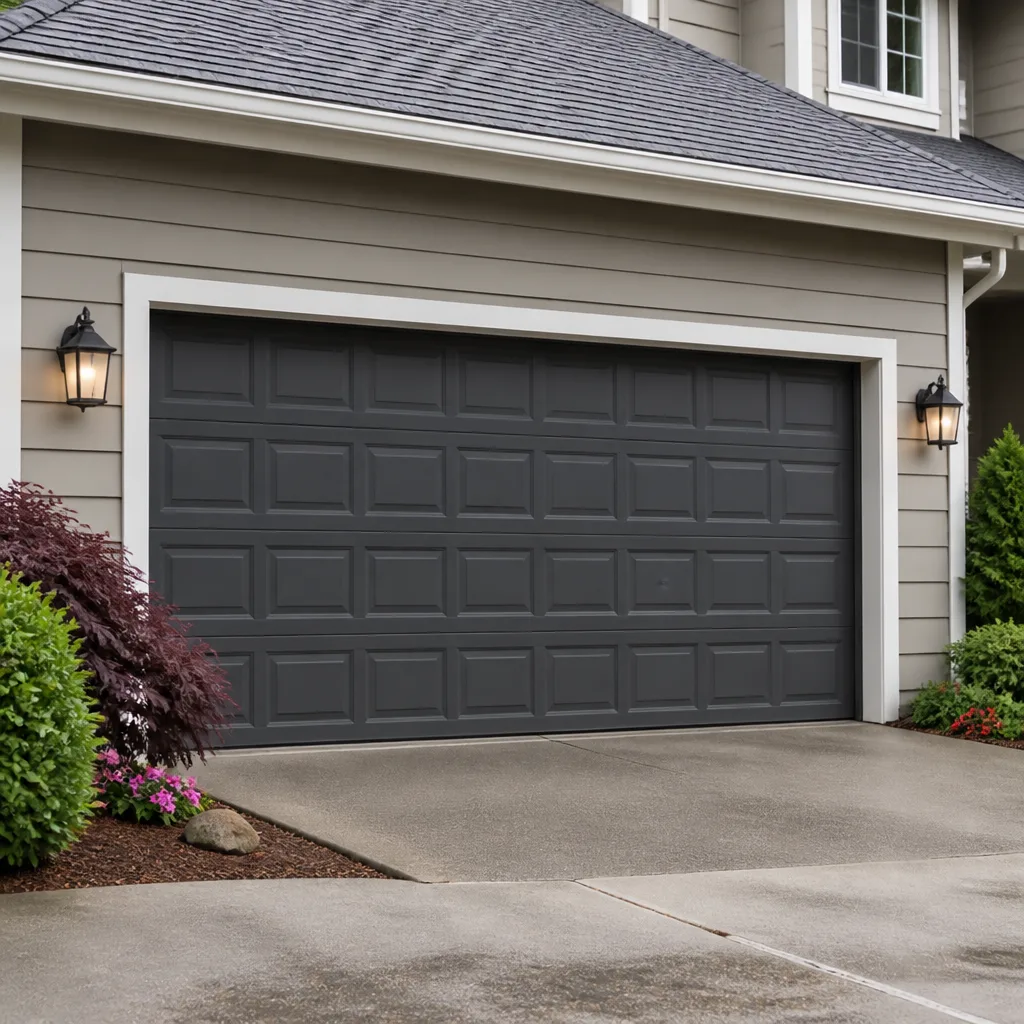 Raised-panel steel
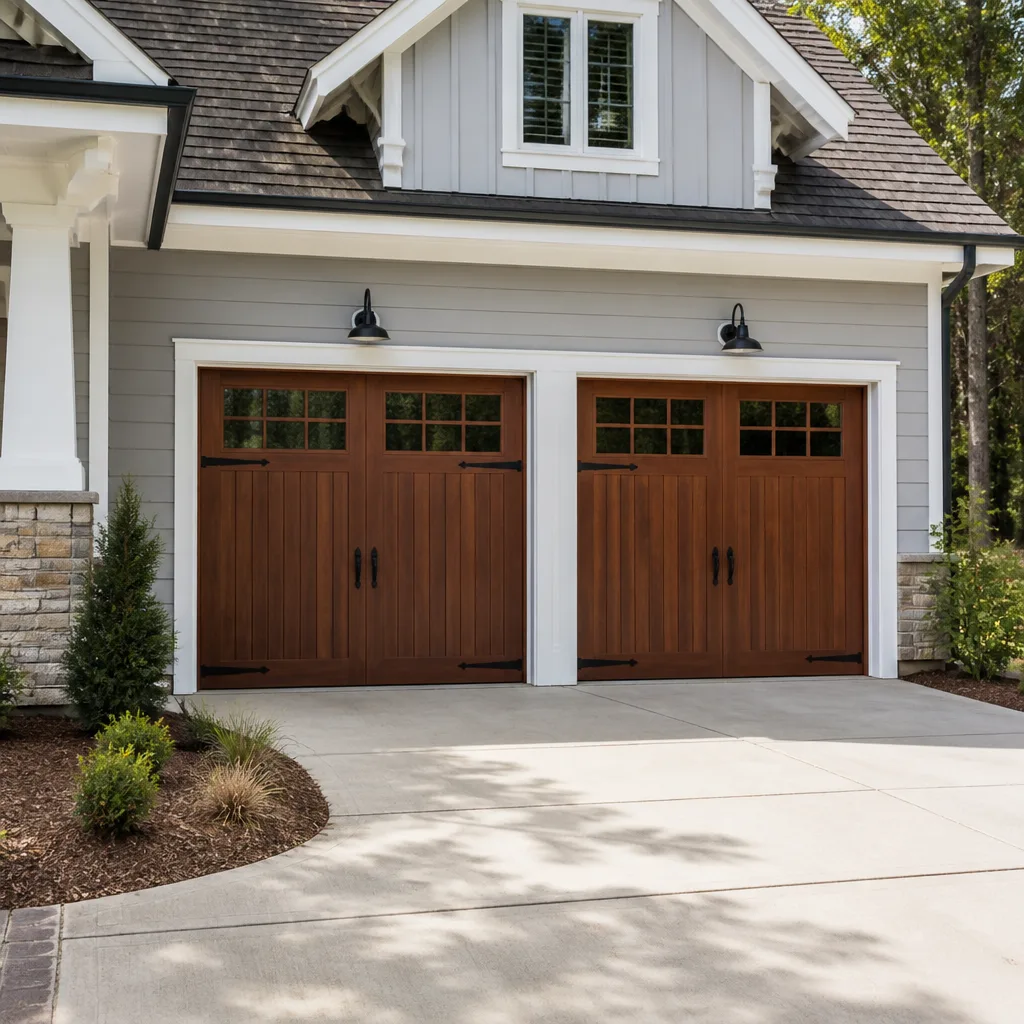 Carriage house
 Modern flush
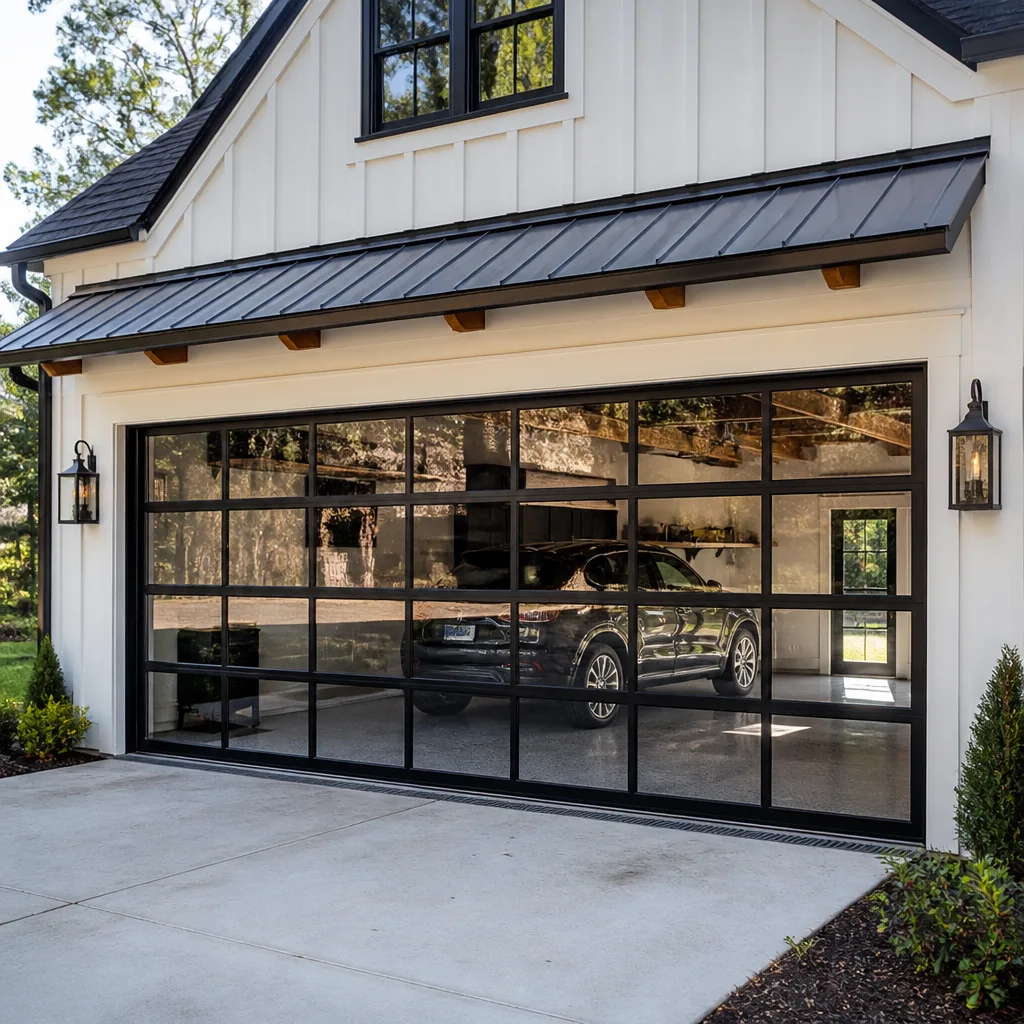 Full-view glass
 LiftMaster openers
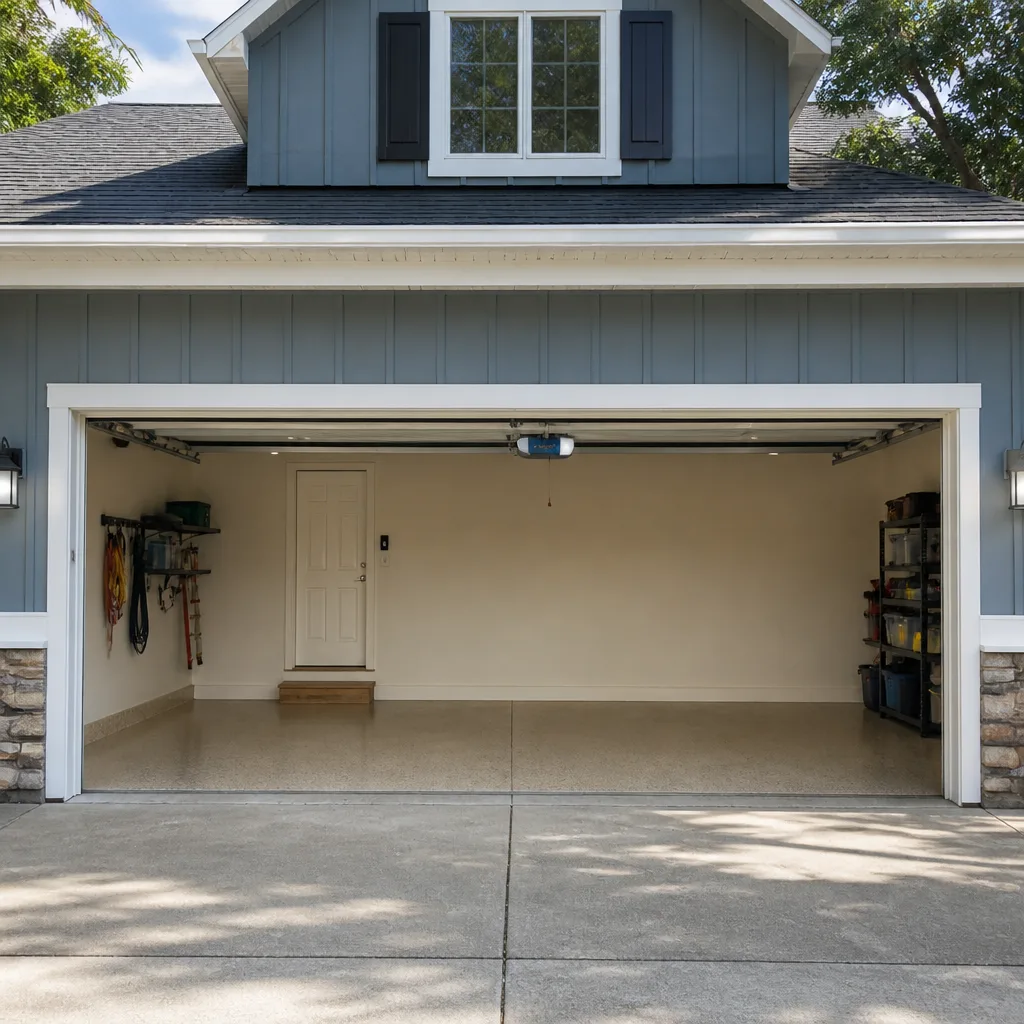 Chamberlain openers
Full 25-point door and opener safety check with every visit - springs, cables, rollers, tracks, and your LiftMaster or Chamberlain opener included
You get a price before we start. It does not change when the pro arrives.
Get your free estimateHow to Hire a Garage Door Contractor in Spring: A Step-by-Step Guide
Most homeowners hire a garage door contractor the same way they hire a painter: they call whoever answers first, ask what it costs, and book the cheapest quote. With a garage door, that habit gets expensive. A contractor who quotes a torsion spring job without asking for the door’s weight or measuring the existing spring’s wire diameter is guessing. A spring wound to the wrong tension will either strip your opener gears within months or leave the door impossible to lift by hand during a power outage. In this guide we’ll walk you through the exact questions, documents and red flags that separate a specialist from a generalist, written from the perspective of a Spring garage door team that does this work every day.
Quick Answer
To hire a garage door contractor in Spring, verify three things before anyone arrives: that they specialize in garage doors rather than general handyman work, that they can explain spring sizing by wire diameter and cycle rating instead of quoting a flat “any spring” price, and that they carry liability insurance and can put the spring specification, labor warranty and old-hardware disposal in a written estimate. Ask for those details on the phone. A qualified contractor answers them without hesitation; an unqualified one changes the subject.
Styles & brands we work with
- Raised-panel steel
- Carriage house
- Modern flush
- Full-view glass
- LiftMaster openers
- Chamberlain openers
Table of Contents
- Why a Garage Door Specialist Beats a Generalist
- The Five Phone Questions That Separate Specialists From Generalists
- Texas Licensing Reality: What TDLR Covers and What It Doesn’t
- Spring Replacement Quote Red Flags
- How to Read Reviews for Garage Door Work
- What a Legitimate Written Estimate Must Include
- Brand Knowledge: Why It Matters More Than You Think
- Common Mistakes to Avoid
- When to Call a Professional
- Frequently Asked Questions
Why a Garage Door Specialist Beats a Generalist
A garage door is a balanced mechanical system with a handful of parts that fail in predictable ways. Springs carry the weight. Cables transfer the load. Rollers run in tracks that must stay plumb. The opener supplies a small amount of force on top of what the springs already do. When one part fails, the symptom often shows up somewhere else, and a contractor who mostly hangs drywall or replaces faucets may treat the visible symptom and miss the cause.
That matters most with springs. A torsion spring stores enough energy to injure a person badly if it releases without warning, and getting the replacement right requires matching wire diameter, inside diameter, spring length and expected cycle life to the actual weight of the door. A generalist who orders “a spring for a 16-foot door” is guessing at the load. A specialist measures and calculates.
We’re biased here, and we’ll say so. Garage doors are all we do, which means we do them better. Our technicians spend their days on torsion and extension springs, opener logic boards, cable replacement and track alignment, so a strange noise over the phone usually tells us more than it would tell a handyman. In our experience, the diagnostic accuracy gap is the real difference. A specialist identifies the failing component on the first visit; a generalist often returns two or three times before the door works reliably.
That doesn’t mean every generalist is bad. Plenty of capable tradespeople can replace a roller or adjust a track. The problem is spring work and opener diagnostics, where the margin for error is thin and the wrong adjustment shortens the life of everything downstream. For that work, hire the specialist. You can read more about what full garage door repair covers when you want a sense of the scope a specialist handles.
The Five Phone Questions That Separate Specialists From Generalists
You can vet a contractor in about five minutes on the phone, before you commit to an appointment. Ask these five questions in order. The answers do the work for you.
- “What spring size will you install, and how are you calculating it?” A specialist will ask for your door’s weight, height and width, and the existing spring’s wire diameter and length. They’ll mention cycle rating. A generalist will say something like “we’ll bring the right one.”
- “Do you replace the spring pair together, or just the broken one?” Springs on a door are matched and wear at the same rate. Replacing one leaves the older spring to fail soon after. A specialist explains this and lets you decide, without pressure.
- “What cycle rating do your springs carry?” Standard springs are rated for a set number of open and close cycles. Higher-cycle springs cost more and last longer. A contractor who can’t tell you the rating is buying whatever is cheapest at the supply house.
- “Will you show me the markings on the old spring before disposal?” Factory markings on the spring tell you its original size and rating. A contractor who won’t show you the old part makes it impossible to verify the replacement matches.
- “What does your labor warranty cover, and for how long?” Spring replacement should carry a labor warranty. A vague answer here signals that the contractor doesn’t stand behind the work.
If a contractor answers all five cleanly, you’ve likely found someone competent. If they dodge two or more, keep calling. This single phone screen eliminates most of the bad hires before anyone drives to your house.
Texas Licensing Reality: What TDLR Covers and What It Doesn’t
Here’s the part most homeowners get wrong. Texas does not license garage door contractors as a stand-alone trade the way it licenses electricians or plumbers. The Texas Department of Licensing and Regulation (TDLR) oversees a long list of trades, and garage door installation and repair isn’t on that list as its own licensed category. So when a company advertises a “license number” for garage door work, that number may refer to a different trade entirely, or it may mean nothing for the job you’re hiring for.
That changes how you vet. Since a garage-door-specific license doesn’t exist, insurance documentation carries the weight. Ask for two things:
- General liability insurance covering property damage. If a technician damages your door, tracks or the surrounding structure, you want the contractor’s policy to cover it, not your homeowner’s policy.
- Workers’ compensation coverage or proof that the crew is covered. If someone is injured on your property, you don’t want to be exposed.
Ask for a certificate of insurance before the appointment. A legitimate contractor emails it without friction. One who stalls or says “we’re covered” without documentation is asking you to take a risk on their word. In Spring, where homes often have attached garages and the door is a structural part of the house, that exposure is real. A botched spring job can damage the opener, the door panels or the tracks, and you want to know who pays before the work starts, not after.
Also confirm the company is a dedicated garage door operation rather than a multi-trade generalist. It’s not about credentials on paper. It’s about whether the person standing in your driveway has done this specific job hundreds of times.
Spring Replacement Quote Red Flags
Spring replacement is where the worst quote practices live, because most homeowners don’t know what a fair price looks like. Watch for these three patterns, which show up on Spring driveways more than they should.
Flat-rate “any spring” pricing
If a contractor quotes one price for “any spring, any door,” they’re either installing a cheap generic spring or planning to adjust the price once they see it. Spring cost depends on wire diameter, length, inside diameter and cycle rating. A real quote reflects those specifics, either as a range tied to door size or as a fixed price based on your door’s details. Flat-rate pricing hides the guesswork. See our cost breakdown on garage door repair for how pricing should be structured by job.
Refusal to show the old spring’s markings
Factory markings on the old spring should be visible. A contractor who won’t show them, or who discards the old spring before you can look, takes away your ability to verify the replacement. That’s not a small thing. It’s the difference between a matched spring and a wrong-tension guess.
Upselling to full cable replacement without showing wear
Cables do wear, and on an older door they may genuinely need replacement. But “your cables are shot, we need to replace them too” without showing you the fraying, corrosion or kinks is an upsell, not a diagnosis. Ask to see the part in question before agreeing.
Prices vary by door size and spring type, so treat any quote as an estimate until the contractor has measured your door. The written estimate sets the final price.
How to Read Reviews for Garage Door Work
Review platforms lump every repair into the same five-star pile, so you have to read the language, not the star average. Garage door work leaves a specific trail in reviews when the job was done right.
- Look for technical language. Reviews that mention torsion springs, cycle ratings, opener brands, or getting the door balanced again signal a real repair. Reviews that only say “quick, friendly, fixed it” tell you almost nothing about the work.
- Read repaired-after-failure reviews. Reviews where the homeowner says the door worked for months and is still working show a fix that held up. A cosmetic adjustment that passes on the first day may look like a success in a review written the same afternoon.
- Scan for repeat visits. If reviewers mention a technician coming back twice or three times to get it right, that’s a diagnostic gap, not bad luck.
- Check spring-specific reviews. Spring work is the highest-stakes repair, so prioritize reviews that specifically mention spring replacement and whether the door stayed balanced afterward.
We’ve seen plenty of five-star reviews for jobs we’d have diagnosed differently. Balance is the test. A door that rises smoothly, stays put when you let go halfway up, and lifts easily by hand after a spring replacement was done correctly. If the reviews praise speed but not function, read with caution.
What a Legitimate Written Estimate Must Include
A written estimate protects you from the invoice-more-than-quote problem. Get it in writing before any work begins, and check that it contains these elements:
- Spring specifications by part number. Wire diameter, inside diameter, length and cycle rating. If the estimate just says “torsion spring,” ask for the spec.
- Number of springs. One spring or a matched pair, stated clearly. A pair costs about twice a single spring, and the estimate should say which you’re buying.
- Labor warranty terms. How long the work is covered, and what voids it.
- Disposal of old hardware. Old springs, cables and brackets should be removed and hauled away, not left in your garage.
- A price that’s agreed before work starts. The written estimate sets the price. Any change should require your approval first.
Ask for the estimate in writing and keep it. A contractor who won’t put it in writing is a contractor who can adjust the price after the door is already apart. For opener issues, the same standard applies, and our guide to garage door opener repair covers what a proper diagnostic estimate looks like for that work too.
Brand Knowledge: Why It Matters More Than You Think
Garage doors and openers vary by brand in ways that affect repair. A spring system sized for a Wayne Dalton door isn’t the same as one for an Amarr or a Clopay model, and opener replacement parts differ across LiftMaster, Chamberlain, Genie and Craftsman units. A contractor who works across only one or two brands may need to order parts they don’t normally handle, which means a second visit and a longer stretch with the door out of service.
Ask on the phone which brands the contractor routinely services. A specialist will name several. We work across eight major garage door and opener brands, so a homeowner rarely has to wonder whether their specific system is supported. We also supply replacement parts directly rather than relying on a third-party supplier, which shortens the time between diagnosis and repair.
Brand fluency also helps with installation. If you’re replacing an aging door or opener, knowing the parts ecosystem for the brand you choose makes future repairs easier and often cheaper. Our garage door installation page covers the brand and sizing choices for a new door, and it’s worth reviewing before you commit.
Common Mistakes to Avoid
- Hiring the cheapest quote without asking what’s included. The lowest number often excludes labor warranty, old-hardware disposal or a matched spring pair. Two sentences in, those extras vanish and the price climbs.
- Skipping the insurance check. Because Texas doesn’t license garage door work as its own trade, insurance is your main protection. Request the certificate before the appointment, not after damage occurs.
- Letting a contractor replace one spring on a matched pair. Springs wear at the same rate, so a single replacement leaves the older spring to fail soon after. Ask whether a pair is the better call for your door.
- Trusting a phone quote without an on-site measure. Spring sizing depends on door weight and existing spring specs. A phone price is an estimate until the contractor measures.
- Ignoring balance after the repair. Test the door by hand before the technician leaves. It should lift easily and stay put when released halfway. If it doesn’t, the tension is wrong.
- Paying before the work is verified. Pay after you’ve tested the door and confirmed the old hardware is gone.
- Assuming a general handyman handles spring work. For roller or track adjustments, a generalist is fine. For springs and openers, the failure risk makes specialization worth the call.
When to Call a Professional
Call a professional for anything involving springs, cables or opener electrical work. A door that won’t open, a snapped spring, a cable that’s come off the drum or a door hanging crooked in the tracks all deserve a trained technician. Springs and cables carry stored energy that can injure a person badly if released unexpectedly, so don’t attempt to adjust or replace them yourself, even for a quick fix. Track alignment and roller replacement are lower risk but still benefit from a specialist who can spot what caused the misalignment in the first place. If your door is making new noises, reversing before it closes, or getting harder to lift by hand, that’s a sign to schedule a diagnostic before a small problem becomes a spring or opener failure. Spring Garage Door Repair Pros offers free estimates in Spring, and our technicians have up to 10 years of experience with torsion and extension spring work. Call (855) 337-1360 to book a diagnostic or get a written quote.
Frequently Asked Questions
Spring replacement is priced per spring, and the number depends on the door’s weight, spring type and cycle rating. Because a spring price covers one spring, a matched pair usually costs about twice that amount. The written estimate you get after the contractor measures the door sets the final price, and it should be agreed before any work starts. Call (855) 337-1360 for an exact quote. Estimates are free.
No. Texas does not license garage door contractors as a stand-alone trade through TDLR, so a garage-door-specific license number doesn’t exist. That makes insurance documentation the key check. Ask for a certificate of general liability insurance and workers’ compensation coverage before the appointment.
Many repairs, including spring replacement and opener fixes, are often done the same day once the door is diagnosed. But the exact timing depends on the parts needed and the door’s condition. A specialist who carries parts for major brands can usually avoid a second visit. Call (855) 337-1360 to check availability.
A legitimate written estimate includes spring specs by part number, cycle rating, whether you’re getting one spring or a pair, labor warranty terms, disposal of old hardware, and the total price agreed before work begins. If any of those elements are missing, ask for them in writing. For opener work, the estimate should also name the part being replaced.
The clearest signs are a loud snap from the garage, a door that’s much heavier to lift by hand, or a door that won’t fully open with the opener. A visible gap in a torsion spring confirms the break. Don’t try to test or adjust the spring yourself; call a technician to inspect it.
The local pro should be, and you should verify it. Request a certificate of insurance before the appointment. A legitimate contractor provides it without hesitation. Without a trade license covering garage door work in Texas, insurance is the main assurance available to homeowners, so don’t skip this step. For a full repair quote, call (855) 337-1360.
The Bottom Line
Vetting a garage door contractor comes down to a few checks you can do before anyone shows up at your door. Ask the five phone questions about spring sizing, cycle rating, pair replacement, old-part markings and labor warranty. Verify insurance, since Texas doesn’t license garage door work as its own trade. Read reviews for technical language and long-term function, not just speed. Get a written estimate with spring specs, warranty terms and disposal included. And for spring or opener work, hire a specialist rather than a generalist. That’s the whole framework, and it works in Spring and anywhere else.
If you’d rather start with a specialist who already passes all five questions, our team at Spring Garage Door Repair Pros is ready to help. Call (855) 337-1360 for a free estimate and get your door diagnosed and repaired by technicians who know the brands and the mechanics cold.
Written by the team at Spring Garage Door Repair Pros.
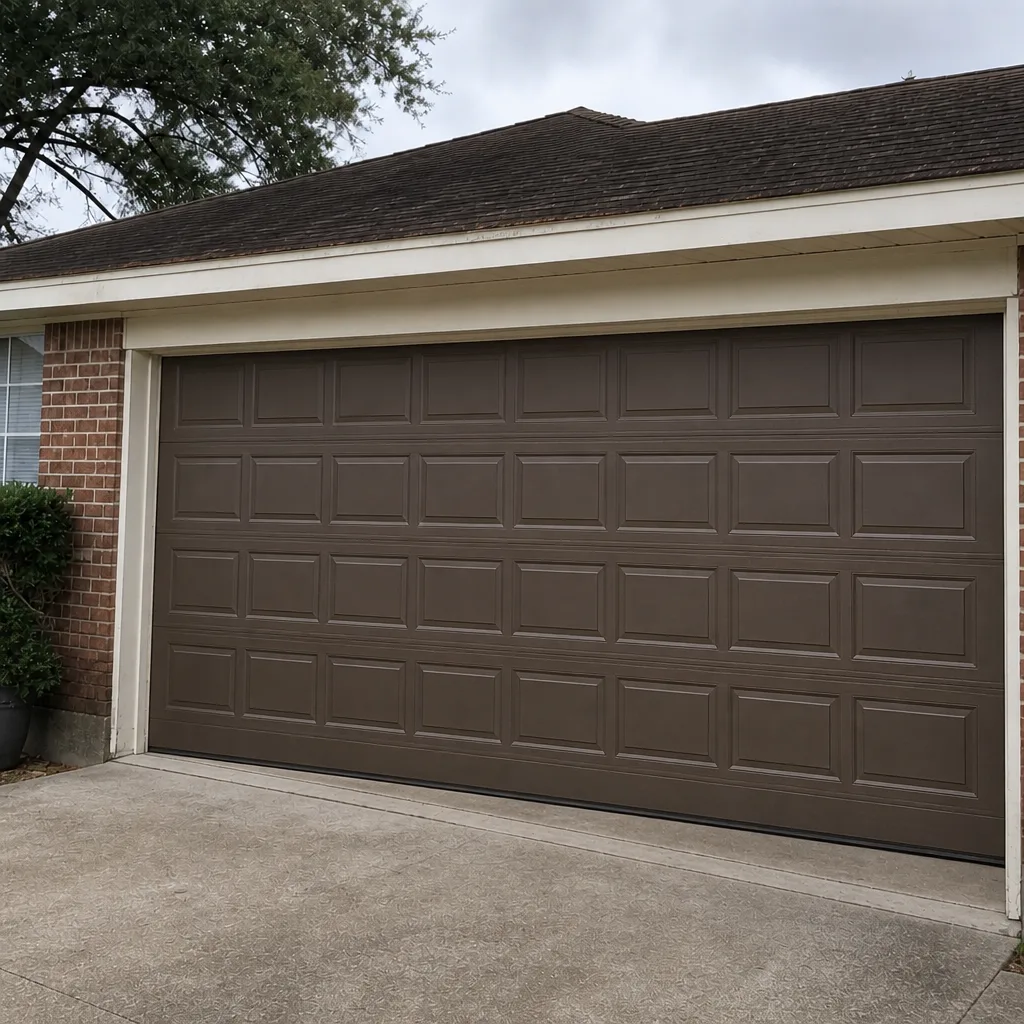
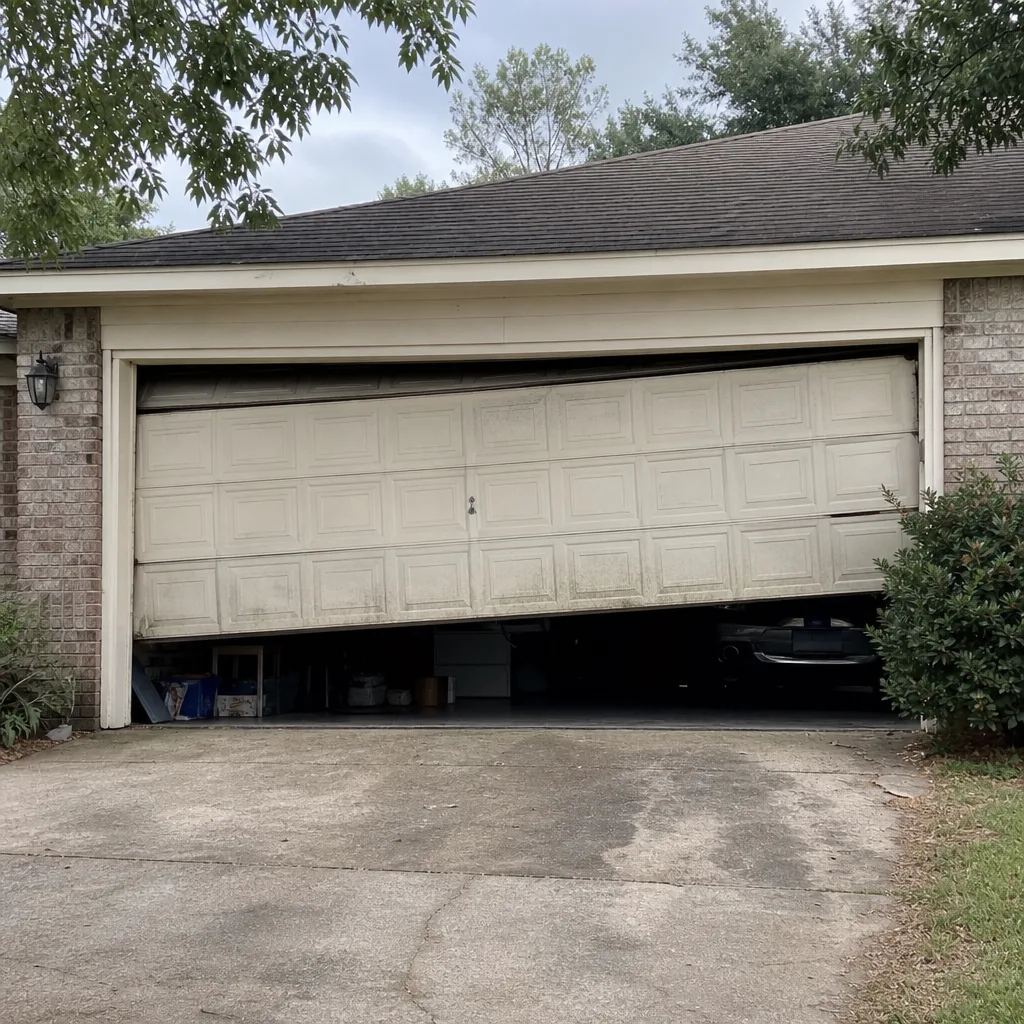
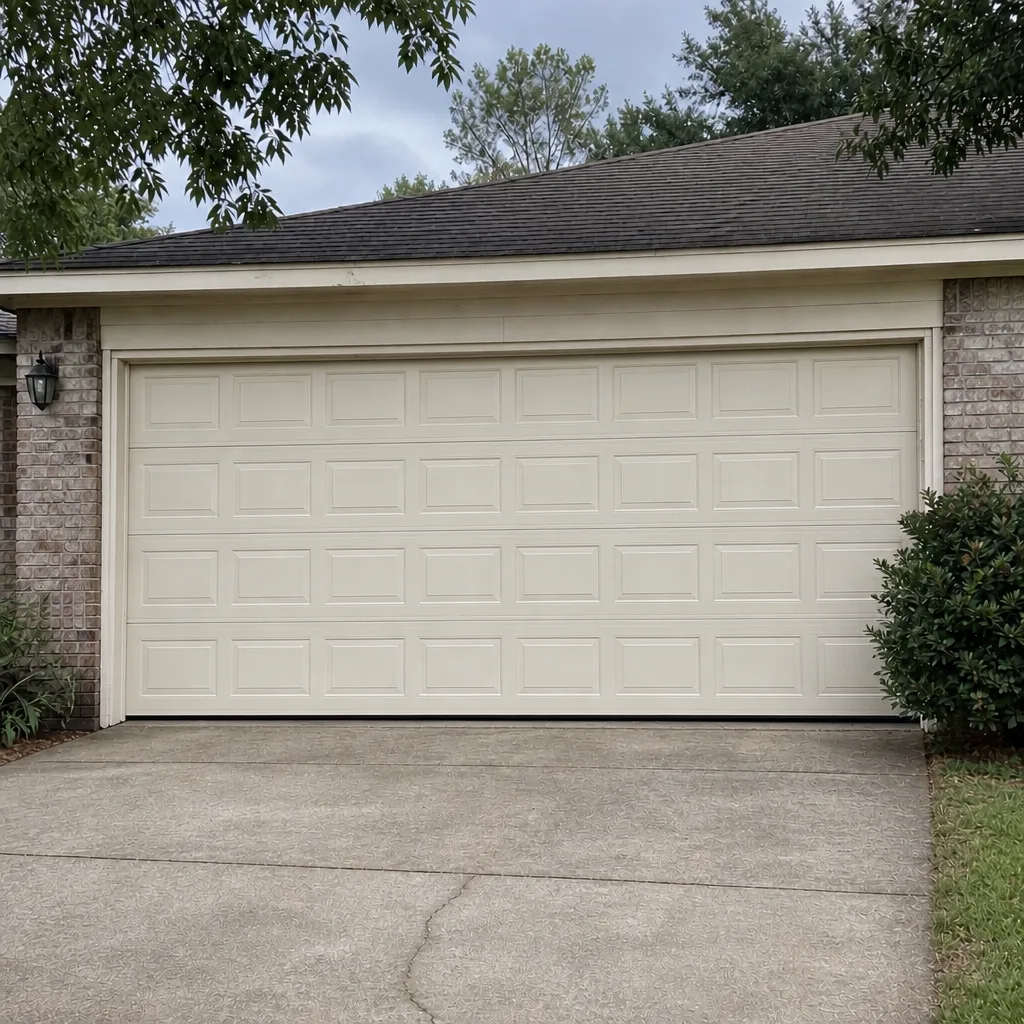
See the difference
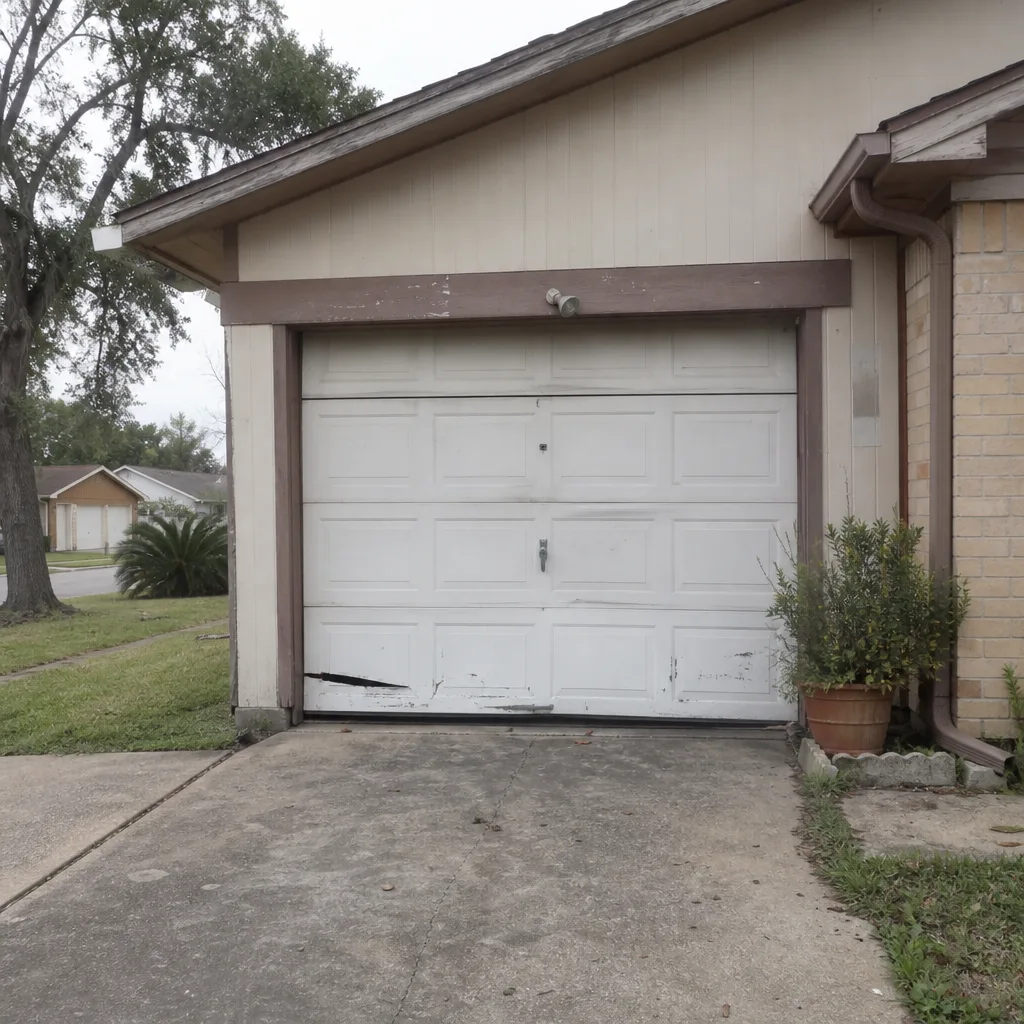 Before
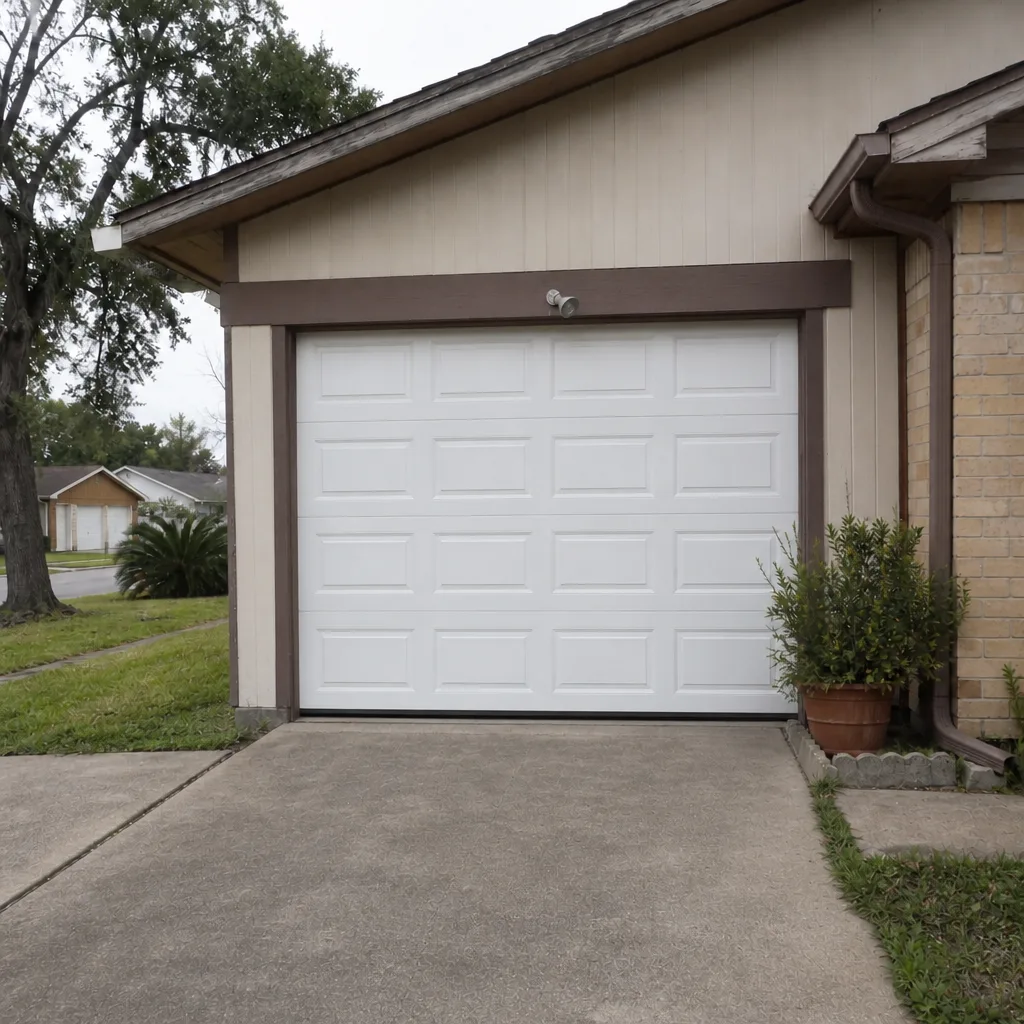 After
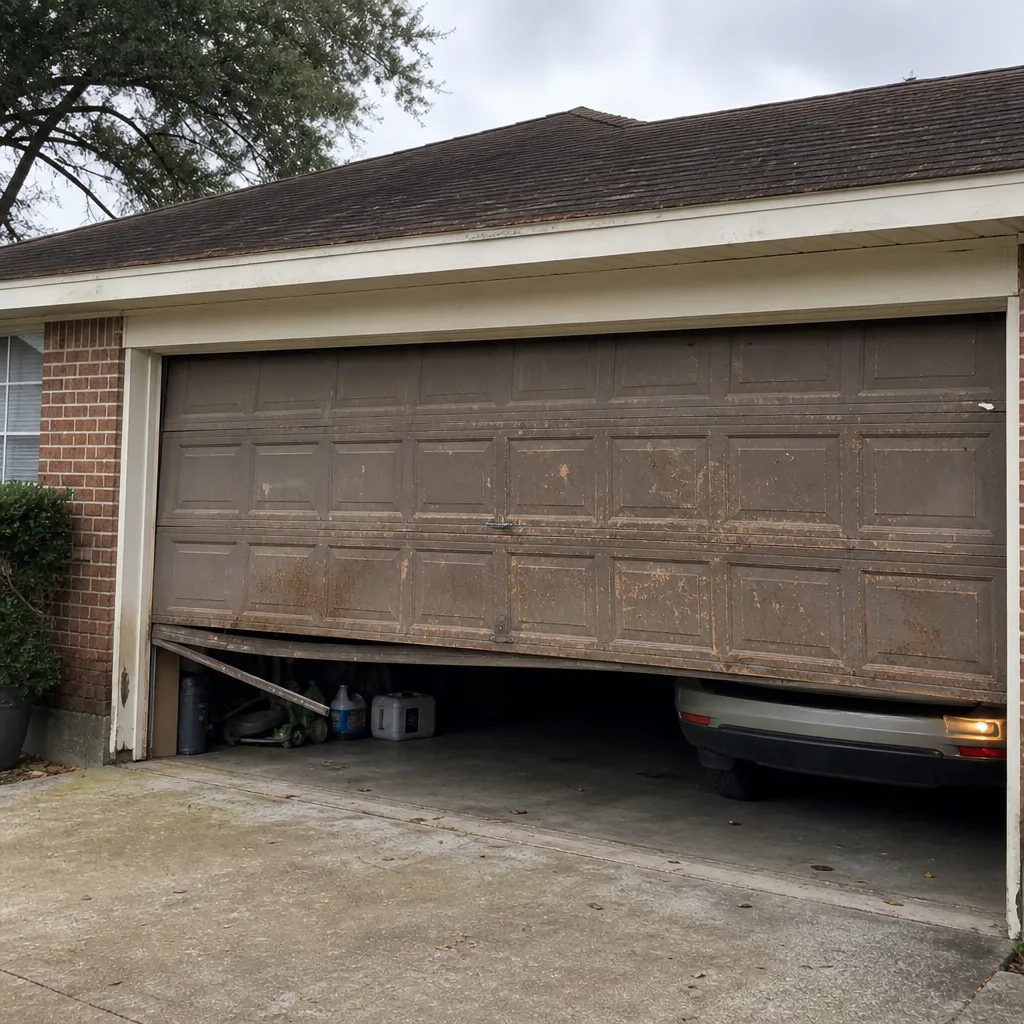 Before
 After
 Before
 After