Last updated November 21, 2026
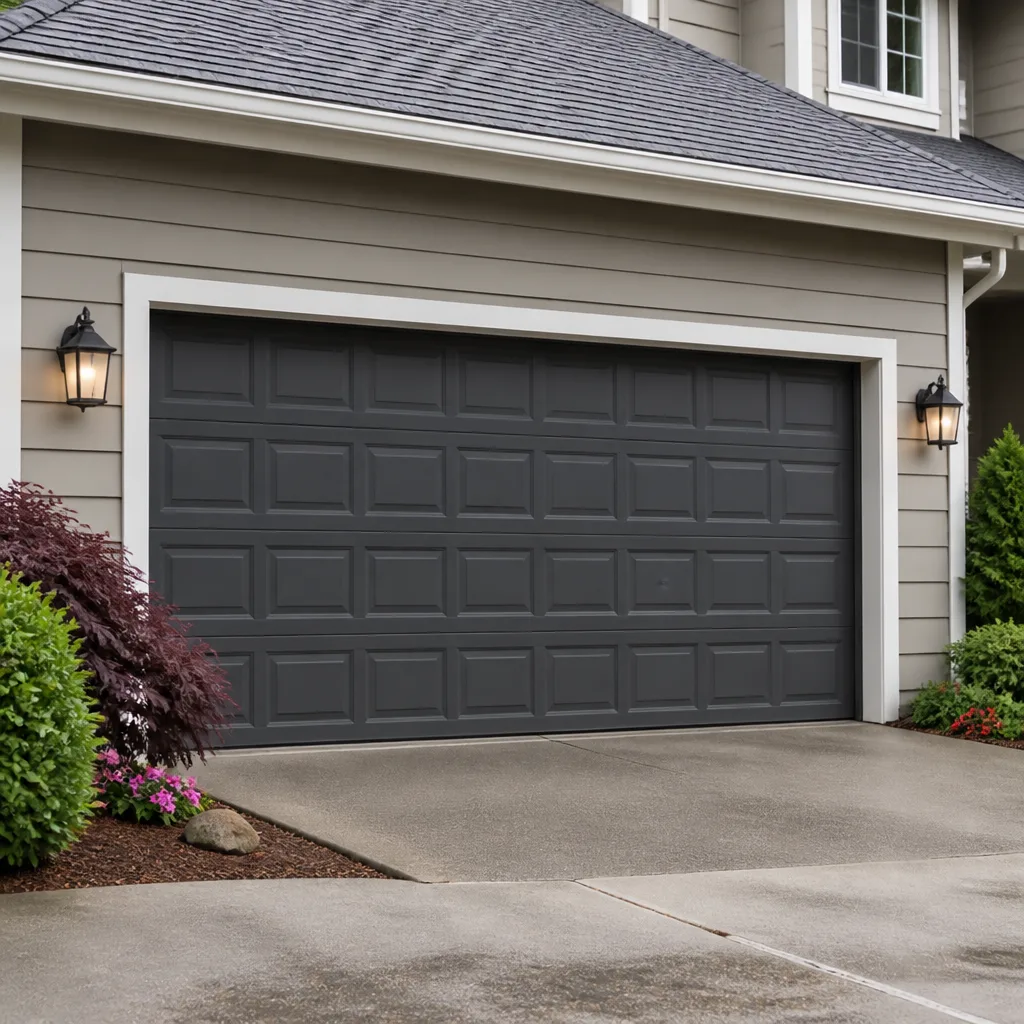 Raised-panel steel
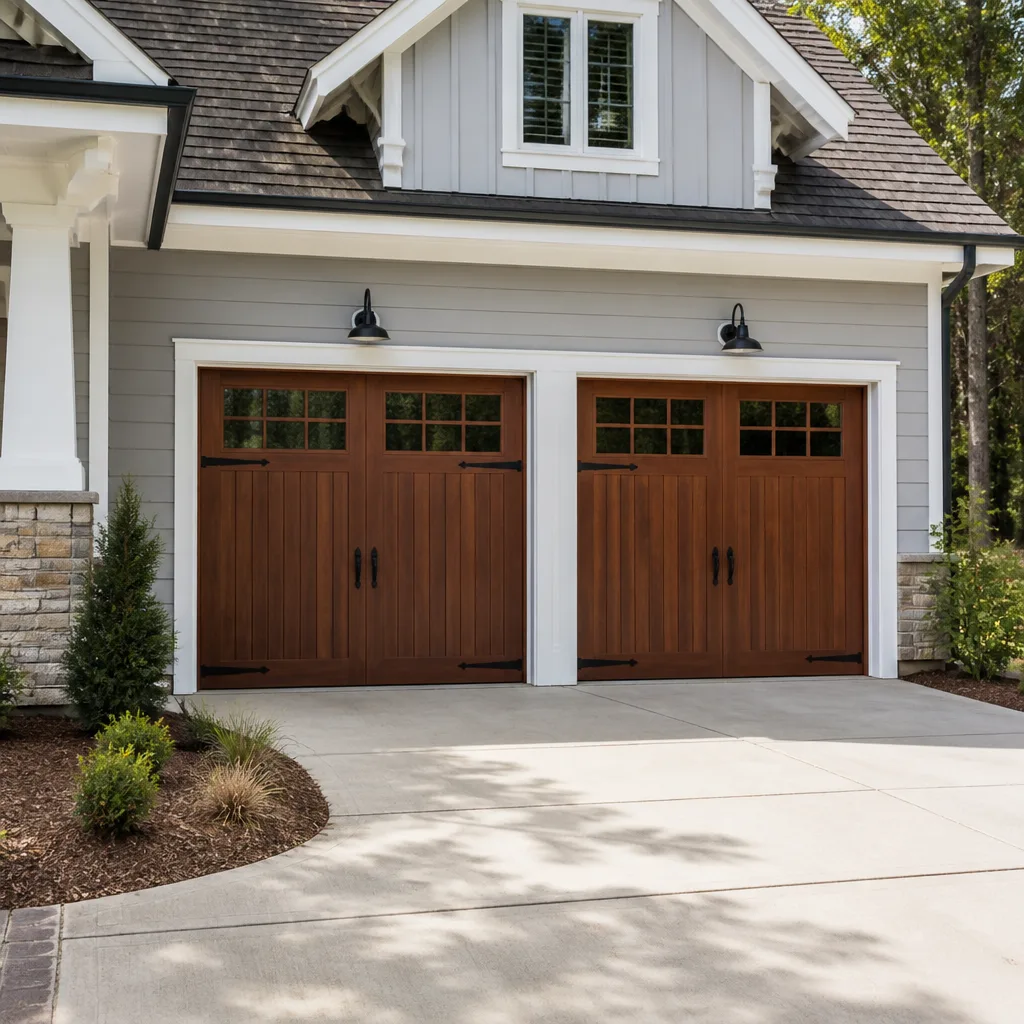 Carriage house
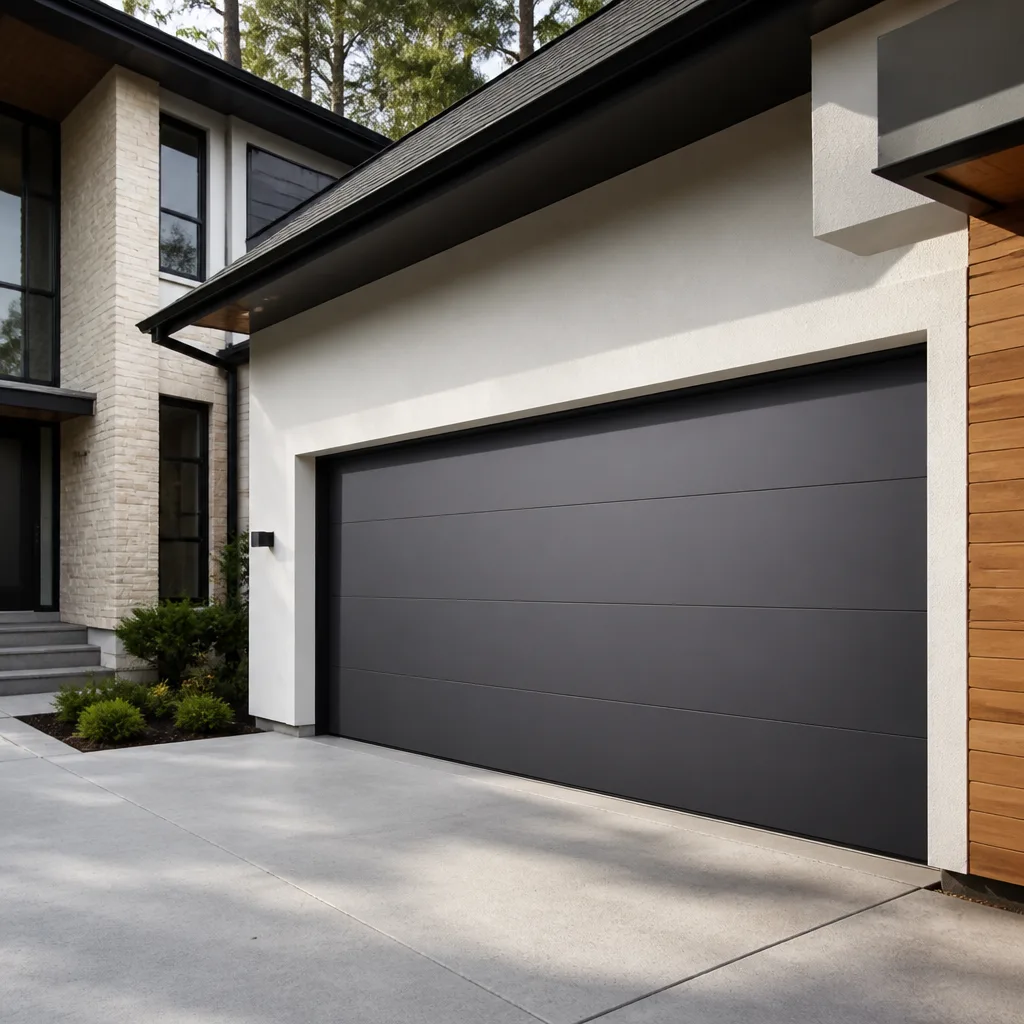 Modern flush
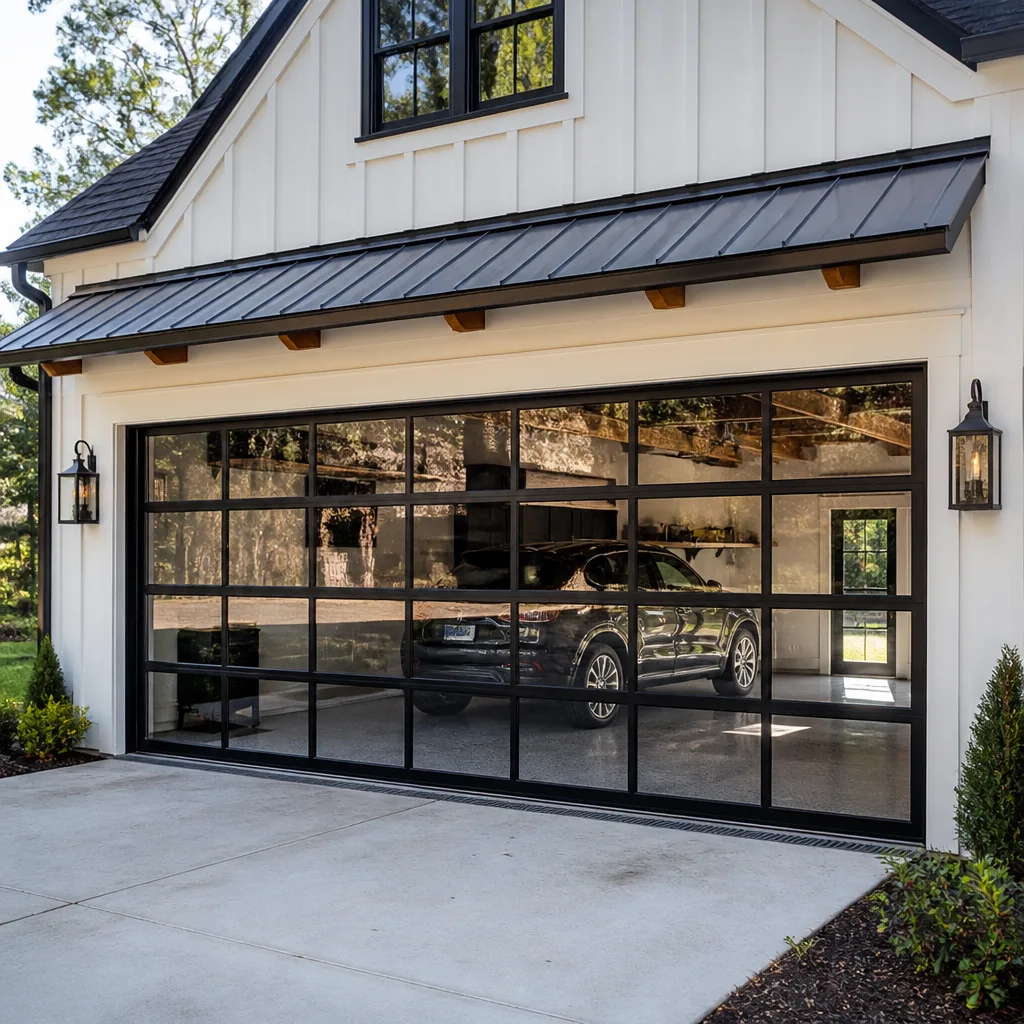 Full-view glass
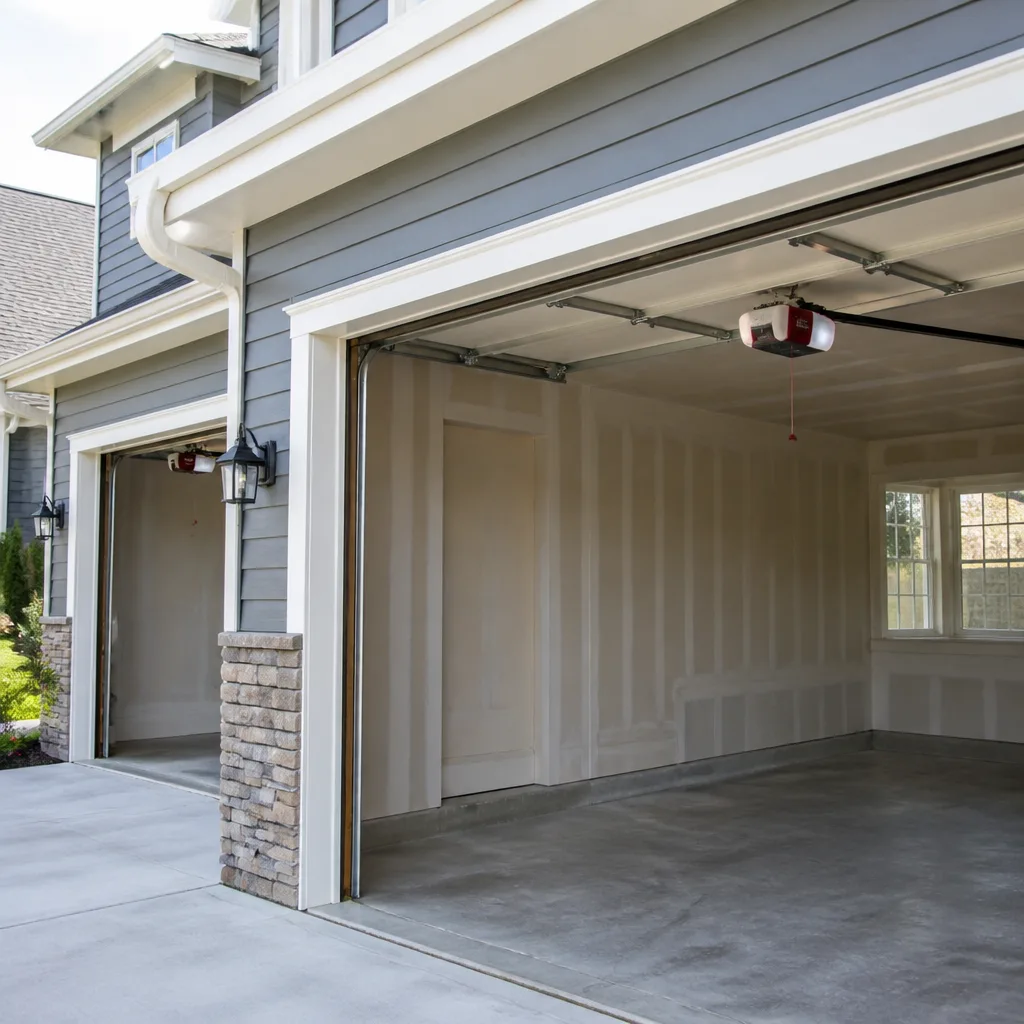 LiftMaster openers
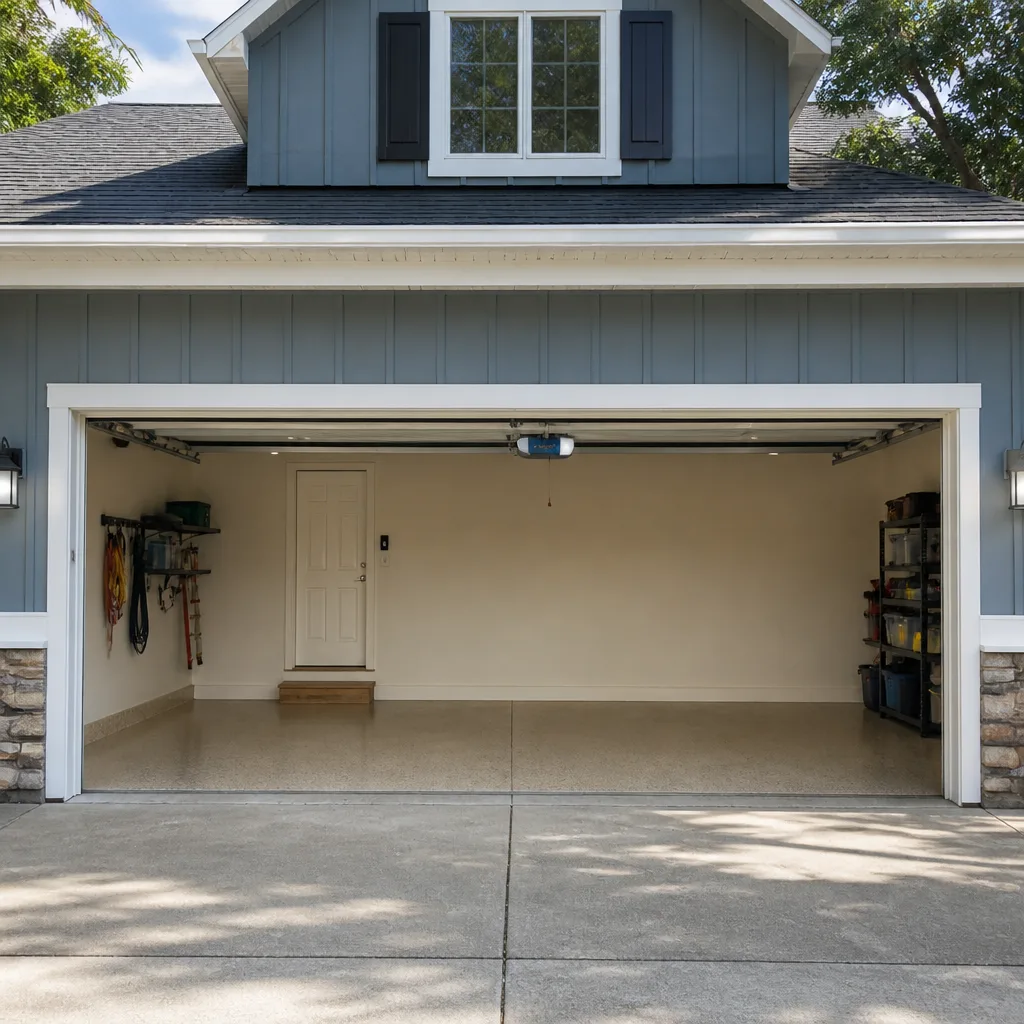 Chamberlain openers
Full 25-point door and opener safety check with every visit - springs, cables, rollers, tracks, and your LiftMaster or Chamberlain opener included
You get a price before we start. It does not change when the pro arrives.
Get your free estimateSeasonal Garage Door Care for Spring: Year-Round Homeowner’s Guide
If you’ve read a garage door maintenance article that tells you to winterize before the first freeze, you’ve read advice written for a different part of the country. Spring, TX doesn’t hand you four tidy seasons. It gives you a humidity season, a heat season, a storm season, and a short mild window, and each one works on your door’s components in a predictable way. The real threat here isn’t ice. It’s the May through October humidity and heat combination that oxidizes spring wire, swells wooden panel overlays, and lets thermal expansion knock tracks out of plumb. This guide maps every maintenance task to that actual local cycle, so you’re checking the right parts at the right time instead of following a Minnesota template that never fit.
Quick Answer
In Spring, TX, garage door care should follow the local climate, not a four-season calendar. The heavy work happens in the mild window from November through February, when cooler, drier air lets you replace springs, reset opener travel limits, and swap weatherseals with accurate measurements. The April through May stretch is for storm prep, June through September is for humidity and heat checks, and any hail event calls for a specific post-storm inspection. Your door needs different attention in each window, and skipping the summer checks is how small corrosion becomes a snapped spring in the fall.
Styles & brands we work with
- Raised-panel steel
- Carriage house
- Modern flush
- Full-view glass
- LiftMaster openers
- Chamberlain openers
Table of Contents
- Why Spring’s Climate Breaks the Standard Maintenance Calendar
- The April-May Storm Prep Checklist
- Summer Heat Protocol: What Direct Sun Does to Your Door
- Humidity Peak, June Through September
- The Mild Window: Your Best Time for the Big Jobs
- After the Storm: An Inspection Protocol Beyond Dents
- The Monthly Habit That Prevents Most Failures
- Common Mistakes to Avoid
- When to Call a Professional
- Frequently Asked Questions
Why Spring’s Climate Breaks the Standard Maintenance Calendar
Most garage door care advice assumes a hard winter and a dry summer. Spring, TX runs almost the opposite. Winters here are mild enough that your door never really rests, so the components that wear out in cold climates from freeze and thaw instead wear out here from constant humidity. The result is a maintenance rhythm built around moisture and heat rather than cold.
Think about what each season actually does to the hardware:
- Spring storm season (roughly April through May): wind, hail and debris load the door, its tracks and its anchor points. This is when you verify the structural fasteners are tight and the cables are sound before weather arrives.
- Heat season (June through September): direct sun drives surface temperatures on a dark door well above the ambient air reading, and thermal expansion pushes panels, seals and tracks out of alignment.
- Humidity peak (also June through September, and often worst in late summer): moisture attacks spring wire, anchor plates and any spot where steel meets aluminum.
- Mild window (November through February): cooler, drier air stabilizes measurements and materials, which is why the heavy replacement jobs belong here.
The pattern matters because the failure modes are predictable. A torsion spring doesn’t snap on a random Tuesday. It corrodes slowly through the humid months, loses strength, and gives out later. If you treat the summer as the maintenance season and the mild window as the repair season, you interrupt that chain. This is the whole philosophy behind seasonal garage door care in Spring: treat the local weather as the schedule, and the door lasts longer.
The April-May Storm Prep Checklist
Harris County storm risk is real, and the weeks before the season are the right time to confirm your door is anchored properly. You’re not trying to make a standard residential door hurricane-rated if it never was. You’re making sure the door that’s already installed is as sound as its design allows before the wind and hail arrive.
Run through these checks in April or early May:
- Look at the anchor plate torque. The plate that holds your torsion spring to the wall header takes constant load. Bolts can loosen over a season of use. Check that they’re snug, but never reach for a wrench on the spring hardware itself. If a bolt looks loose or the plate looks pulled away from the wood, that’s a professional call.
- Check cable fraying at the drum. Cables run over the drums at the top corners and can fray where they bend. Run your eyes along the cable without putting your hand near it under tension. Frayed strands mean the cable needs replacing before storm season.
- Confirm wind load rating for your door. Wind load ratings depend on your specific door model, its width and the opening it covers. If you’re unsure what your door is rated for, check the door’s label or the paperwork that came with it. A Clopay or Amarr door, for example, is stamped with its rating. If you can’t find it, a technician can tell you what you have.
- Test the opener’s safety reverse. Place a roll of paper towels in the door’s path and close it. If the door doesn’t reverse on contact, the opener’s force or travel settings need attention. LiftMaster, Chamberlain, Genie and Craftsman openers all have this adjustment.
- Walk the perimeter for loose weatherstripping. Any seal that’s lifting is a spot where wind-driven rain gets in and where the door rattles more than it should.
None of this replaces a professional inspection, but it catches the obvious problems before the first storm. Our technicians have up to 10 years of experience reading these exact failure points, and spring and cable work should always be handed to a trained professional. Those parts hold the door’s weight under high tension and can cause serious injury if handled wrong.
Summer Heat Protocol: What Direct Sun Does to Your Door
Here’s something most guides don’t mention: a dark-colored garage door facing west in Spring can hit surface temperatures far above the air temperature on a July afternoon. That heat doesn’t just feel uncomfortable to touch. It actively moves the materials your door is made of, and the effects show up in a couple of very specific places.
The first is the bottom seal retainer. The aluminum channel that holds your bottom rubber seal expands in intense heat, and if it was fitted tight in cooler weather, it can bow or loosen at the ends. You’ll notice the seal starting to pull away from the floor or the retainer drooping near a corner. The fix is usually re-securing or replacing the retainer, but it’s easier to catch early.
The second is panel paint delamination. On doors where a wood or composite overlay is bonded to the steel skin, heat cycling between day and night makes the layers expand at slightly different rates. Over a few summers, that can show up as bubbling or peeling at panel edges, especially on the sun-facing side.
What you can do about it:
- Park the car outside on the hottest afternoons if the door faces west, so the door isn’t trapping a pocket of hot air against the interior side.
- Check the bottom seal monthly in summer and note any loosening early, before the retainer bows further.
- Look at the sun-facing panel edges for early bubbling. Catching delamination when it’s small keeps repair costs down.
- Keep the tracks clean and dry. Heat expansion can tighten a track that was already slightly out of alignment, which makes the door drag.
Doors from Clopay and Wayne Dalton are common in this kind of heat, and both hold up well when the seal and tracks are maintained. The point isn’t that heat destroys doors. It’s that heat moves them, and small movements need periodic adjustment.
Humidity Peak, June Through September
This is the stretch that quietly does the most damage in a Spring garage. Humidity in the garage is often higher than outdoors because the space is enclosed and poorly ventilated, and metal parts sit in that moist air for months. The two priorities are spring coil corrosion and galvanic corrosion where dissimilar metals meet.
Start with the spring coils. Torsion and extension springs are steel wire under constant tension, and moisture on the wire surface begins the oxidation that eventually weakens the spring. A rust-inhibiting lubricant applied to the coils helps slow that process. Here’s the important part: you’re lubricating the visible coil surface, not working on the spring’s tension. If you’re not comfortable reaching around the spring hardware, a technician can apply the lubricant during a routine visit. Never try to adjust, unwind or disassemble a spring.
Next, look for galvanic corrosion at the spring anchor plate. That’s the spot where steel spring hardware contacts an aluminum track or bracket. In humid air, the two dissimilar metals create a small electrical reaction that corrodes the softer metal faster than either would corrode alone. You’ll see it as white or gray powder around the contact point. If you find that, it needs a professional look, because the anchor plate carries the spring’s load.
Other humidity tasks worth doing in this window:
- Wipe down the tracks and apply a light silicone-based lubricant. Avoid grease, which traps dust in a humid garage and gums up the rollers.
- Check the hinges and rollers for stiffness. Humidity can make rollers bind, which puts extra strain on the opener.
- Inspect the bottom seal for mold or softness. A swollen or degraded seal stops sealing and lets humid air in.
This is the season when garage door repair calls pick up. Most of what we see in the humidity months traces back to corrosion that started small and was never addressed. Catch it in June and you’re not replacing a spring in October.
The Mild Window: Your Best Time for the Big Jobs
From November through February, Spring gets a stretch of cooler, drier weather that’s ideal for the jobs that need accurate measurements and stable materials. This is when you schedule the work that’s harder to do well in the heat.
Why cooler weather matters:
- Spring replacement. Springs are calibrated to the door’s weight and cycle count. Installing them in milder conditions means the tension is set accurately, without heat expansion throwing off the door’s balance right after the job.
- Opener programming resets. Travel limits and force settings on LiftMaster, Chamberlain, Genie and Craftsman openers are best set when the door is running smoothly in moderate temperatures, so the calibration holds through the seasons.
- Weatherseal replacement. Seals fitted in the cool months account for the expansion they’ll do in summer. A seal installed in the dead heat can end up too loose once temperatures drop.
- Full door assessment. If you’re weighing a full garage door installation, the mild window is when you can get measurements and a clear read on your door’s condition without heat skewing the assessment.
There’s a practical reason this timing helps too. A door that weathered the summer with a weakening spring often fails in the fall, right when the heat breaks. If you schedule the spring check in late October or early November, you get ahead of that failure instead of reacting to it. If your door’s already told you it’s struggling, our Spring Garage Door Repair Pros page lays out what we handle, but the call is the fastest way to know.
After the Storm: An Inspection Protocol Beyond Dents
A Harris County hail event is about more than the obvious panel dents. Wind and flying debris stress parts of the door you can’t see from the driveway, and the damage often shows up as misalignment or a door that runs rough rather than anything visually dramatic. Here’s what to check after the weather passes.
- Track alignment from debris impact. Look down the length of each track. A bent track is easy to spot, but a slightly knocked track shows up as a door that hesitates or pops as it moves. Roof debris and hail can bend the top track where it’s least protected.
- Bottom bracket integrity. The bottom bracket holds the lower end of the cable. Impact near the base of the door can leave it compromised even if it looks fine. Check that it’s secure, but keep your hands away from the cable under tension. Loose or damaged brackets are a hard stop and a professional call.
- Cable condition at both ends. Inspect the cables for fraying or slack. A cable that’s come off the drum or gone slack is dangerous and means the door shouldn’t be operated until it’s repaired.
- Panel straightness. Stand back and look at the door’s face. A panel that’s been pushed in slightly can still bind against the tracks as it travels.
- Opener operation. After any storm, test the opener’s safety reverse and listen for unusual noise. Hail can loosen the mounting hardware on a ceiling-mounted unit, changing how the door runs.
If any of these look off, don’t force the door. A damaged door or cable under tension is a safety concern, and operating it can make the damage worse. A quick check now saves a bigger repair later.
The Monthly Habit That Prevents Most Failures
You don’t need a deep inspection every month. A five-minute monthly check, done the same time every month, catches nearly everything before it becomes expensive. Here’s the routine we suggest for Spring homeowners.
- Open and close the door once by hand (opener disconnected) and feel for resistance or unusual sounds. A door that’s hard to lift or that drops indicate a balance problem.
- Eyeball the springs for rust, and note any discoloration or powder around the anchor plate.
- Look at the cables for fraying or slack, without touching the tensioned parts.
- Run a finger along the bottom seal to check for splits or stiffness.
- Test the opener’s safety reverse with an object in the door’s path.
- Listen for new noises (squeaks, grinding, popping) and note where they come from.
Doing this on the same day each month builds a picture of what’s normal for your door, and when something changes, you’ll notice faster. Our technicians have up to 10 years of experience, and a lot of what they diagnose gets caught early when homeowners do this simple sweep and report what’s changed. A monthly check costs nothing. A spring failure usually costs more and always costs peace of mind.
Common Mistakes to Avoid
- Copying cold-climate winterizing advice. Insulating the door and prepping for freeze cycles makes no sense in Spring, where the winter is mild and the real threat is summer humidity. Follow the local cycle, not a northern template.
- Greasing the tracks. Grease attracts dust and grit in a humid garage and turns into a sticky paste that jams the rollers. Use a light silicone lubricant and keep the tracks clean and dry.
- Ignoring the bottom seal in summer. A bowing retainer or loosened seal in June becomes a bigger repair by September. Small seal issues are among the easiest to catch early.
- Trying to adjust a torsion spring yourself. Spring tension is high and dangerous. This is the single most important mistake to avoid, and it’s why we say a trained professional handles spring work.
- Skipping post-storm cable and bracket checks. It’s easy to check for dents and call it done. Cables and bottom brackets take impact damage that panels don’t show, and operating the door with a compromised cable is a safety risk.
- Installing weatherseals in peak summer heat. Seals fitted when the door is fully expanded can end up too loose in cooler weather. Wait for the mild window.
- Resetting opener limits in the heat. Programming a LiftMaster, Chamberlain, Genie or Craftsman opener when the door is hot can produce limits that don’t hold. Calibrate in milder temperatures.
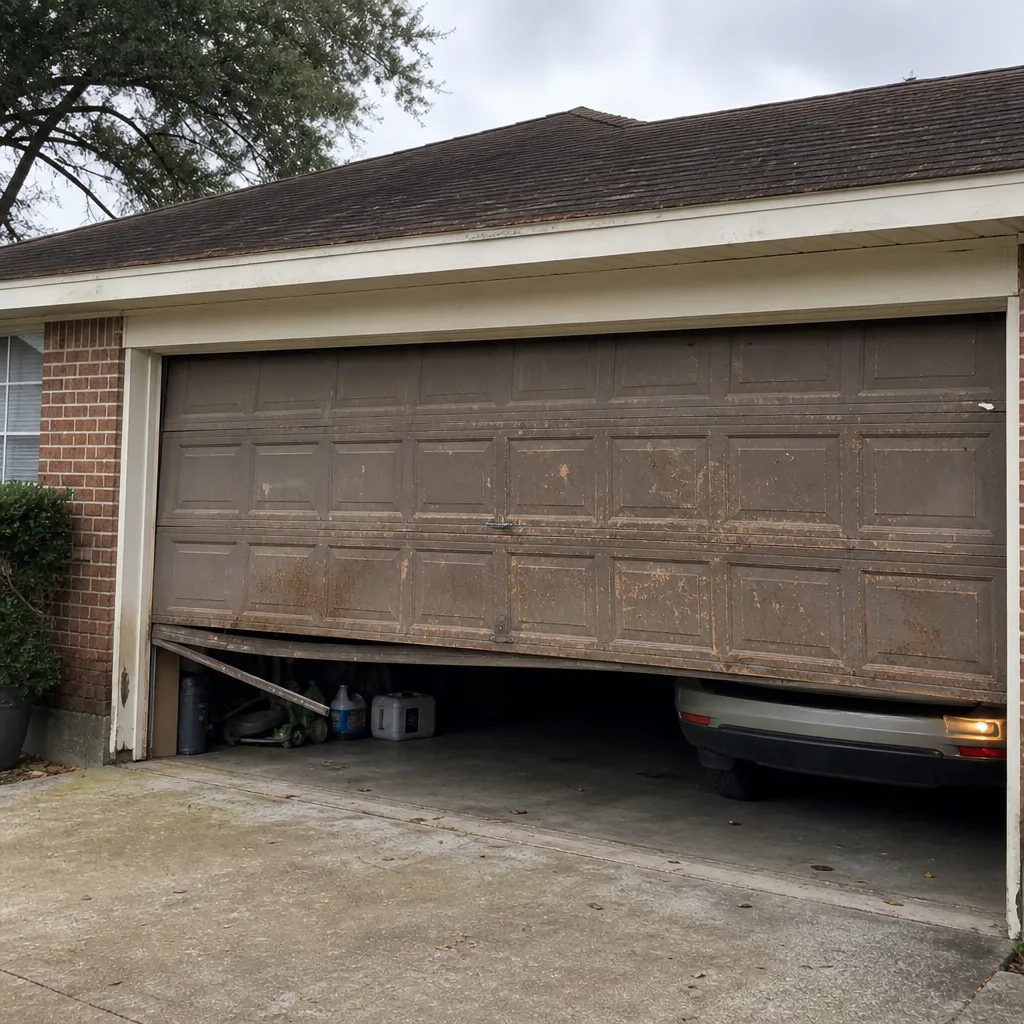
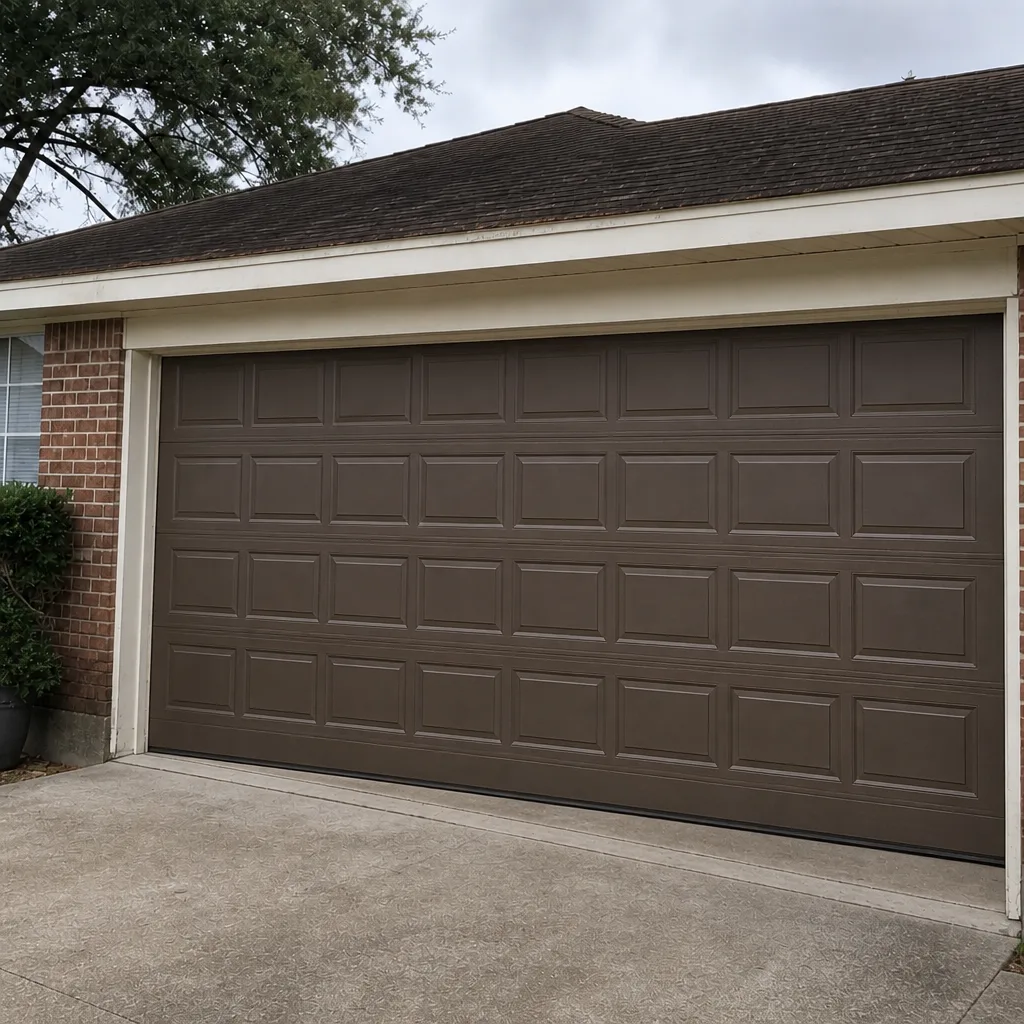
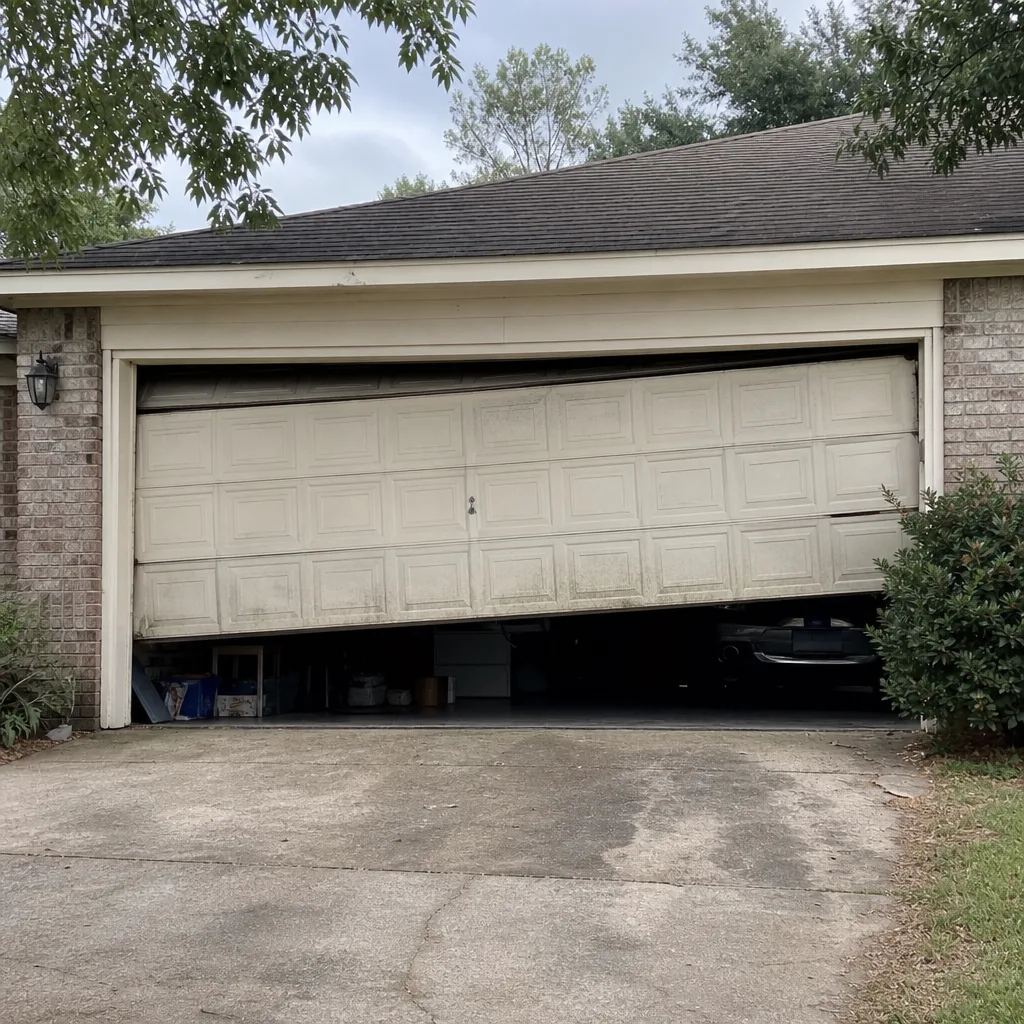
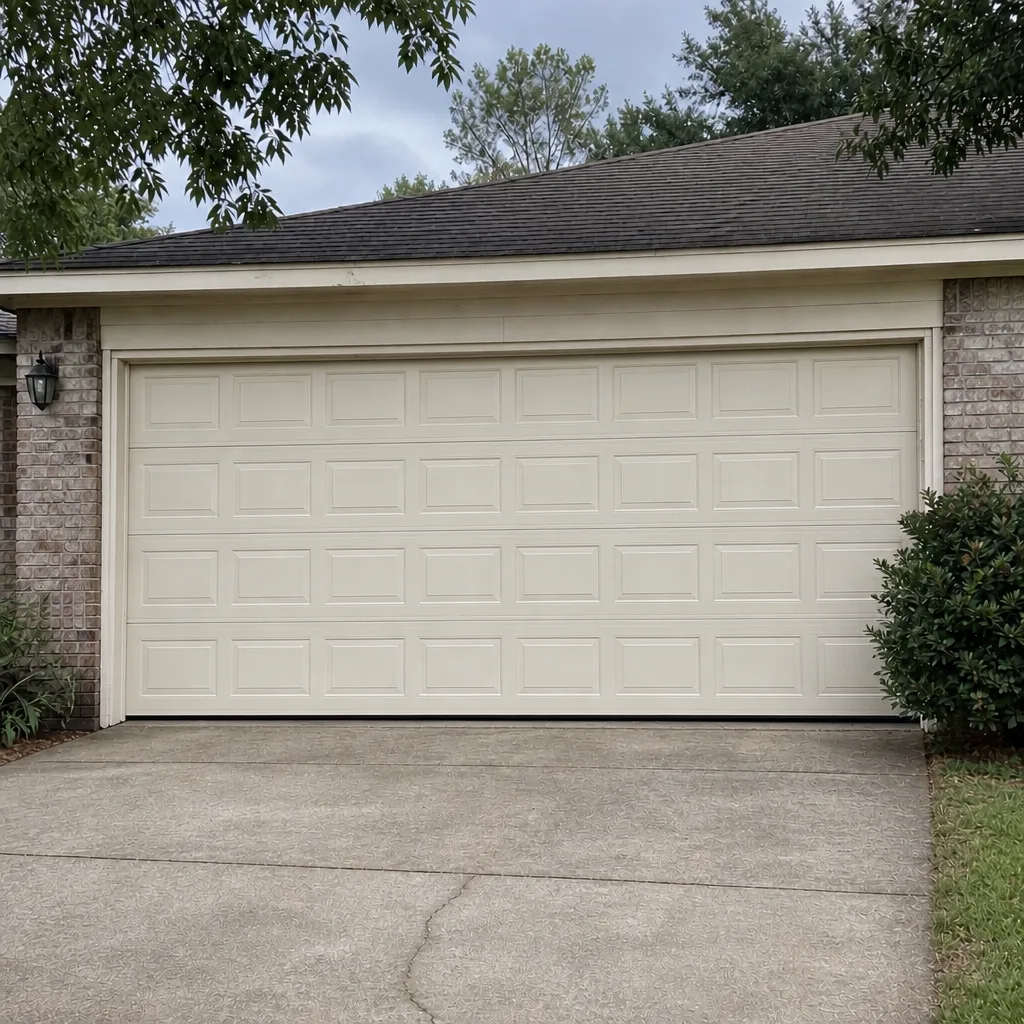
See the difference
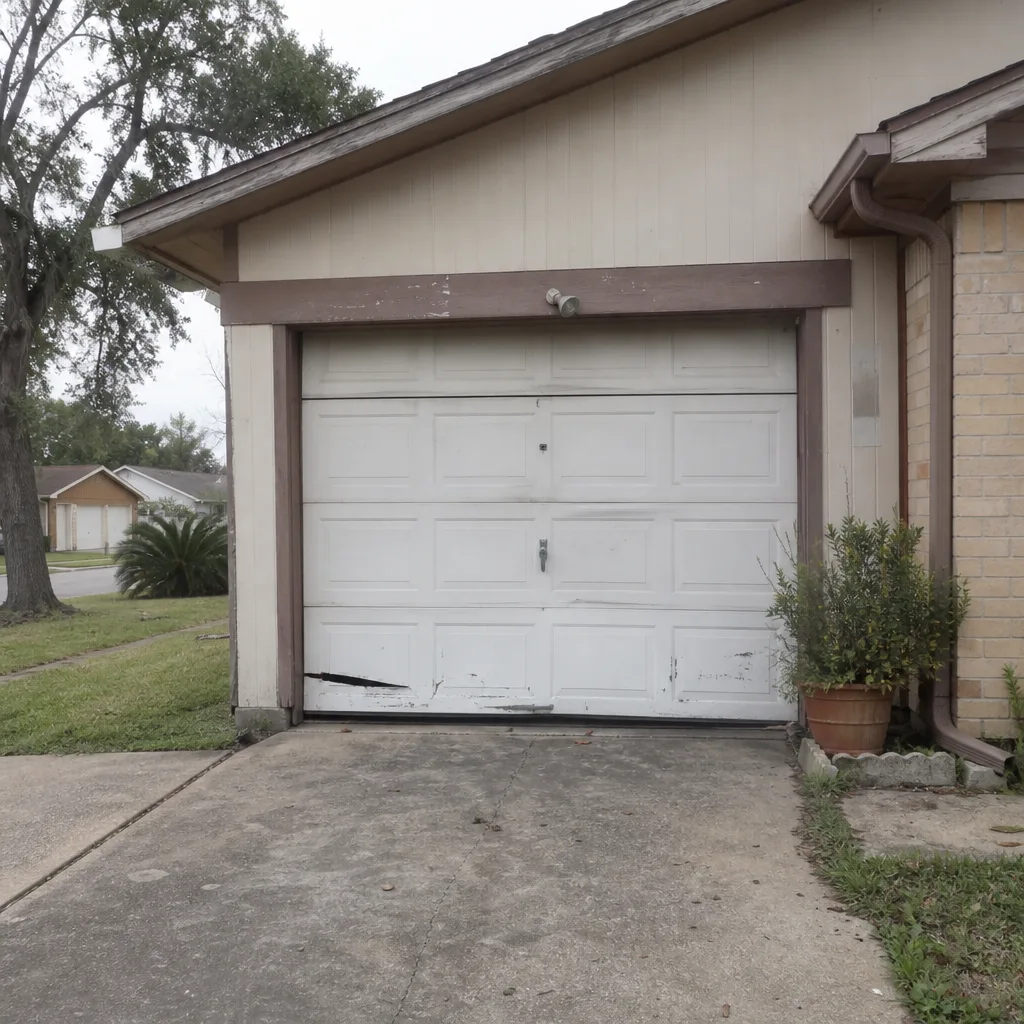 Before
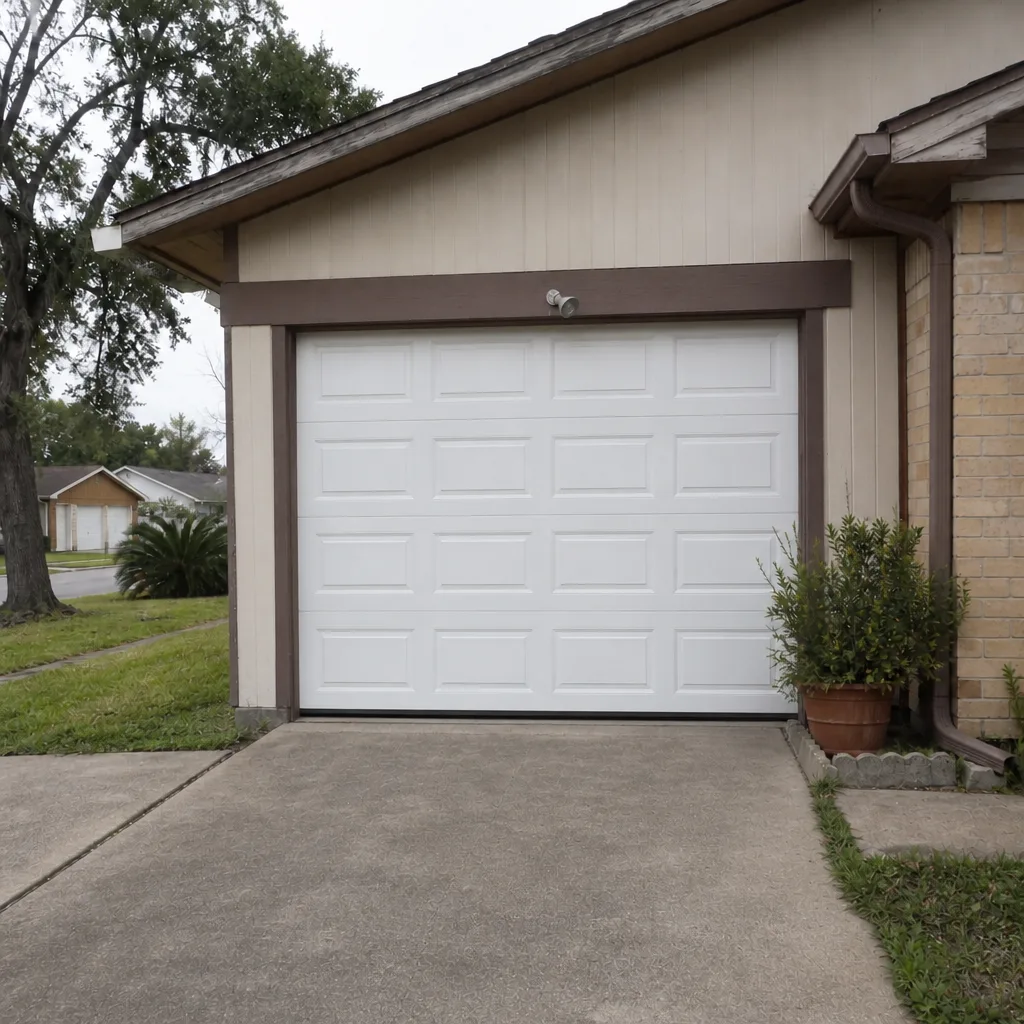 After
 Before
 After
 Before
 After
When to Call a Professional
Some jobs are routine upkeep. Others should never be a DIY project in Spring or anywhere else. Call a professional if you find a broken or severely rusted spring, a frayed or slack cable, a loose or pulled anchor plate, a bent track, a damaged bottom bracket, or a door that’s binding or running off balance. Any of these involve high-tension components or structural alignment that can cause serious injury if handled wrong. Gaps in the door, a door that won’t reverse on the safety test, or an opener that’s lost its calibration are all good reasons to bring someone in as well. Spring Garage Door Repair Pros offers free estimates in Spring, and our technicians have up to 10 years of experience with torsion and extension springs and every major door and opener brand. Call (855) 337-1360 to book a free estimate.
Frequently Asked Questions
Yes, and the reason is that the local seasons replace cold-weather damage with humidity and heat damage. Spring doesn’t get the deep freezes that crack and freeze components, but it gets a long humidity season that corrodes springs and heat that moves seals and tracks. A seasonal schedule built around the local climate catches the failures that actually happen here, which is why the mild window is used for spring replacement and the summer months for corrosion and seal checks.
In Spring, TX, the best time to replace springs is the mild window from November through February. Cooler, drier air gives you accurate tension calibration and stable measurements, so the door is properly balanced when the job is done. If a spring fails during the hot months, it still needs to be replaced right away, but a planned replacement in the mild window avoids heat-related calibration issues.
After a Harris County hail event, check more than the panels. Look at the tracks for alignment, the bottom bracket for damage, and the cables for fraying or slack, then test the opener’s safety reverse. If the door is binding, a cable looks damaged or a bracket seems loose, stop operating the door and call a professional, because the high-tension parts are dangerous to work on. Reach us at (855) 337-1360 for a free estimate.
Because a dark-colored door facing west in Spring can reach surface temperatures well above the air temperature, and that heat moves the door’s materials. The bottom seal retainer can bow or loosen, and paint on panel overlays can bubble at the edges on the sun-facing side. Monthly checks during the heat months catch these early, before the movement causes a bigger repair.
You can apply a light rust-inhibiting lubricant to the visible coil surface, but you should never adjust, unwind or disassemble the spring itself. The spring is under high tension, and mishandling it can cause serious injury. If you’re unsure, or if you see rust powder around the anchor plate, have a technician handle it. Our technicians have up to 10 years of experience with spring systems from every major door brand.
It depends on the door’s condition and the parts involved. Regular seasonal maintenance keeps most doors running well for a long time by catching small problems early. When the door’s structure, panels or hardware are worn out, a full garage door installation may make more sense than repeated repairs. A professional inspection will tell you which situation you’re in.
The Bottom Line
Garage door care in Spring, TX is about following the local cycle rather than a generic four-season calendar. Storm prep belongs in April and May, humidity and heat checks dominate June through September, and the mild window from November through February is when you schedule spring replacement, opener resets and weatherseal work. Do a fast monthly check, avoid the common mistakes, and hand the high-tension jobs to a professional. That simple rhythm catches most failures before they happen. If anything looks off, or if you’d rather leave the whole schedule to us, call (855) 337-1360 for a free estimate.
Our technicians have up to 10 years of experience, which is why spring and repair work is at the center of what we do. If you need an opener diagnosed or reset, our garage door opener repair service handles the leading smart and legacy models. From a single broken component to a full new system, one call covers it. Spring Garage Door Repair Pros works on garage doors exclusively, which means we handle the brands you own, including Clopay, Chamberlain and Wayne Dalton, and we stock replacement parts so you’re not waiting on an outside supplier.
Written by the team at Spring Garage Door Repair Pros.