Last updated November 21, 2026
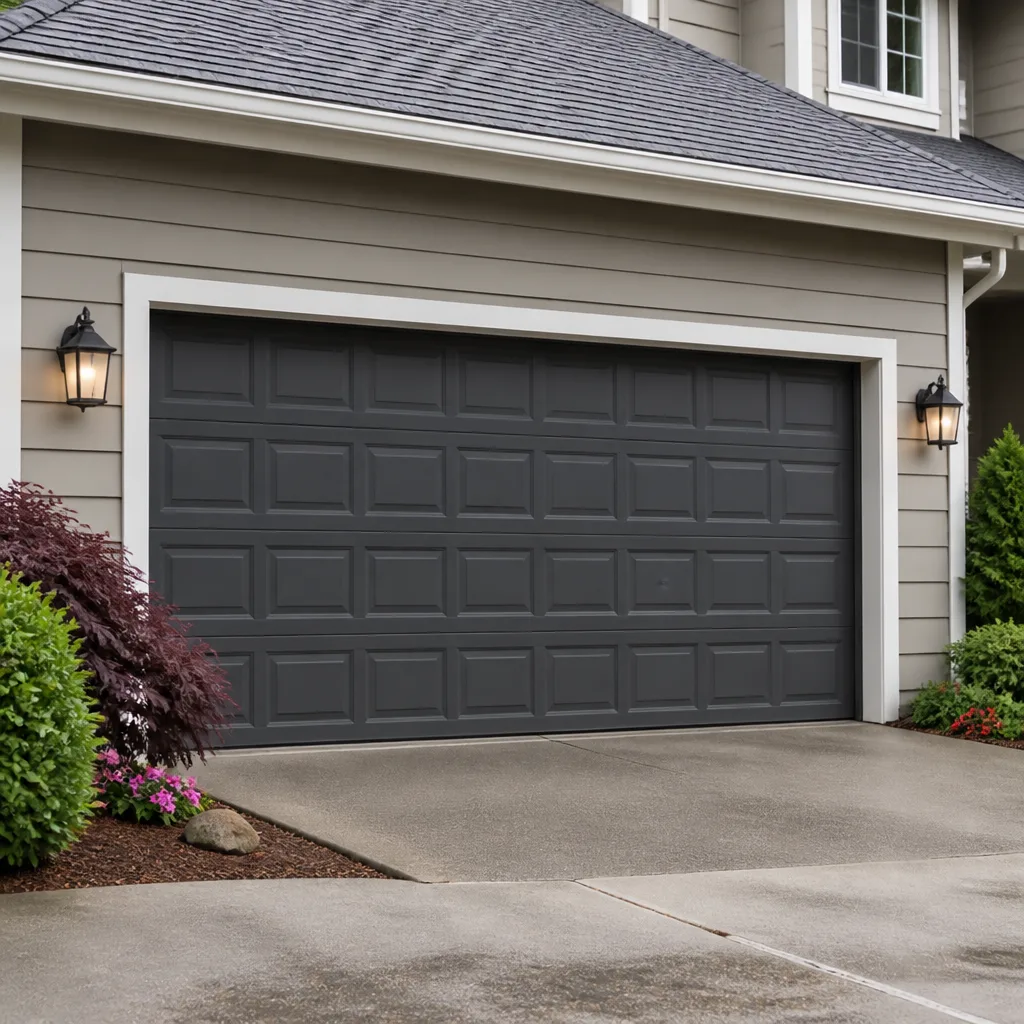 Raised-panel steel
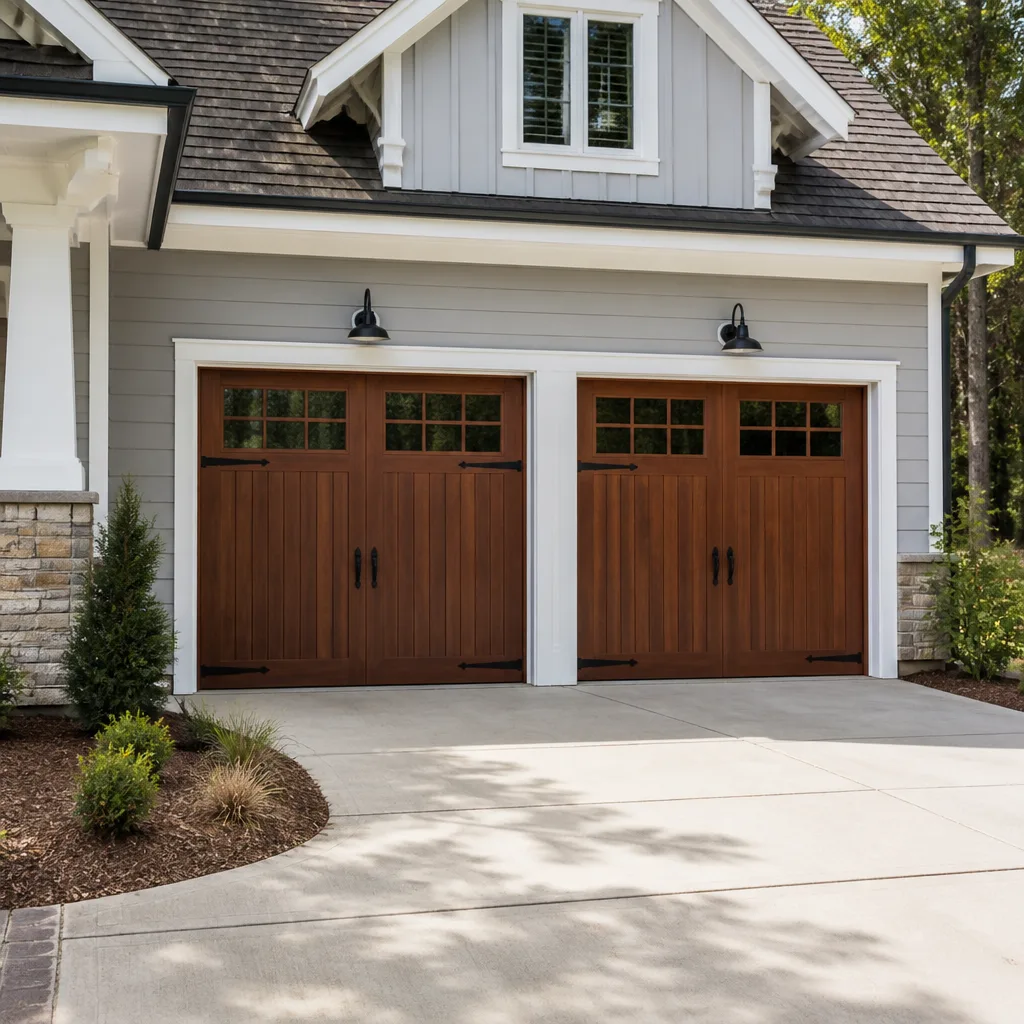 Carriage house
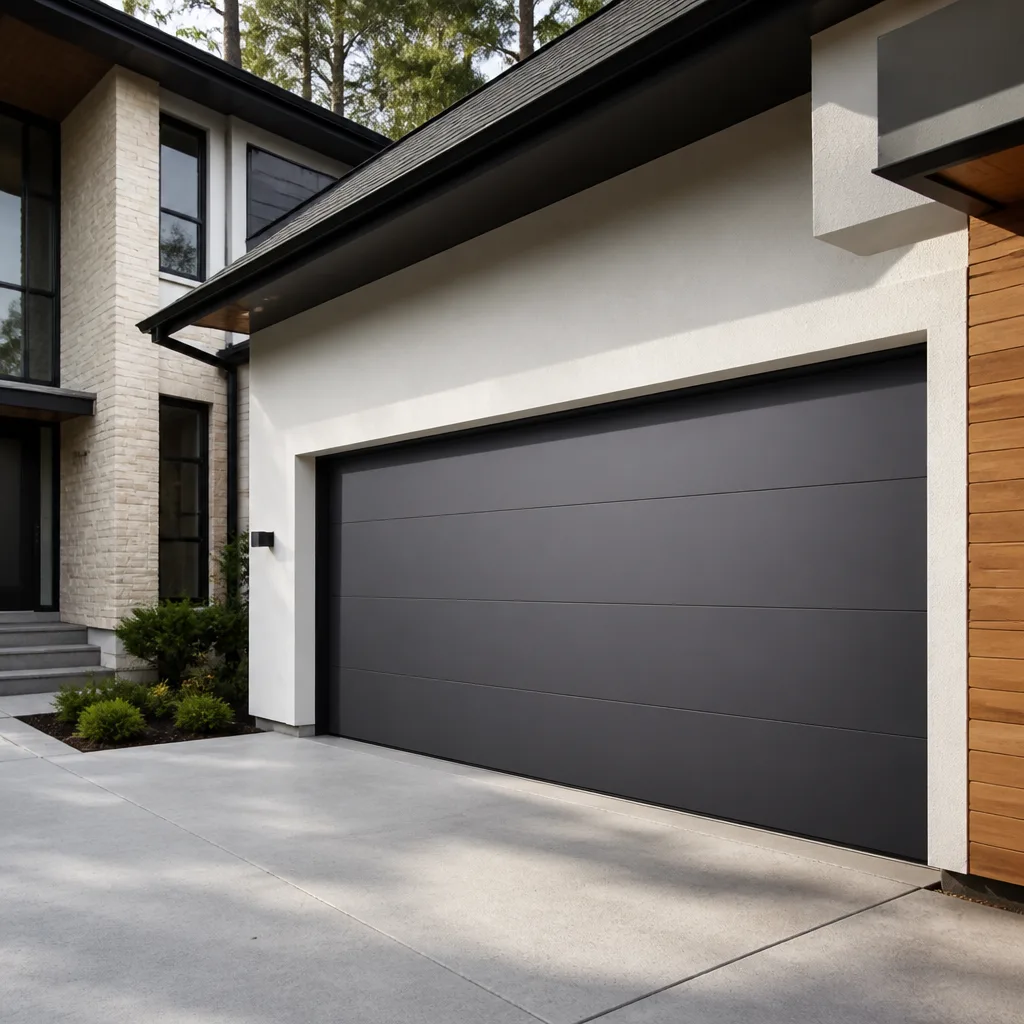 Modern flush
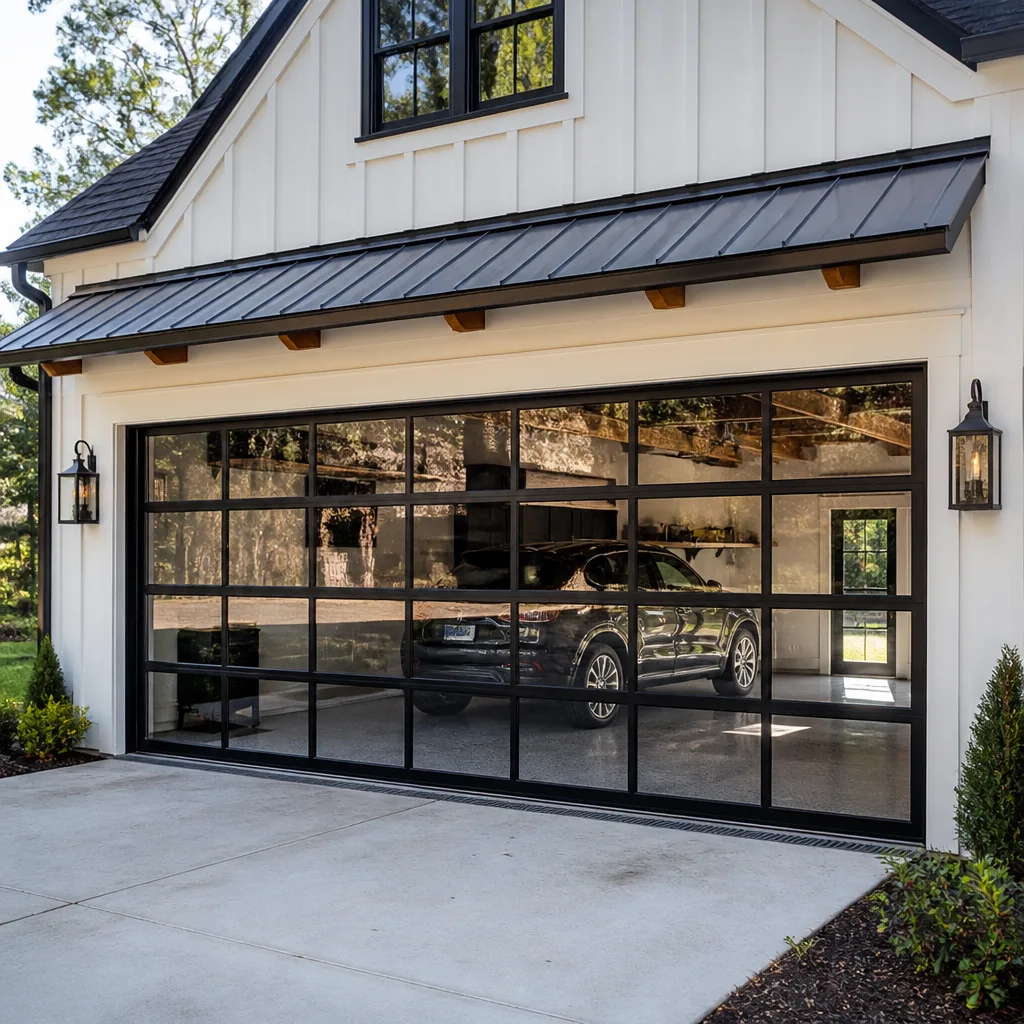 Full-view glass
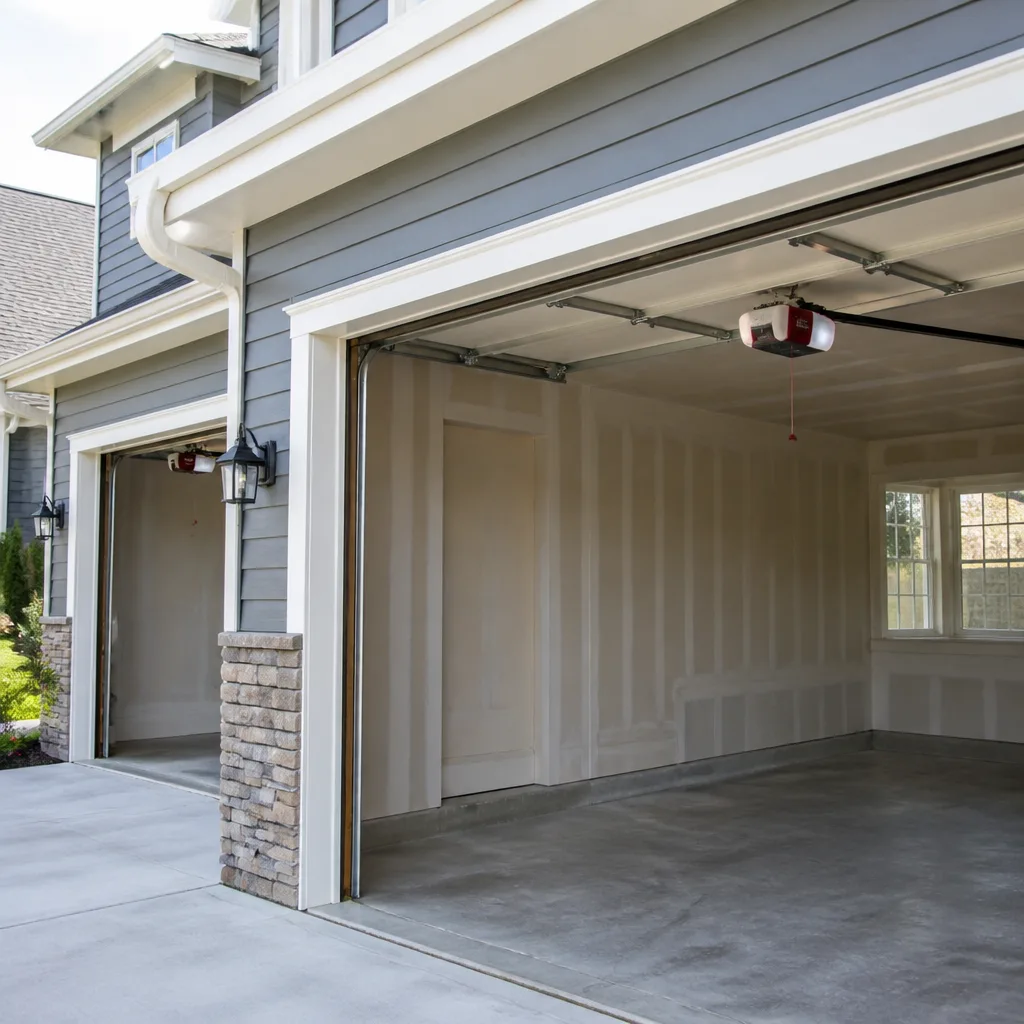 LiftMaster openers
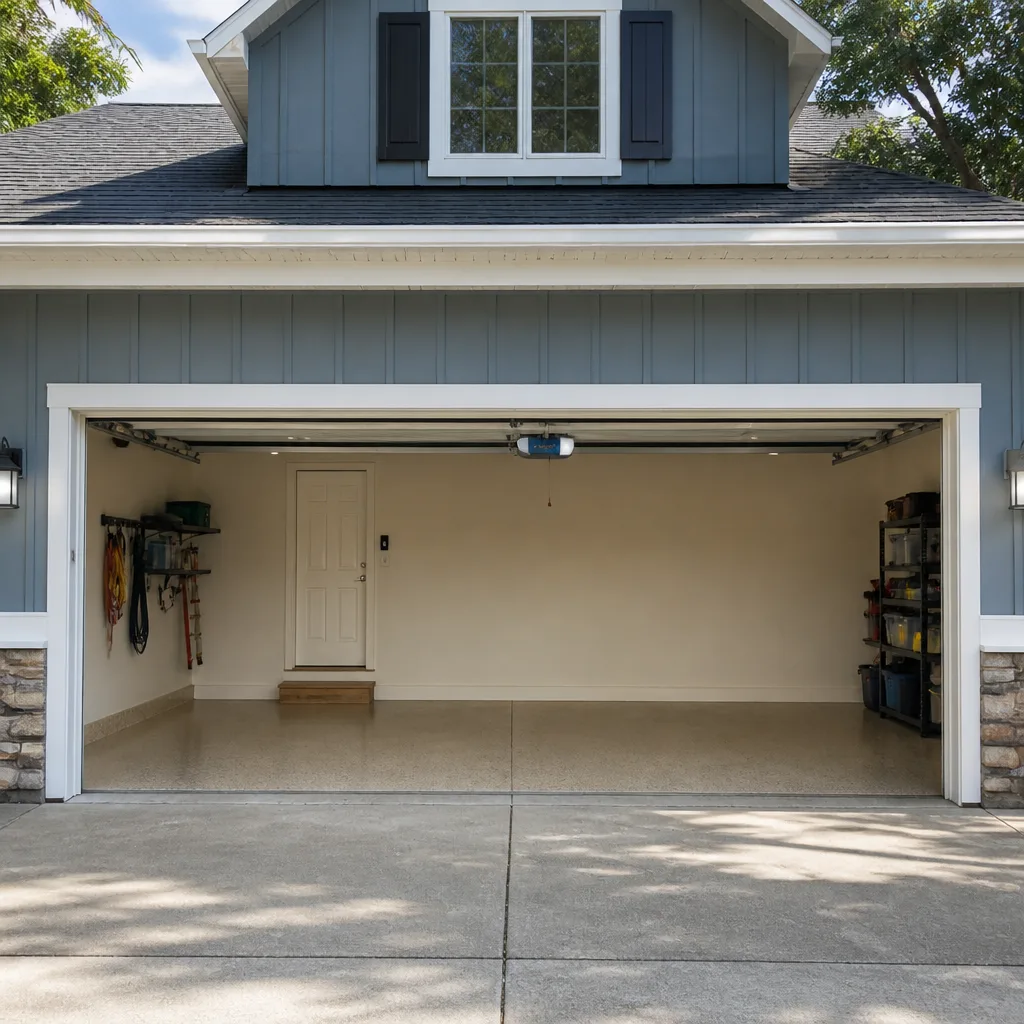 Chamberlain openers
Full 25-point door and opener safety check with every visit - springs, cables, rollers, tracks, and your LiftMaster or Chamberlain opener included
You get a price before we start. It does not change when the pro arrives.
Get your free estimateGarage Door Warning Signs: A Spring Homeowner’s Reference Guide
A garage door that hesitates for two seconds before it moves isn’t “getting old.” That lag is an opener logic board or a motor capacitor signaling the end of its service life, and the same two-second pause will turn into a full non-start on a weekday morning when you’re already running late. Most warning-sign lists hand you a pile of symptoms and leave you guessing what they mean. This guide does the opposite. We pair each thing you can see or hear with the component actually producing it, so you can walk into your garage in Spring, watch the door once, and know whether you have a 72-hour problem or a stop-using-the-door-now emergency. Spring doors live through hot, humid summers and mild winters, and that rhythm shapes which parts wear first.
Quick Answer
A garage door showing one broken torsion or extension spring, a door that moves unevenly side-to-side, a loud bang from above, or a door that reverses without an obstruction is an emergency: stop using it and call a technician. Squealing, grinding, or a two-second delay before movement are monitor-and-schedule problems you should book within the week. The one thing that separates a cheap fix from a dangerous one is matching the symptom to the right component before you touch anything.
Styles & brands we work with
- Raised-panel steel
- Carriage house
- Modern flush
- Full-view glass
- LiftMaster openers
- Chamberlain openers
Table of Contents
- Sound Diagnosis: What Each Noise Tells You
- Reading Your Springs: Gap, Rust, and Stretch
- Opener Behavior That Predicts Failure
- The 90-Second Asymmetry and Cable Test
- Normal Wear Versus Imminent Failure
- Brand-Specific Warning Signs
- Seasonal Patterns in Spring, TX
- When to Call a Professional
Sound Diagnosis: What Each Noise Tells You
Noises are the fastest diagnostic tool you have, and each one points to a different piece of hardware. Listen once with the door closed, then again as it opens. In our experience, homeowners describe the sound imprecisely, so we’ve broken it down by the exact hardware that produces each one.
- Grinding – metal-on-metal contact, usually worn rollers riding a dry or bent track, or a torsion spring dragging on its center bearing plate. Grinding accelerates wear fast.
- Popping – a torsion spring coil jumping as it winds, or a cable jumping a drum. This is the loud one people hear from inside the house.
- Squealing – dry hinges, rollers, or a dry torsion shaft. This is the most fixable and the least dangerous.
- Slapping or banging – loose door panels, a worn bottom bracket, or a door hitting the floor because the travel limit is set too low.
- A single sharp bang – a torsion spring breaking. This is the one that stops everything.
If the sound is a sudden bang, treat the door as out of service and leave it down until a technician arrives. If it’s a continuous squeal, note it, lubricate nothing yet, and book a routine garage door repair visit. The distinction matters because a broken spring will not announce itself twice, while a squeal will get worse slowly enough that you can plan for it. In Spring, the humidity keeps metal parts working against each other, so squeals tend to appear before grinding.
Reading Your Springs: Gap, Rust, and Stretch
Springs live above the door on the torsion shaft or along the sides as extension springs, and they tell you their condition visually if you know what to look for. The single most important rule: any visible gap in a torsion spring coil is an emergency stop-using-the-door condition. When a torsion spring breaks, the coil separates and creates a gap you can see. That spring is no longer holding the door’s weight, and the door can drop without warning.
Surface rust without pitting is a different story. A light rust film on a spring means moisture has been working on the steel, and that’s a monitor-and-lubricate condition. You watch it, keep the door operating smoothly, and plan a spring replacement rather than stopping everything. Pitting, flaking, or a stretched-out extension spring that no longer returns to shape is closer to the emergency end.
- Look straight up at the torsion spring coil and run your eye along it. A clean gap means broke.
- Check for rust color and texture. A thin orange film is watch-level; flaking metal is replace-level.
- On extension springs, check that the coils still sit close together. Stretched, spaced-out coils mean the spring is tired.
- Look for the safety cable running through each extension spring. No cable means any future break sends the spring across the garage.
Spring work is the most dangerous part of a garage door, and it isn’t a job to improvise. A wound torsion spring stores enormous tension, and handling it without the right tools and training can cause serious injury. When in doubt, don’t touch it: this is exactly the kind of failure that Spring Garage Door Repair Pros handles as a core specialty, because spring failure is the most common and most dangerous garage door problem there is.
Opener Behavior That Predicts Failure
Openers broadcast their problems through timing, lights, and partial movement long before they die. A two-second hesitation before the door moves points to a weakening motor capacitor or a logic board that’s struggling to command the motor. That lag will eventually become a dead start, usually on a morning when the whole household is trying to leave. Opener brands each have their own tell, and knowing yours helps you describe the problem accurately when you call.
- LiftMaster – error code blink sequences on the up/down arrows or the wall control. The count and pattern of flashes codes the fault, so count them before you forget.
- Genie – a red or green LED pattern on the power head. Red usually points to a safety-sensor or travel problem; green is a pulse or logic signal. Note the color and pattern.
- Chamberlain – rapid blinking on the main light often means the safety sensors are misaligned or blocked, while a slower repeated blink codes a limit or force fault.
- Motor runs but door doesn’t move – that’s a stripped drive gear or a broken sprocket inside the operator, not a dead motor. The motor spins; the gear that grabs the door has worn out.
That last one fools people every time. The opener hums, the light comes on, but the door sits still, and the homeowner assumes the motor is gone. It usually isn’t; the drive gear is. Because that part is replaceable, this is a repair rather than a replacement, which is why dedicated garage door opener repair matters. We work across LiftMaster, Chamberlain, Genie, and the legacy opener brands because most houses in Spring have one of these power heads mounted overhead.
The 90-Second Asymmetry and Cable Test
You can sort a spring problem from a cable problem from a track problem in about 90 seconds, standing in the garage with the door closed. The test is visual and does not require you to touch springs, cables, or moving parts while the door is under load. Here’s how to run it.
- Watch the door move for asymmetry. Stand back and open the door one cycle. If one side rises before the other, the door is moving unevenly side-to-side, and that’s an emergency stop sign. A level door moves as a single unit; an uneven door is fighting an unequal spring or a slack or broken cable.
- Check cable slack. With the door down, look at both lift cables where they run to the drums at the top corners. A taut cable on both sides is normal. A drooping, loose, or off-the-drum cable on one side means a cable failed, and the door should not operate.
- Scan the tracks. A track that’s bent, bowed out, or pulled away from the jamb is a track problem, not a spring problem, and it will drag the door sooner or later. A track that looks straight but the door still binds points back to springs or cables.
That sequence tells you which system is at fault before you pick up the phone, which makes the call faster and the estimate clearer. If the door is uneven or a cable is slack, stop. If the tracks are fine and the cables are taut but the door feels heavy, the springs are losing tension. In Spring, the mild winters mean doors don’t get the obvious seasonal swings that signal worn springs, so the asymmetry test is worth running every few months.
Normal Wear Versus Imminent Failure
Some warning signs are actually normal, and treating them as emergencies wastes a service call. Others look minor and signal a catastrophic failure on the way. Sorting the two is the most useful skill this guide can give you, especially for a Spring homeowner whose door works year-round in a climate that doesn’t hammer it the way colder cities do.
- Normal: minor seasonal squeaking after a stretch of wet weather, a brief reversal on the first cold morning, a little chain slack, and light dust on the rollers.
- Normal: the door hesitating for a fraction of a second when the outside temperature dips is a cold-weather quirk, not automatically a failure sign, as long as it starts reliably.
- Dangerous: the door moving unevenly side-to-side, a gap in a torsion spring, a loud bang, a cable off its drum, or a door that reverses the moment it touches the floor.
- Dangerous: a door that runs but doesn’t lift, an opener that trips the breaker or smells hot, or a bottom bracket pulled loose.
The “looks minor but isn’t” category deserves a second read. Slow, uneven movement is easy to dismiss as a quirk. So is a door that reverses after a hard close. Both point to a spring or safety-system failure that can drop a door or damage panels. When a sign is on the dangerous list, treat it as a stop-using-the-door condition and get a specialist out. When it’s on the normal list, note it, keep an eye on it, and bring it up at your next service.
Brand-Specific Warning Signs
Different door and opener brands fail in slightly different ways, and knowing yours helps you describe a problem precisely. Spring Garage Door Repair Pros services and installs products from LiftMaster, Chamberlain, Genie, Clopay, Amarr, Wayne Dalton, Craftsman, and Raynor, so a homeowner rarely has to wonder whether a specific system is supported. Here’s what a few of the widely owned brands tend to do as they age.
- LiftMaster and Chamberlain – these share a lot of electronics, so if the wall control shows a blink code, the fix is often a sensor or logic part, not a whole new operator. Watch for the light blinking in a repeating pattern.
- Genie – the red/green power-head LED is your diagnostic. Note the sequence; it narrows the fault fast, whether it’s the sensors, the travel settings, or the motor.
- Raynor – Raynor doors are common on older builds, and the springs on them are worth a visual check for rust and coil gaps, since they’re often original.
- Clopay and Amarr – these panel systems show wear at the hinges and rollers first. A sagging or misaligned panel on a Clopay or Amarr door often traces to a hinge that finally gave out.
Brand knowledge shortens the diagnostic. A part that’s a known wear item on one maker’s operator isn’t the same part that fails on another’s, and door panel designs differ enough that matching hardware matters. If your opener is a LiftMaster, you don’t need a generalist guessing at blink codes; you want someone who knows the model family. That focused knowledge is the value of a garage-door-only team. We carry replacement parts rather than sending you to a third-party supplier, which keeps most repairs to a single visit.
Seasonal Patterns in Spring, TX
Spring’s weather shapes which garage door parts wear first, and it’s not the climate you’d expect. Winters here are mild, so doors don’t go through the hard freeze-thaw punishment northern cities see. What does happen is long, humid warm seasons that put steady work on the springs and metal hardware, and that changes the warning-sign profile a homeowner should watch.
Humidity is the quiet culprit. Damp air works on uncovered spring steel and hinges, so surface rust creeps in earlier than it would in a dry climate. That’s why a visual spring check is worth doing a few times a year here: a thin rust film is a monitor-and-lubricate condition, and catching it early means you replace springs on your schedule rather than after a bang. The mild winters also mean doors run almost year-round without the obvious cold-season noises that alert other homeowners, so the quiet failures (a spring losing tension, a capacitor weakening) can slip by unnoticed.
For homes across Spring, from the older neighborhoods near the rail lines to newer builds on the outskirts, the practical rhythm is the same: run the 90-second asymmetry test, glance at the springs and cables, and listen for the one sound that doesn’t belong. A door that’s been problem-free for years in this climate can still fail without much warning because the weather never forced the issue. Mild doesn’t mean maintenance-free; it just means you have to look a little more deliberately. When a check turns up something that needs a spring or opener fix, that’s the moment to schedule a proper garage door repair before a small symptom becomes a stranded car.
Common Mistakes to Avoid
- Assuming a two-second hesitation is normal aging. It’s a failing capacitor or logic board, and waiting turns a small repair into a full opener problem. Address it while the door still works.
- Operating a door with an uneven side-to-side movement. That sign means a spring or cable has failed, and running the door can drop it or bend panels. Stop and call.
- Trying to wind or replace a torsion spring yourself. Spring tension can cause serious injury without the right tools and training. This is the one repair to leave to a specialist.
- Ignoring a light rust film until the spring breaks. Surface rust without pitting means monitor and lubricate; flaking or pitting means replace. Know the difference before the gap appears.
- Misreading “motor runs, door doesn’t move” as a dead motor. It’s usually a stripped drive gear, which is a repair, not a replacement. Don’t buy a new opener until a technician checks.
- Confusing a bent track with a spring problem. The asymmetry and cable test sorts them, so you’re not replacing the wrong part. In Spring, the year-round use hides track wear, so check the tracks directly.
- Letting light rust sit through the humid months. In this climate, surface corrosion on springs and hinges moves faster than most homeowners expect. A glance twice a year keeps it on your terms.
See the difference
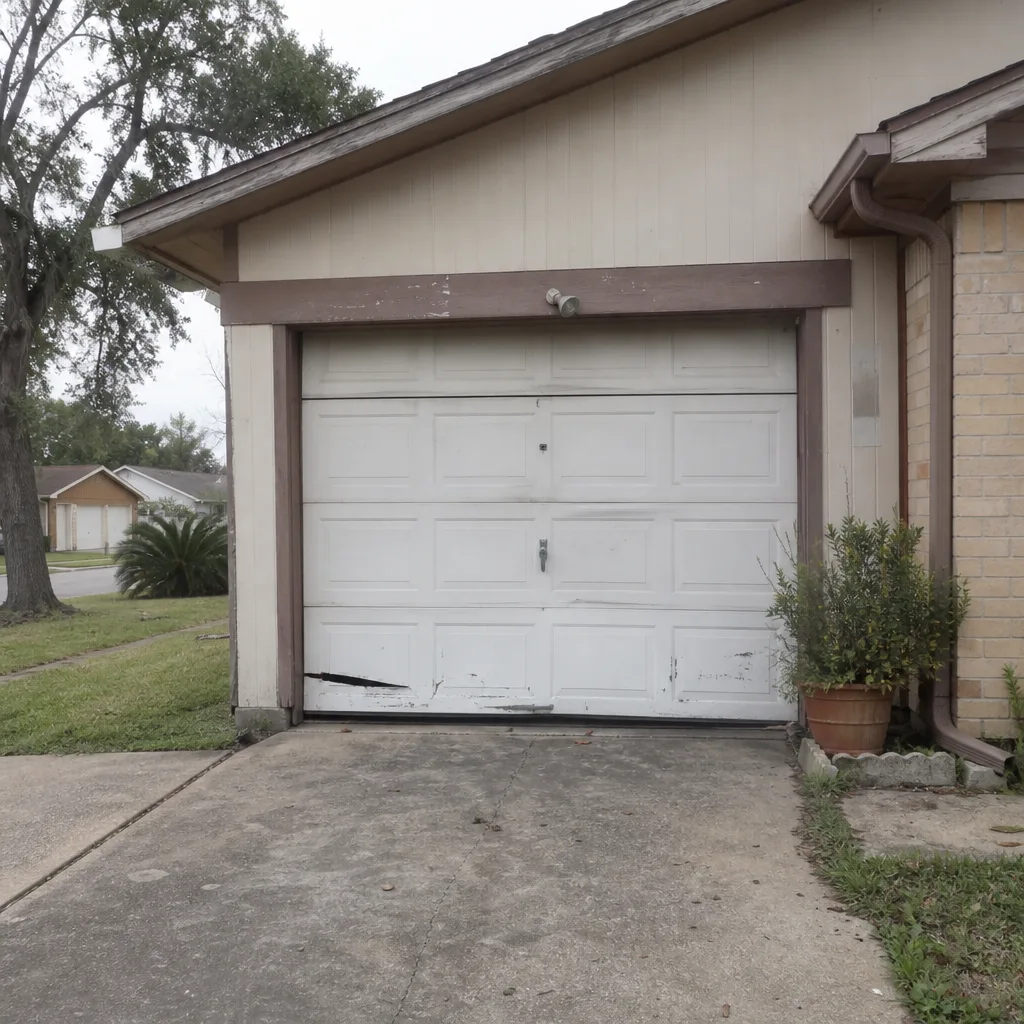 Before
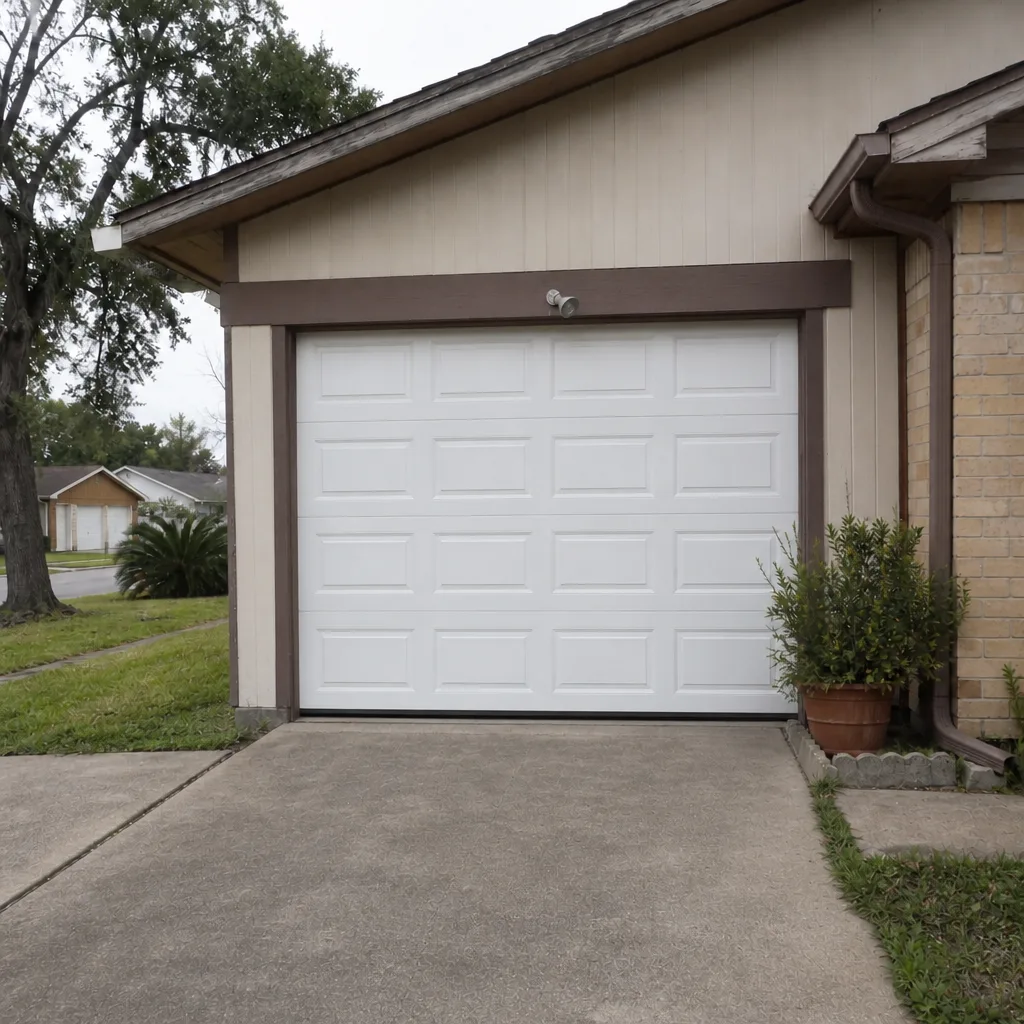 After
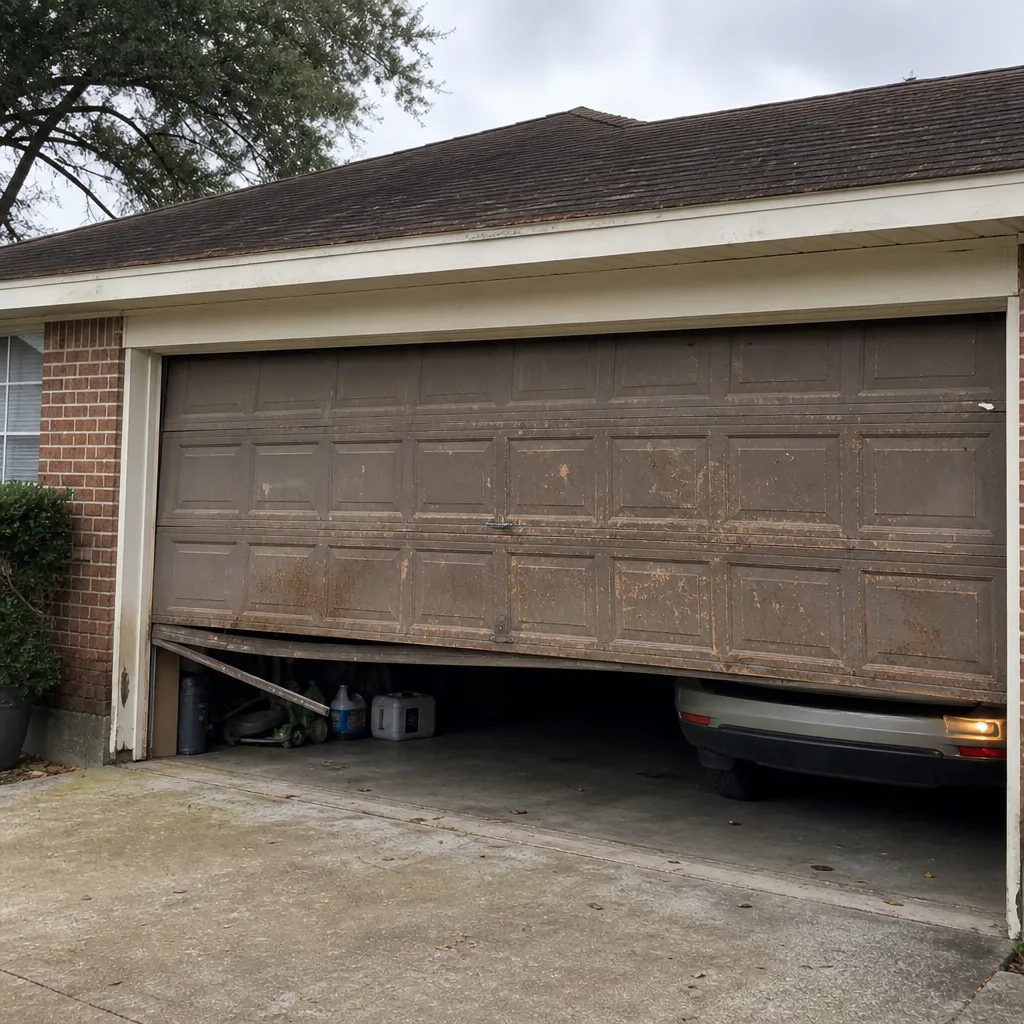 Before
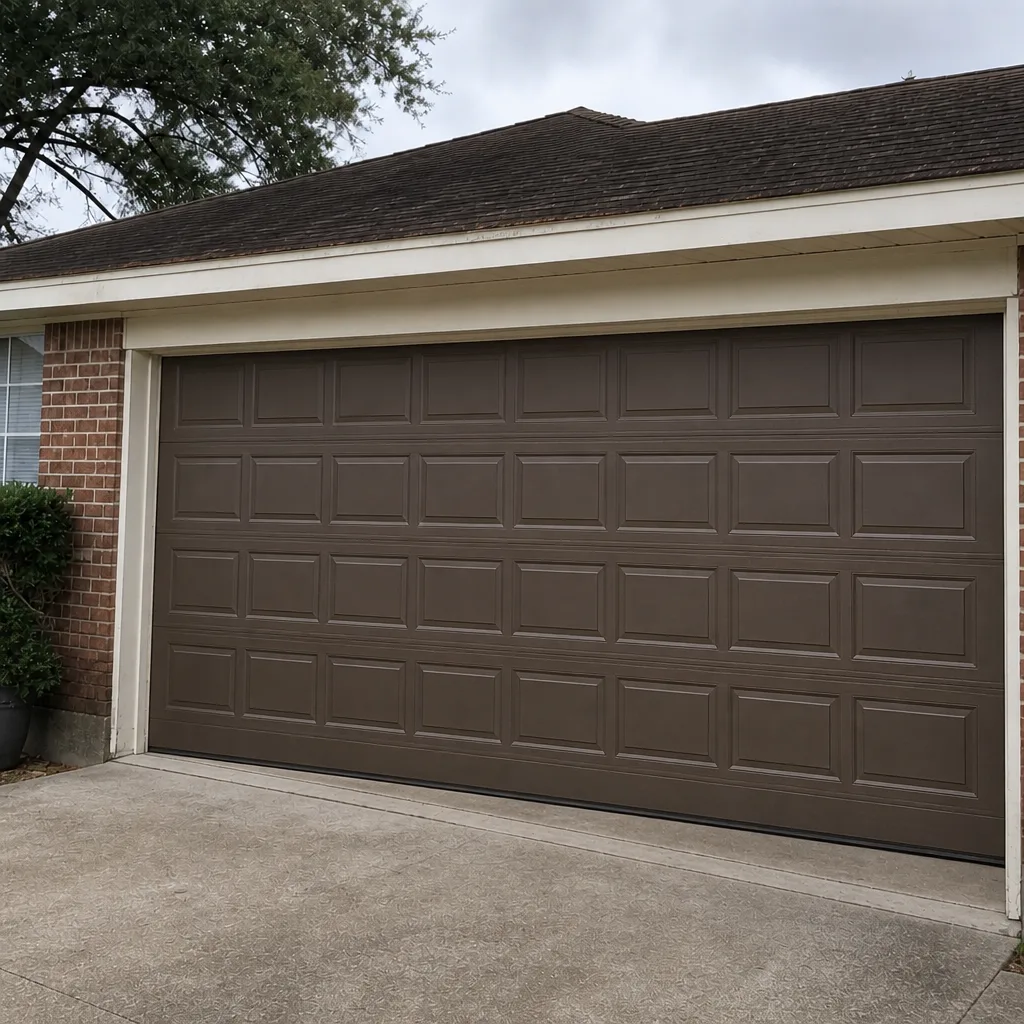 After
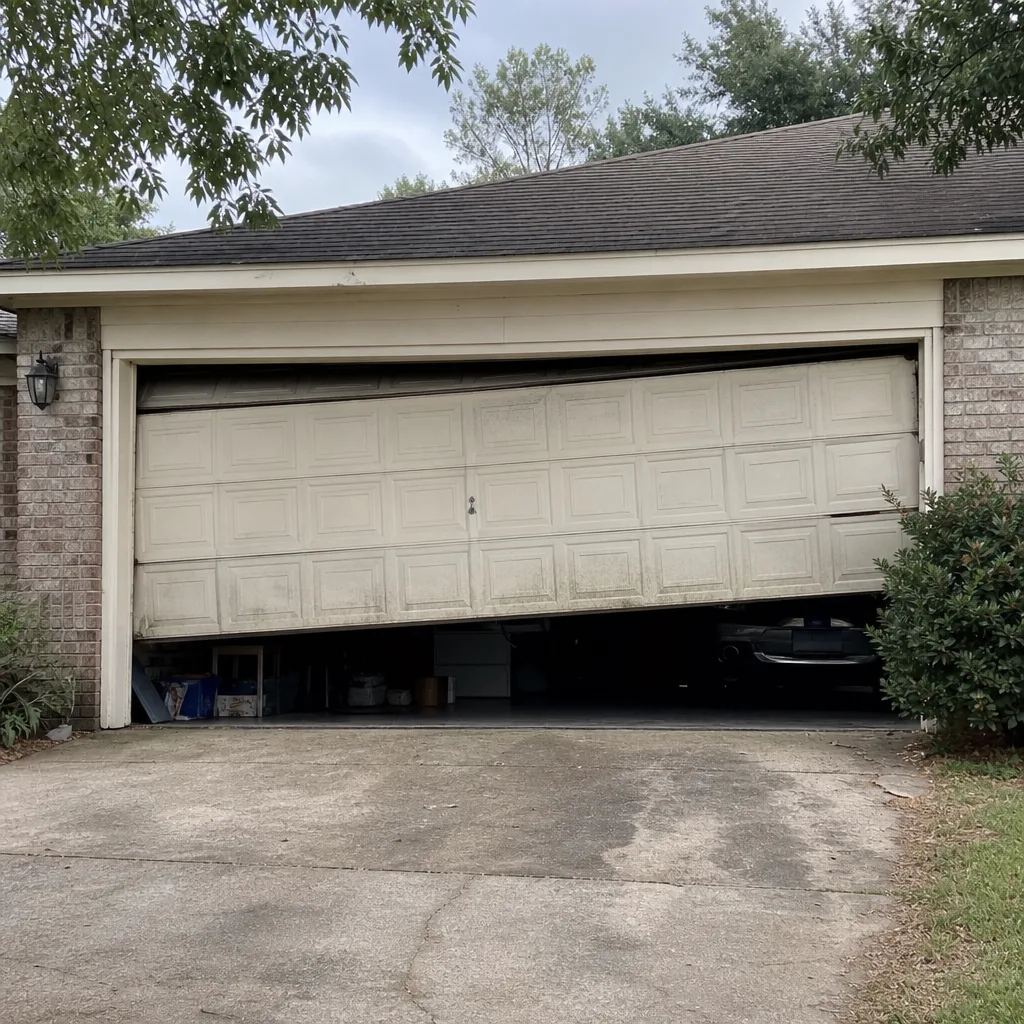 Before
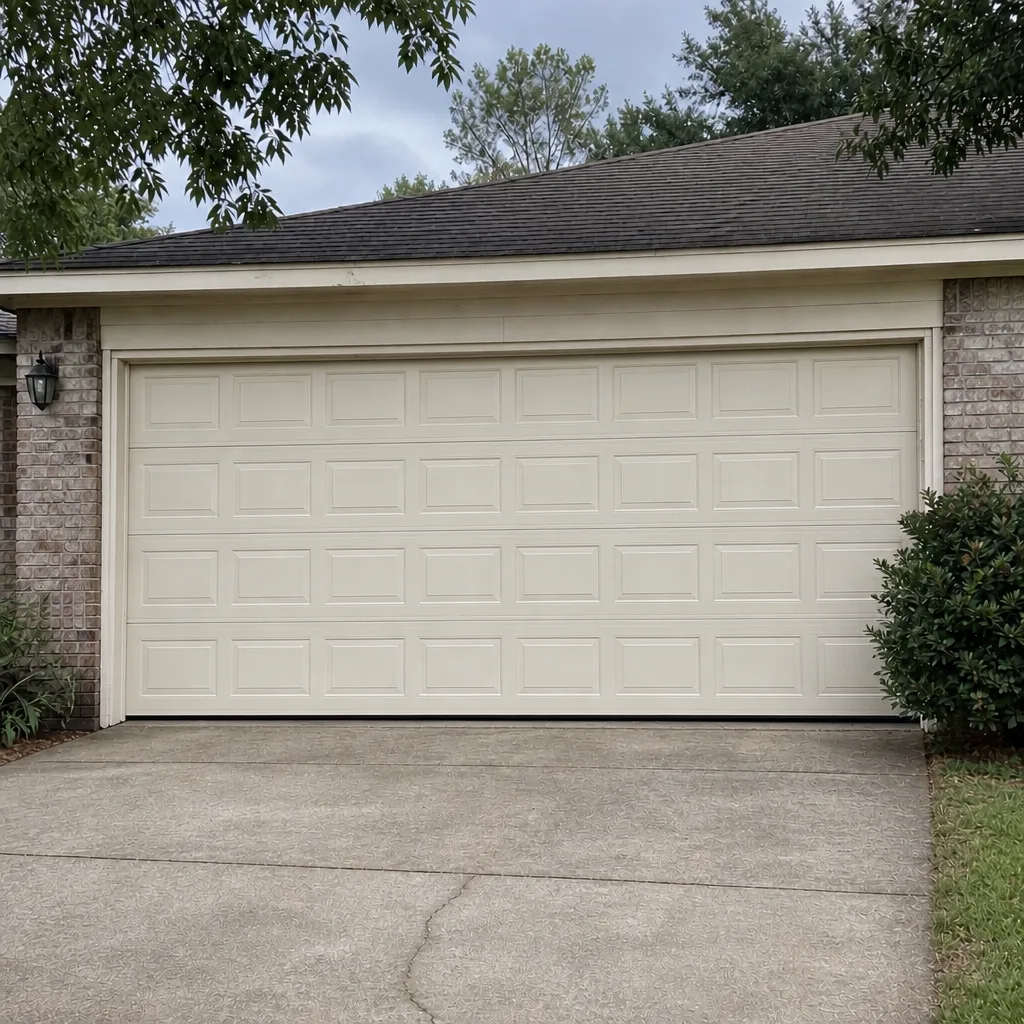 After
When to Call a Professional
Call a professional the moment you see a gap in a torsion spring, hear a single sharp bang, notice the door moving unevenly, spot a slack or off-drum cable, or find the opener running without lifting the door. Those are stop-using signals. Also call if your LiftMaster or Genie shows a blink or LED fault you can’t decode, if a door reverses without an obstruction, or if it’s been years since anyone inspected the springs and hardware. Because garage doors are all we do, our technicians have up to 10 years of experience matching symptoms to the right component. Spring Garage Door Repair Pros offers free estimates in Spring; call (855) 337-1360 and describe what you saw and heard.
Frequently Asked Questions
The most common warning signs are a broken torsion or extension spring, a door moving unevenly side-to-side, a loud bang from above the door, a motor that runs without lifting the door, and a two-second hesitation before movement. Each points to a different component, so the symptom tells you which part to check first. If you see a spring gap or uneven movement, stop using the door and call (855) 337-1360 for a free estimate.
A gap in the torsion spring coil means it’s broken and you should stop using the door; surface rust without pitting means it’s aging and you should monitor and lubricate it. That’s the whole difference: a gap is an emergency, a rust film is a watch-and-plan item. Broken springs are the most dangerous garage door failure, so don’t operate the door on a gap; call (855) 337-1360.
It usually means a stripped drive gear or sprocket inside the operator, not a dead motor. The motor spins, but the gear that engages the door has worn out, and that part is replaceable. Because the fix is a repair rather than a replacement, it’s worth a diagnostic before you buy a new opener; call (855) 337-1360 for a free estimate.
The signs are the same, but this climate hides them more than colder areas because doors run year-round without hard seasonal swings. The mild winters mean no dramatic cold-weather noises to alert you, and the humid warm months push surface rust onto springs and hinges earlier. Run the asymmetry test and check springs a few times a year so mild conditions don’t let a quiet failure slip by.
We can narrow it a lot if you describe what you saw and heard, though a technician confirms it on site. A slack or off-drum cable, an uneven door, or a bent track each points to a different system, and the 90-second asymmetry and cable test tells you which. Describe the symptom and we’ll book the right visit; estimates are free, so call (855) 337-1360.
Yes, minor seasonal squeaking and a brief reversal on the first cold morning are usually normal wear, not a failure. It becomes a problem when the squeak turns to grinding or popping, or the door reverses without any obstruction. When a symptom crosses that line, book a diagnostic; call (855) 337-1360 for a free estimate.
The Bottom Line
The power of this guide is the pairing: every warning sign maps to the exact component producing it, so you can tell a 72-hour problem from a stop-using-it-now emergency. A spring gap, a loud bang, uneven movement, or a slack cable means stop and call. A two-second hesitation, a squeal, or a light rust film means monitor and schedule. Run the 90-second asymmetry and cable test a few times a year, especially in Spring’s mild, humid climate, because quiet failures don’t announce themselves.
When a sign turns up, Spring Garage Door Repair Pros is ready. From a single snapped spring to a full new system, one call covers it. We work across LiftMaster, Chamberlain, Genie, Raynor, Clopay, Amarr, Wayne Dalton, and Craftsman, and spring work is what we do best. For a full garage door installation or a quick repair, the price is quoted and agreed before any work starts. Call (855) 337-1360 for a free estimate.
Written by the team at Spring Garage Door Repair Pros.