Last updated November 21, 2026
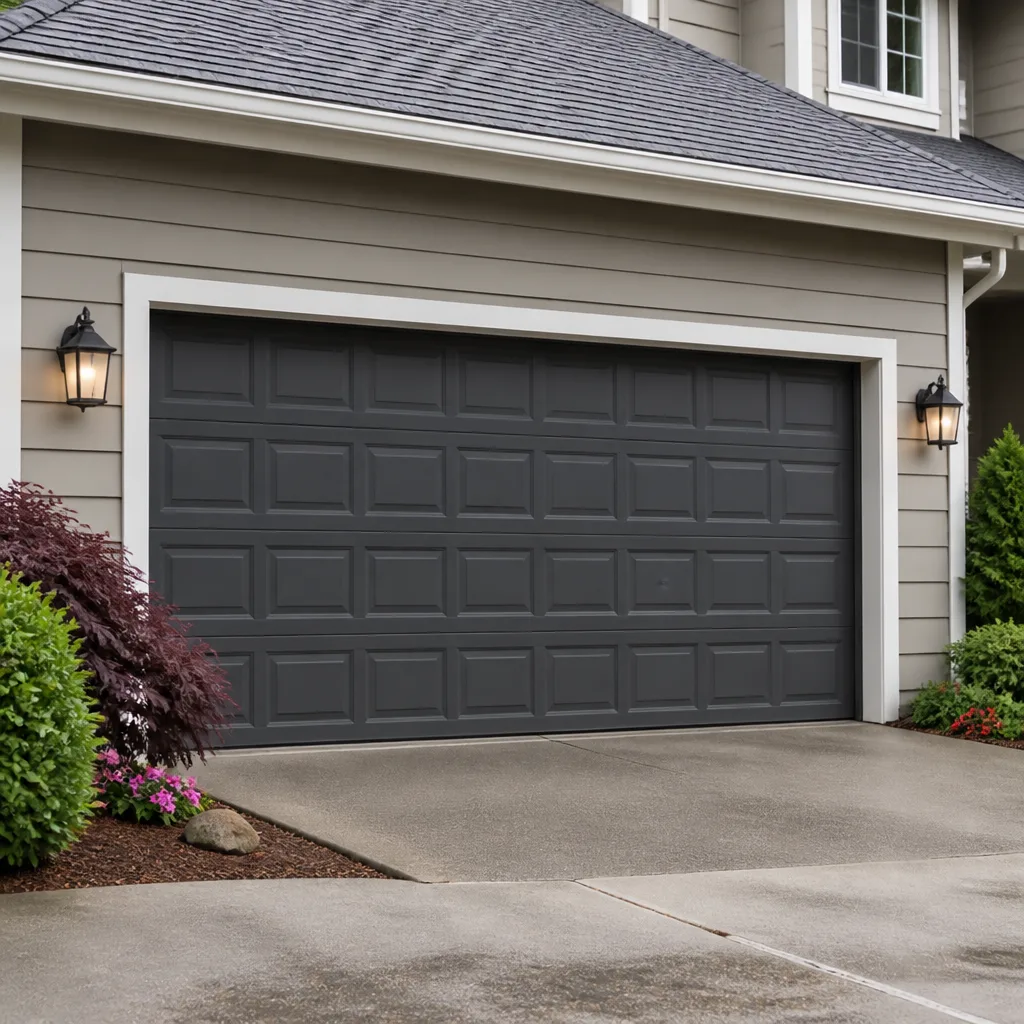 Raised-panel steel
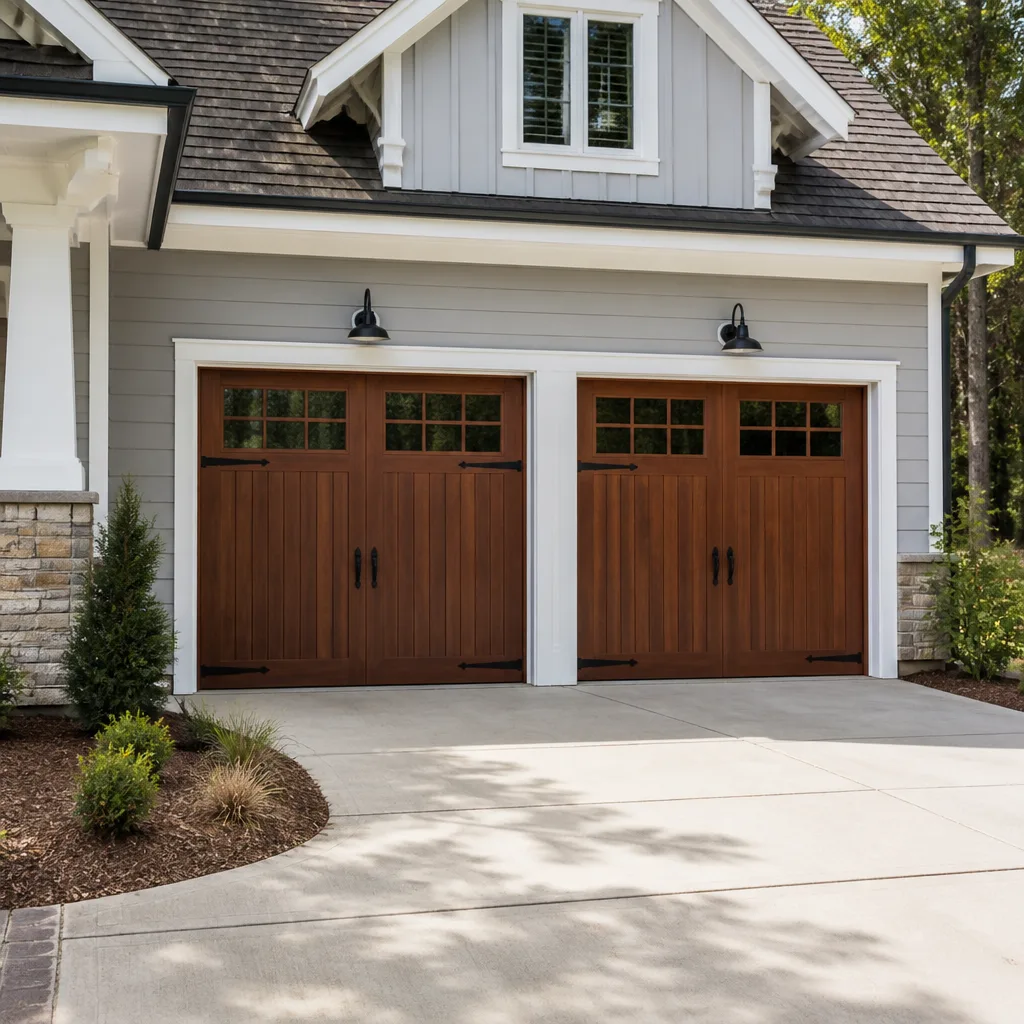 Carriage house
 Modern flush
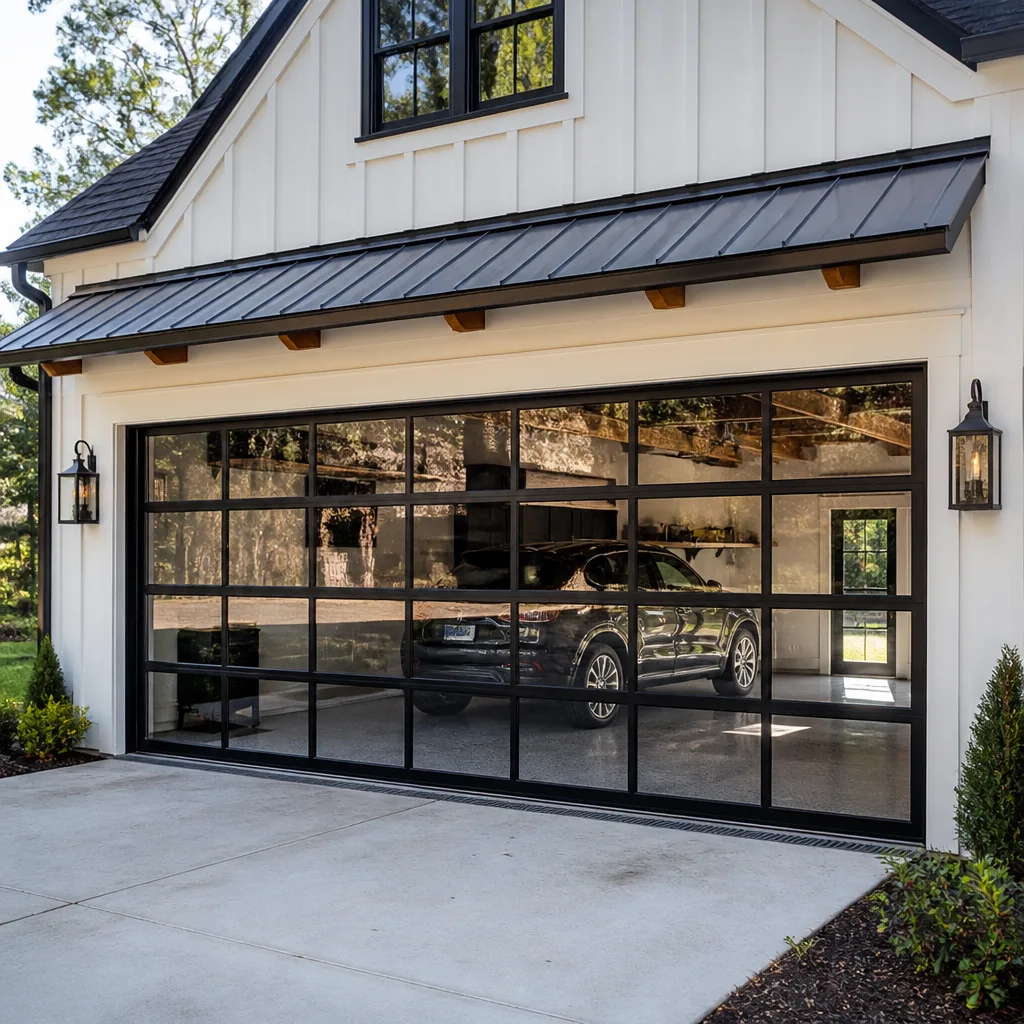 Full-view glass
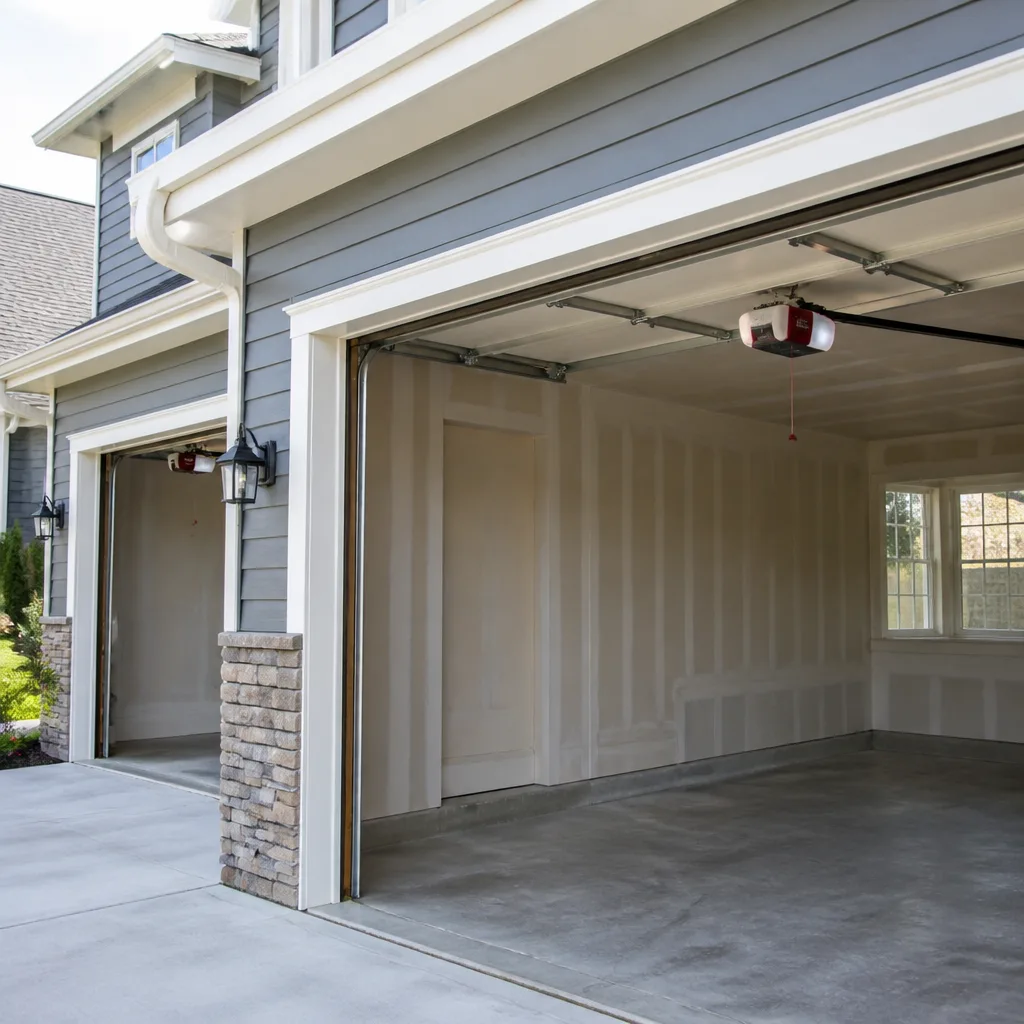 LiftMaster openers
 Chamberlain openers
Full 25-point door and opener safety check with every visit - springs, cables, rollers, tracks, and your LiftMaster or Chamberlain opener included
You get a price before we start. It does not change when the pro arrives.
Get your free estimateGarage Door Emergency Preparedness Guide for Spring Homes
Most homeowners in Spring treat the garage door as a convenience: it opens, it closes, and nobody thinks about it until it stops. That’s backwards. During a major storm, the garage door is often the one piece of emergency infrastructure a house has – the only way in when the front of the home is blocked, the only exit when power fails, and the largest opening in the building’s wind envelope. Here’s the counterintuitive part: the door itself is rarely the weak point. The release hardware, the opener’s power supply, and a spring system nobody has inspected since the house was built are what lock families in or out. This guide walks through manual release under pressure, storm hardening, power-outage protocol, post-storm inspection, and the document every Spring household should keep. What you’ll learn is how to prepare before the season turns, not after.
Quick Answer
To prepare a garage door for storm season in Spring, TX, do four things: test the manual release and have an external emergency release kit installed if you don’t already, confirm whether your opener has battery backup and know how long it runs on it, brace or replace any door that isn’t wind-rated, and write down your spring specs, opener model and serial number in a place you can find fast. A door that fails in a storm is an access and structural problem, not a nuisance – so the work belongs on your pre-season checklist, not your post-storm scramble list.
Styles & brands we work with
- Raised-panel steel
- Carriage house
- Modern flush
- Full-view glass
- LiftMaster openers
- Chamberlain openers
Table of Contents
- Manual Release Under Pressure: The Skill Nobody Practices
- Storm Hardening for Harris County Wind Exposure
- Power Outage Protocol, by Opener Type
- Post-Storm Inspection Sequence
- The Household Emergency Document
- Your Spring System Is the Real Vulnerability
- Your Spring, TX Seasonal Checklist
Manual Release Under Pressure: The Skill Nobody Practices
Every automatic opener has a manual release, and almost no one has ever used it. On a standard LiftMaster or Craftsman chain-drive unit, the release is a cord hanging from the trolley that runs along the rail – pull it and the door disconnects from the opener so you can lift it by hand. In daylight, with the door working, it’s a five-second thing. In a storm, from outside the garage, with the door sealed shut and the power down, it may be unreachable. The cord is on the inside. That’s the problem the external emergency release kit solves.
A release kit is a small lock-and-cable assembly mounted through the door or the frame that lets a key turn a mechanism on the outside, which pulls the same trolley release from outside the garage. It’s a simple retrofit on most residential doors – LiftMaster sells one, and it works with the trolley design on Chamberlain and Genie units too. It’s the difference between getting a vehicle out before the water rises and not. Best part: you can test it in a minute flat, and you should.
Here’s how to test that your setup actually works before you need it:
- With the door closed, pull the manual release cord (or turn the exterior key, if a kit is installed) and confirm the trolley disengages from the door arm.
- Lift the door by hand from the bottom section. A well-balanced door lifts with moderate effort – one hand, steady pressure. If it feels like lifting a car, your springs are weak or the door is out of balance.
- Re-engage the trolley by running the opener until it clicks back into the door arm, or by pulling the door arm back to the trolley by hand.
- Run the opener through one full open-and-close cycle and watch that the trolley re-engages cleanly and the door travels smoothly.
Do this once a year, ideally before storm season. If your release cord is frayed, the trolley is stiff, or the door won’t re-engage, that’s a garage door repair call worth making while conditions are calm. In our experience, the homeowners who stay calm when the power cuts out are the ones who’ve practiced this at least once. Spring storms don’t give you a rehearsal.
Storm Hardening for Harris County Wind Exposure
Hurricane Harvey reminded a lot of Spring residents that a garage door is the largest opening in a house’s wind envelope, and that a door which fails under pressure doesn’t just let rain in – it can change the pressure inside the structure. The building code has been catching up for years, but the practical question for a homeowner is simpler: is your door actually rated for the wind, or has it just survived so far? Those are not the same thing.
A wind-rated door is tested and labeled to a stated design pressure under ASTM E330, and the documentation should exist for your specific model. A door that “made it through” a past storm may be a standard door that got lucky, or a rated door installed by a previous owner with paperwork nobody kept. If you don’t know which you have, the door’s label and the model number on the door itself will tell you. That number also tells you whether it’s a Clopay, Amarr, or other manufacturer’s product, which matters when you need a matching replacement panel or a reinforcement kit.
For unrated doors, the practical hardening option is a horizontal reinforcement kit – a set of braces that run across the door’s interior and anchor into the track or the framing, adding rigidity against inward pressure. It’s not a retrofit rating, but it’s meaningfully better than nothing. Some kits are model-specific, which is why brand fluency matters on this job. The steps for a typical hardening assessment look like this:
- Find the door’s manufacturer label and model number – usually on the interior face or the bottom section.
- Confirm the design pressure rating, if any, from the manufacturer’s literature for that model.
- Inspect the tracks, hinges, and roller brackets for corrosion or looseness. Loose hardware is where a door fails first.
- Check that the door’s mounting bolts into the framing are tight and that the frame itself is sound.
- If the door is unrated, evaluate a reinforcement kit or a rated replacement door, and get a written quote either way.
If the door itself is nearing the end of its service life, this is the moment to think about a rated replacement rather than a kit. A contractor with garage door installation experience in this market can walk you through what’s rated for your exposure and what a proper install includes. Spring homeowners get pitched a lot of “storm-ready” hardware this time of year; the documentation on the label is what actually counts.
Power Outage Protocol, by Opener Type
When the grid goes down during a storm, what happens next depends entirely on which opener you have. Three scenarios, three very different evenings:
- Battery backup opener. Units like the LiftMaster 8550WLB and the Chamberlain B4545 are built with a backup battery that powers the door when line power cuts out. In realistic use – opening and closing the door a few times to move vehicles or let people through, not constant cycling – the battery typically carries you through a day or two, and often less if it’s old or the door is heavy. The backup is for access during an outage, not for running the door all day. When the battery depletes mid-storm, the door stops where it stops, and you’re on manual release.
- Standard opener, no backup. Power goes out, the trolley holds the door locked in place. You’re pulling the manual release – assuming you can reach it. This is the scenario the external release kit exists for, and the one where homeowners who never tested the release find out the hard way.
- Opener with a dead or missing battery. A backup opener whose battery was never replaced behaves exactly like a standard one. Battery condition is a maintenance item, not a set-and-forget feature.
The protocol itself is straightforward. First, know which type you have – open the motor housing and look, or read the model number off the label. Second, if you have battery backup, check the battery’s health before storm season, because a battery that’s already weak gives you minutes, not hours. Third, if you don’t have backup and want it, it’s a garage door opener repair conversation with a technician who knows the LiftMaster, Chamberlain, Genie, and Craftsman lines. Fourth, practice the manual release from both inside and outside so that if the battery dies at the worst possible moment, the answer is muscle memory, not a search on your phone in the dark. If the opener itself is failing – reversing, stopping halfway, or running the motor without moving the door – that’s a repair, not a battery swap, and it shouldn’t wait for storm season to get looked at.
Post-Storm Inspection Sequence
After a near-miss, the door that “looks fine” is the one to look at hardest. Wind pressure events can rack a frame, shift a door on its tracks, or nudge a spring anchor plate without breaking anything visibly. Here’s the inspection sequence we walk through after a storm, in the order that catches the most problems fastest.
- Look before you touch. From outside, check the door’s alignment against the frame. Uneven gaps at the top corners or a door sitting crooked in its opening suggests frame racking or a shifted anchor plate.
- Inspect the tracks. Run a hand along the vertical and horizontal tracks. Dents, bends, or a track that’s pulled away from the framing all mean the door’s travel is compromised.
- Check the hinges and rollers. Look for popped hinges, rollers out of the track, or a bottom bracket that’s shifted. The bottom bracket is under spring tension – do not touch it, and keep hands clear.
- Test balance before running the opener. With the door disconnected from the trolley (manual release), lift it halfway by hand and let go. A balanced door holds its position or drifts slowly. A door that slams down or rises on its own has a spring problem, and that’s the moment to stop and call.
- Test the safety reverse. With the door connected and power on, place a piece of wood flat under the door’s path and close it. The door should contact the wood and reverse. If it doesn’t, the opener’s down-limit or force settings need adjustment, and the door isn’t safe to run unattended until they’re fixed.
- Recheck the manual release. Make sure the trolley re-engages cleanly and the release still works. A door that just survived a storm is a door you want the release working on.
If anything on this list comes back wrong – a racked frame, a door out of balance, a reverse that doesn’t reverse – resist the urge to run the door “just to see.” A door with a compromised spring or a bent track can come down hard, and the spring system on its own is genuinely dangerous to handle without training. That’s not a sales pitch; it’s the physics of a wound torsion spring.
The Household Emergency Document
When a garage door fails in an emergency, the single biggest time-waster is not knowing what you have. You call from a stressful situation, the technician asks for a model number, and you’re standing in the driveway guessing. Put the information in one place – a paper copy in the glovebox of your car and a photo of it on your phone – and a stressful call becomes a two-minute call. This is what belongs on it:
- Spring specs. Torsion or extension, wire gauge, inside diameter, and door weight class if you have it. This is the number that lets a technician know which spring to bring before they arrive.
- Opener make, model, and serial number. A LiftMaster 8550WLB calls for different parts than a Genie chain drive, and the serial number tells you the exact production run.
- Door manufacturer and model. If it’s a Clopay, Amarr, or other major brand, the label inside the door tells you exactly what panel or section to replace.
- Installer contact. Whoever installed or last serviced the door, with a phone number, so a strained conversation about warranty or parts sourcing has somewhere to go.
- Manual release location and type. Note whether it’s the standard interior cord or an external key kit, and where the key is kept.
- Battery backup status. Whether the opener has one, the battery model, and the date it was last replaced.
- Photos of the full door, the opener label, and both spring assemblies. A picture answers questions a stressed description won’t.
That document also happens to be the thing a technician wants when you call with a snapped spring in the middle of a storm and need the right part brought on the first trip. If you don’t know your spring’s specs and nobody’s ever written them down, it’s not too hard to have them measured and recorded during a routine service call. That’s a small afternoon for a lot of future friction removed.
Your Spring System Is the Real Vulnerability
If there’s one component that most determines whether your door works when you need it, it’s the spring system. Torsion springs on the shaft above the door, or extension springs along the horizontal tracks on older setups, do the heavy lifting – they counterbalance the door’s weight so the opener only has to steer, not lift. They are also the single most common failure point on a residential garage door, and failure isn’t gradual. A spring that’s been slowly losing tension will eventually just snap, often at the worst possible moment, and often in a way you can hear from inside the house.
A door with a broken spring is not a door you open by hand. Without the counterbalance, the full weight of the door is on you and the opener, and that’s how people get hurt. What you can do is know the warning signs: a door that lifts with more effort than it used to, a garage door that closes hard or reverses for no reason, visible gaps or a coil spring with a visible break, or a loud bang from the garage. Any of those means stop using the door and get it looked at. What you should never do is attempt a spring replacement on your own – a wound torsion spring is under enough tension that mishandling one can cause serious injury, and the work needs proper winding bars and training. This is one of the few jobs where the “how” is genuinely a professional’s call.
On a pre-storm checklist, spring condition matters because a door that fails to open or close during a storm is an access problem even when the storm was a near-miss. Non-contact spring inspections and balance tests are quick, and they tell you whether the door is ready for a wind event or overdue. At Spring Garage Door Repair Pros, spring repair is our specialty rather than a side item on a handyman’s list, and our technicians have up to 10 years of experience across torsion and extension systems. The door’s brand usually doesn’t change that – Chamberlain, Genie, Clopay, Amarr, LiftMaster, Wayne Dalton, Craftsman, and Raynor all cross our bench. If your spring’s already showing its age, get it replaced before the season turns, not after the first power outage.
Your Spring, TX Seasonal Checklist
Once a year, before the storms get serious, walk through this list. It takes an afternoon, and it’s the difference between a plan and a scramble.
- Test the manual release from both inside and outside. Confirm it disengages and re-engages cleanly.
- Inspect the exterior release kit if installed – the key turn should pull the trolley release without resistance.
- Check opener battery backup. If you have one, verify the battery holds a charge and note the replacement date. If you don’t, decide whether you want one.
- Test the safety reverse with a piece of wood every few months.
- Check the door’s balance with the opener disconnected.
- Look for spring wear: visible gaps, a door lifting hard, or a loud bang from the garage at any time of year.
- Find your door’s label and write the model number into your household document.
- Inspect tracks, hinges, and rollers for looseness or corrosion.
- If the door isn’t wind-rated, get a written assessment of reinforcement options or replacement.
- Confirm your household document exists and is somewhere you can find it under stress.
Common Mistakes to Avoid
- Assuming the opener’s manual release is reachable from outside. It isn’t, unless you’ve installed an exterior release kit. That’s the difference between access and entrapment in a power outage.
- Not testing the manual release at all. A release that’s never been pulled may be seized, frayed, or stiff from years of no use. Test it once a year.
- Treating a standard door as wind-rated because it survived last season. Survival isn’t rating. Check the label and know what design pressure, if any, your door is certified to.
- Assuming battery backup will last the whole outage. A backup opener’s battery is for access during an outage, not for running the door all day, and a weak battery gives you minutes.
- Running the door after a storm without checking balance. A near-miss can shift the spring anchor plate or rack the frame, and the door’s appearance won’t tell you.
- Trying a spring replacement yourself. Torsion springs store enough energy to injure a trained person badly. This is a professional’s job, not a weekend project.
- Not writing down your model and serial numbers. In an emergency, guessing model numbers wastes the time you don’t have.
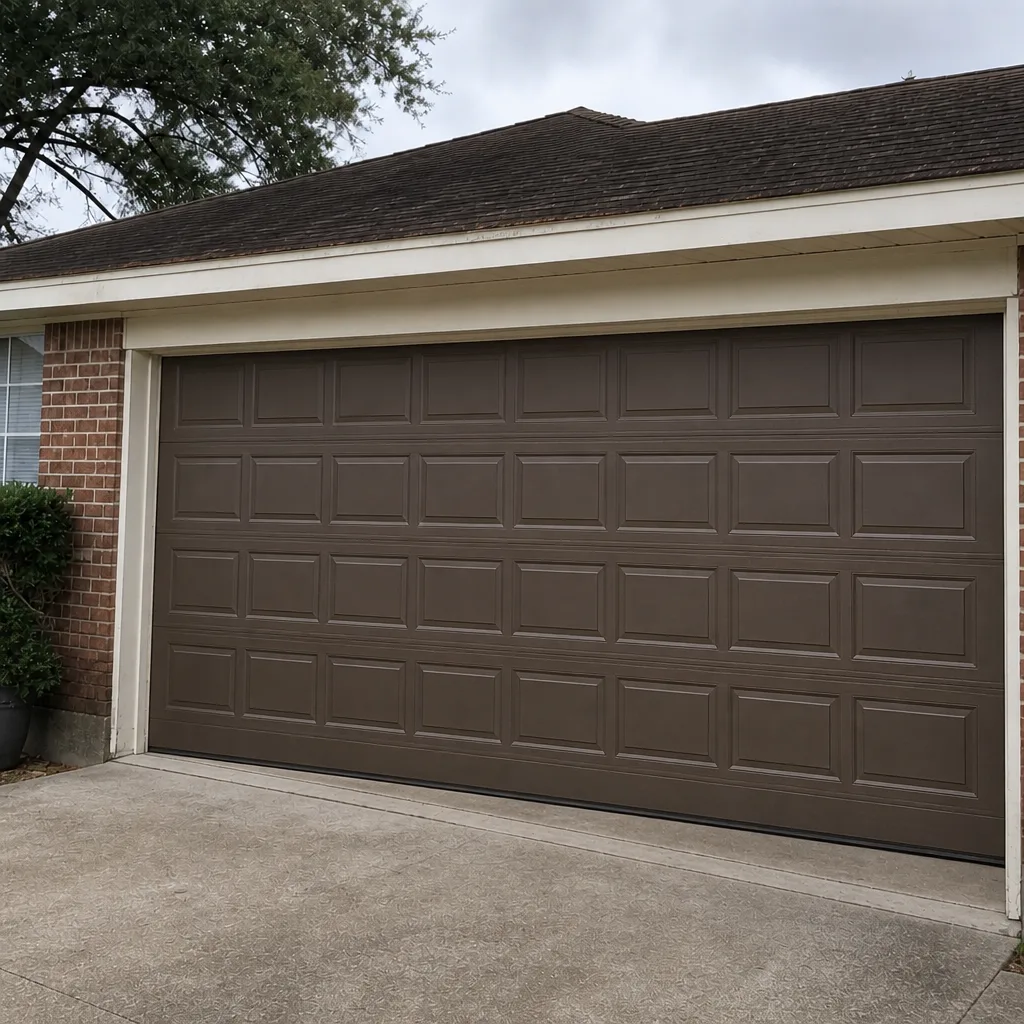
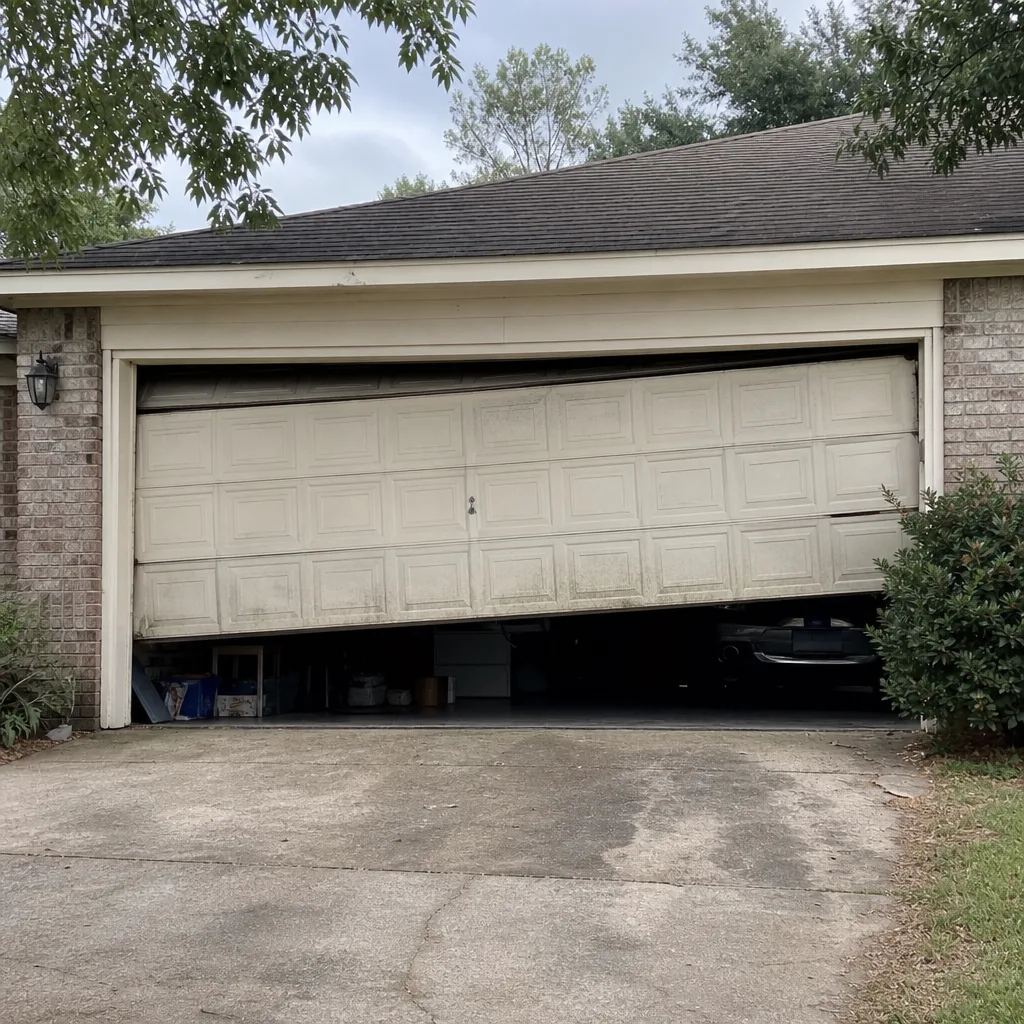
See the difference
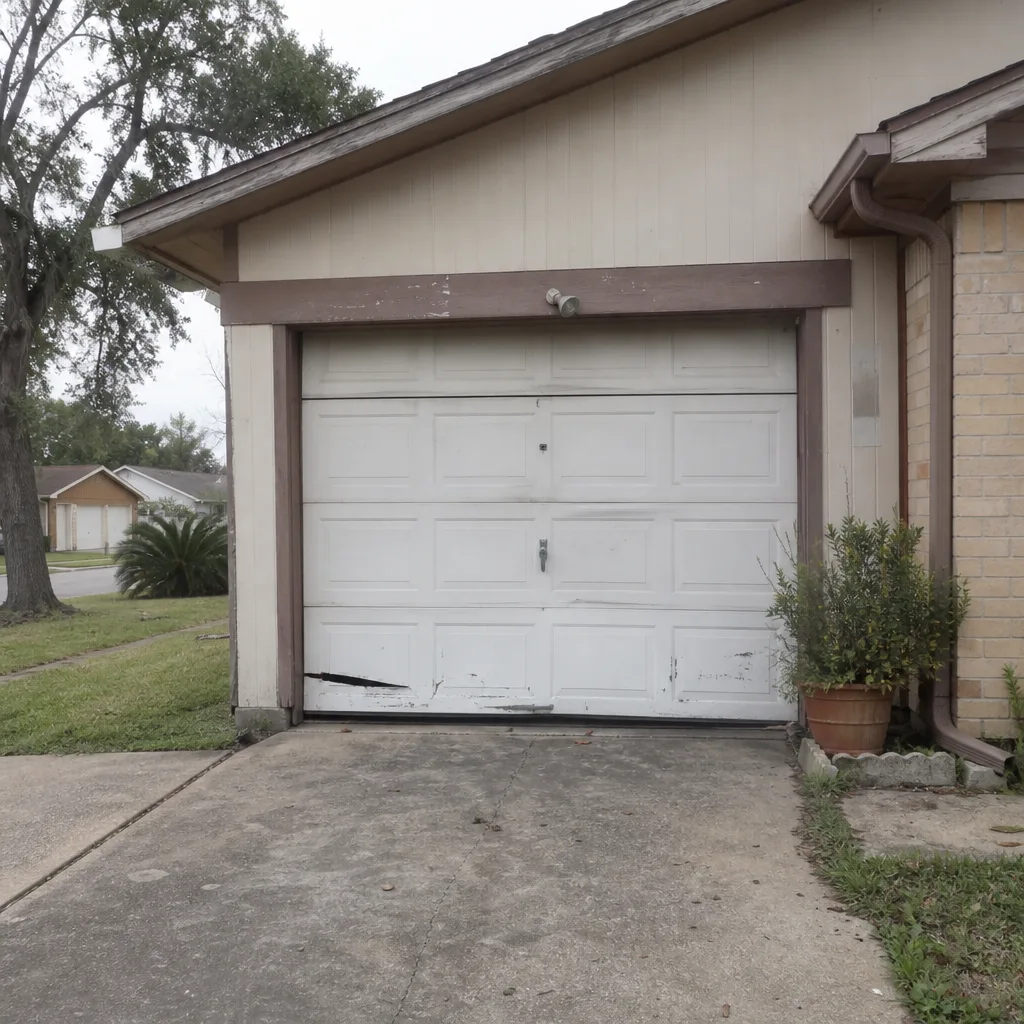 Before
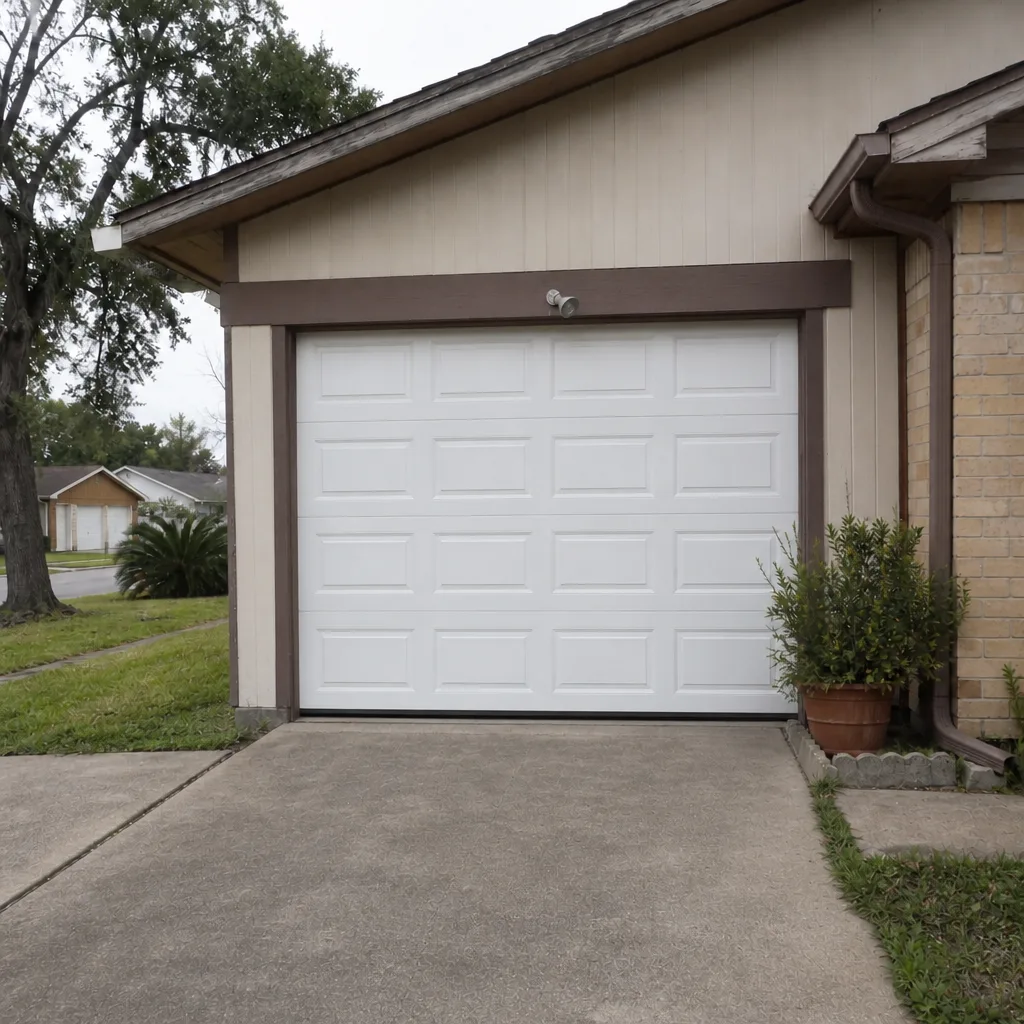 After
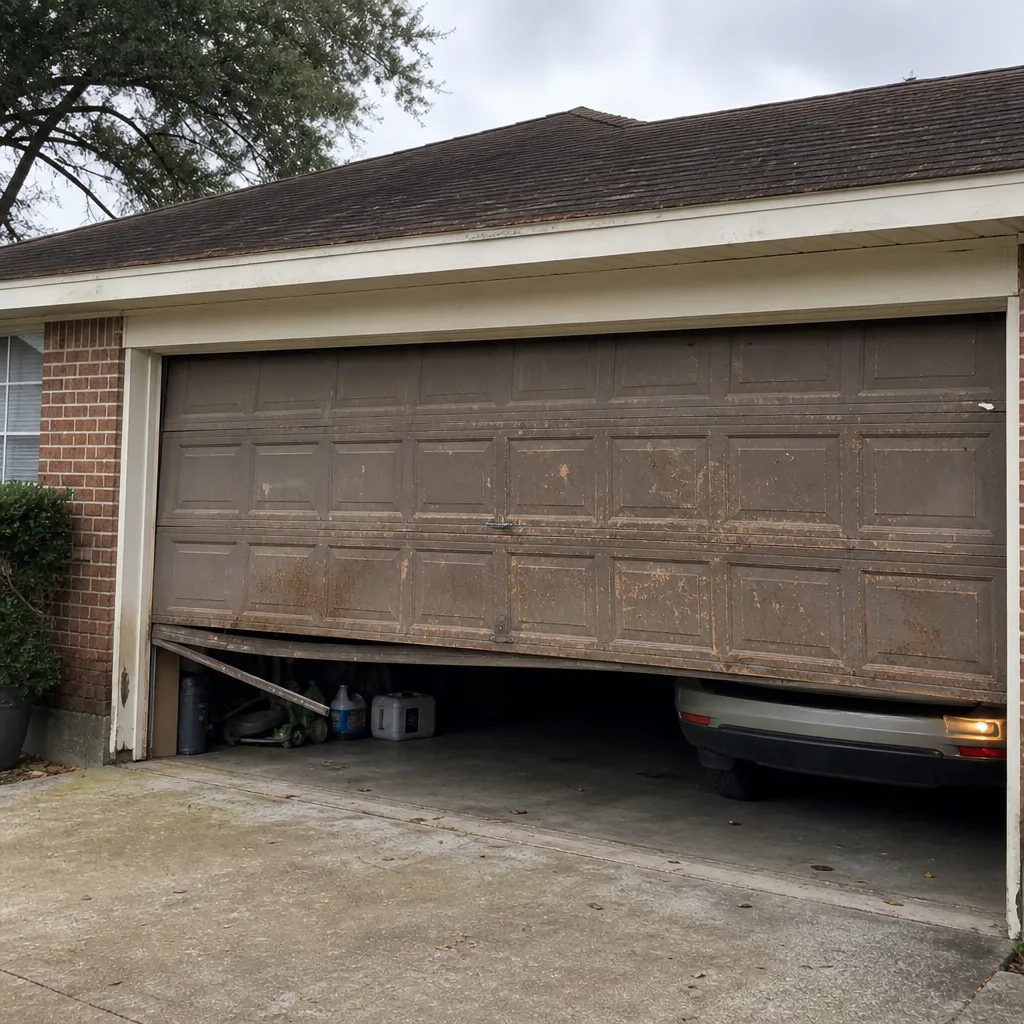 Before
 After
 Before
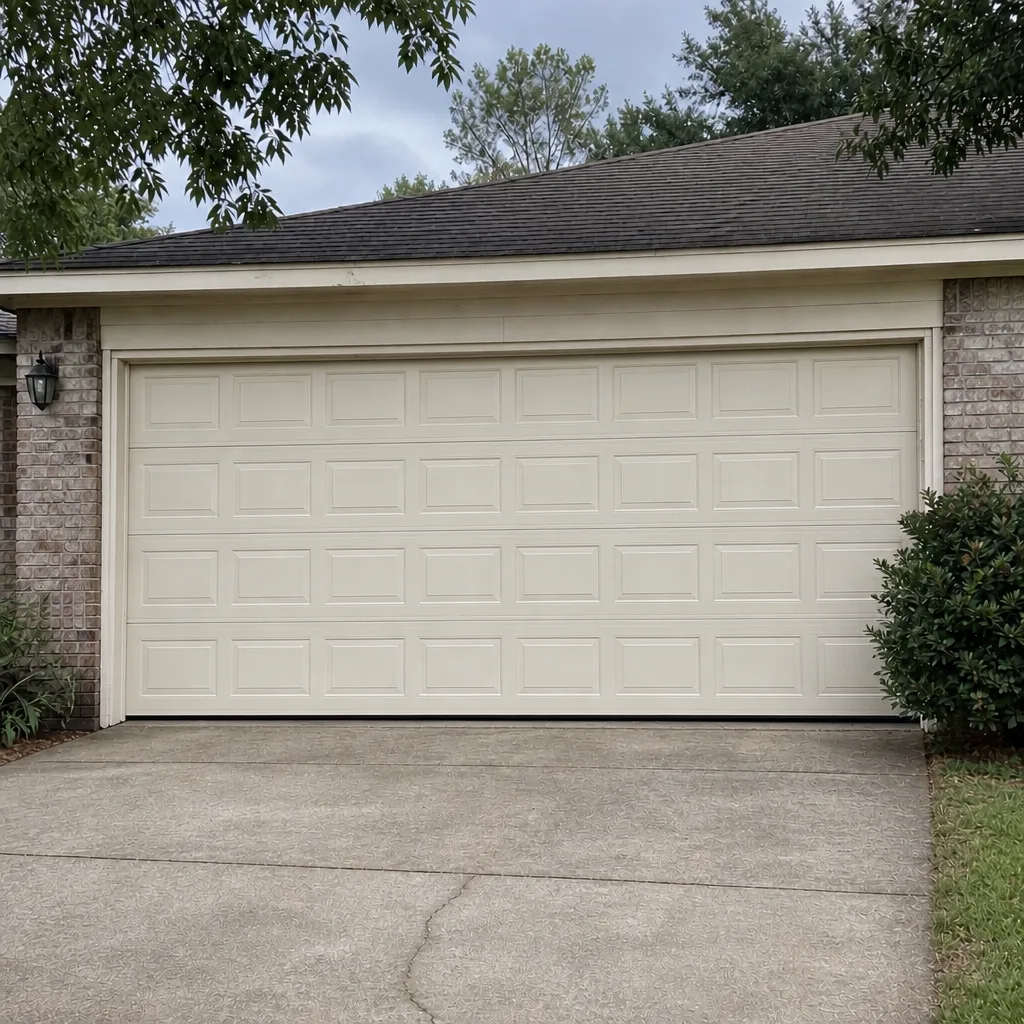 After
When to Call a Professional
Call a technician when the manual release won’t disengage or re-engage, when the door lifts hard or won’t hold a halfway position with the opener disconnected, when you hear a loud bang from the garage and the door won’t open, when the door is out of balance or crooked in its tracks, when the safety reverse fails the piece-of-wood test, or when your opener is failing to move the door or reversing for no reason. Add a call if you need an exterior release kit installed, a battery backup evaluated, or a wind-rated assessment done ahead of storm season. Spring Garage Door Repair Pros offers free estimates in Spring – call (855) 337-1360. We’ll tell you what’s wrong and quote it in writing before any work starts.
Frequently Asked Questions
Pull the manual release cord hanging from the trolley, then lift the door by hand. If your opener has a battery backup like a LiftMaster 8550WLB or Chamberlain B4545, you may not need to – the door will run on battery power. If you need to open the door from outside without power, an exterior emergency release kit is the practical solution. Call (855) 337-1360 if you want a release kit installed or your current release tested.
In realistic use – a few cycles to move a vehicle or let people in and out – a healthy battery typically carries the door through a day or two, and sometimes less if the battery is old or the door is heavy. When it depletes, the door reverts to manual release. Battery condition is a maintenance item, so check it before storm season. Call (855) 337-1360 for a free estimate if you’re not sure your backup is working.
Wind-rated doors carry a documented design pressure rating from testing, and the manufacturer’s literature for your model will confirm it. A standard door that survived past storms isn’t the same as a rated door. Find the door’s label and model number, then check the manufacturer’s specs. If you’re unsure, call (855) 337-1360 – we can assess your door and quote reinforcement or replacement in writing.
No. A torsion spring is wound to store enough energy to injure a trained technician if handled wrong, and the danger isn’t visible. Call a professional. Spring Garage Door Repair Pros offers free estimates in Spring – call (855) 337-1360 and we’ll quote the repair in writing before any work starts.
Check the door’s alignment against the frame, the tracks for bends, the hinges and rollers for damage, and the balance (with the opener disconnected) before running the opener. Then test the safety reverse with a piece of wood. If anything’s off, don’t run the door. Call (855) 337-1360 and we’ll inspect and quote any needed garage door repair.
It’s a good idea regardless. Battery backup gives you power when the grid is down, but if the battery depletes or the door itself is binding, the kit is still your way in from outside. It’s a simple retrofit and easy to test annually. Call (855) 337-1360 for a free estimate on installation.
The Bottom Line
Garage door emergency preparedness in Spring comes down to a handful of concrete actions: test your manual release from both sides, know whether your opener has working battery backup, confirm whether your door is actually wind-rated, keep a written record of your door’s model, opener, and spring specs, and inspect after storms before you run the door. The spring system is the component that most often fails, and it’s the one nobody should touch themselves. None of this is expensive to do in advance. It’s the alternative to a very expensive first evening of the storm season. If you want a professional walk-through before things turn, Spring Garage Door Repair Pros offers free estimates in Spring – call (855) 337-1360 and we’ll quote it in writing before any work starts.
Written by the team at Spring Garage Door Repair Pros.